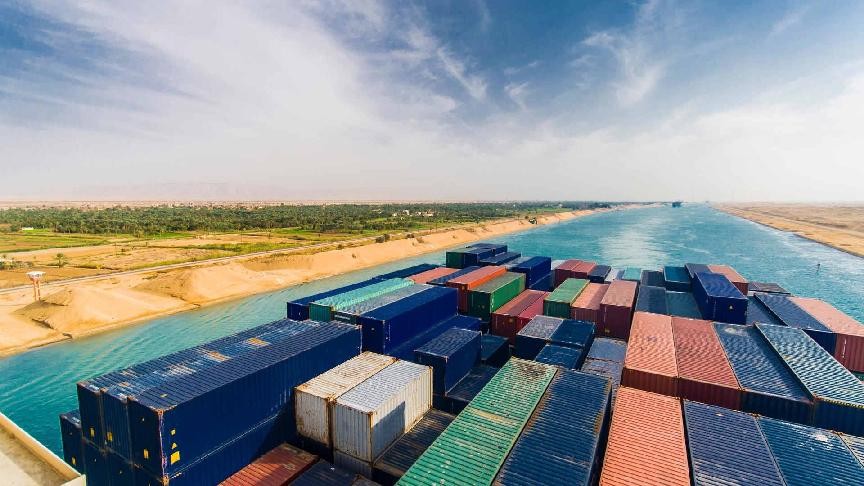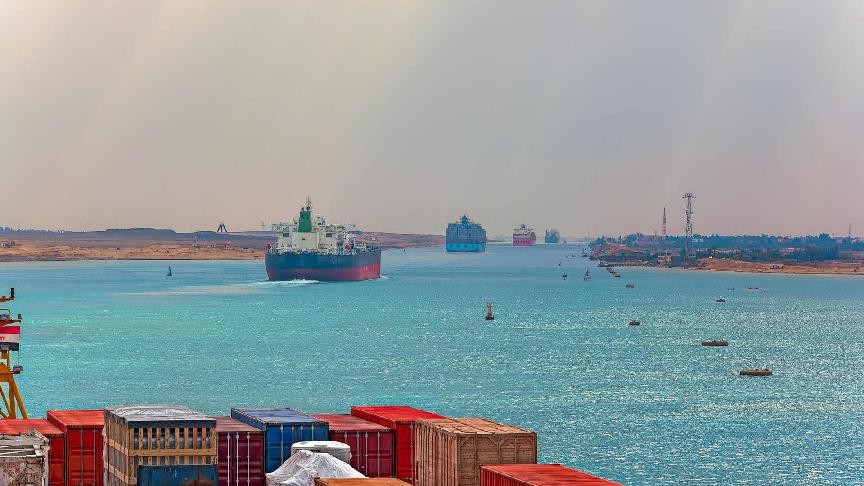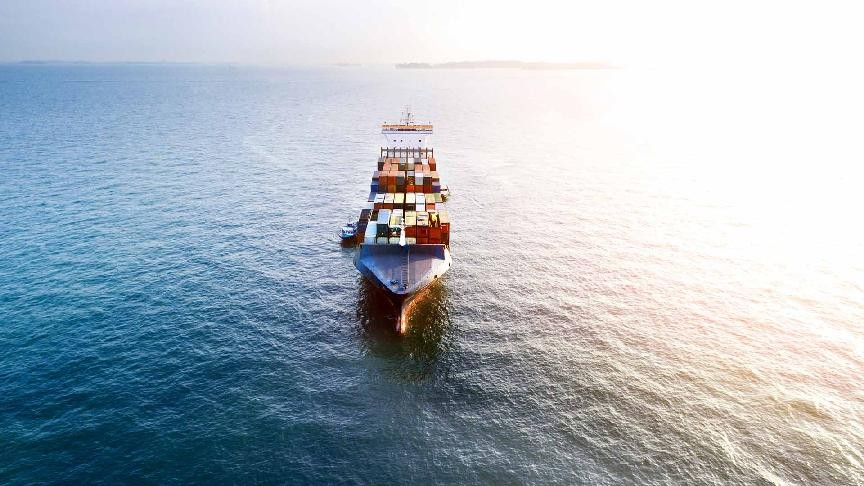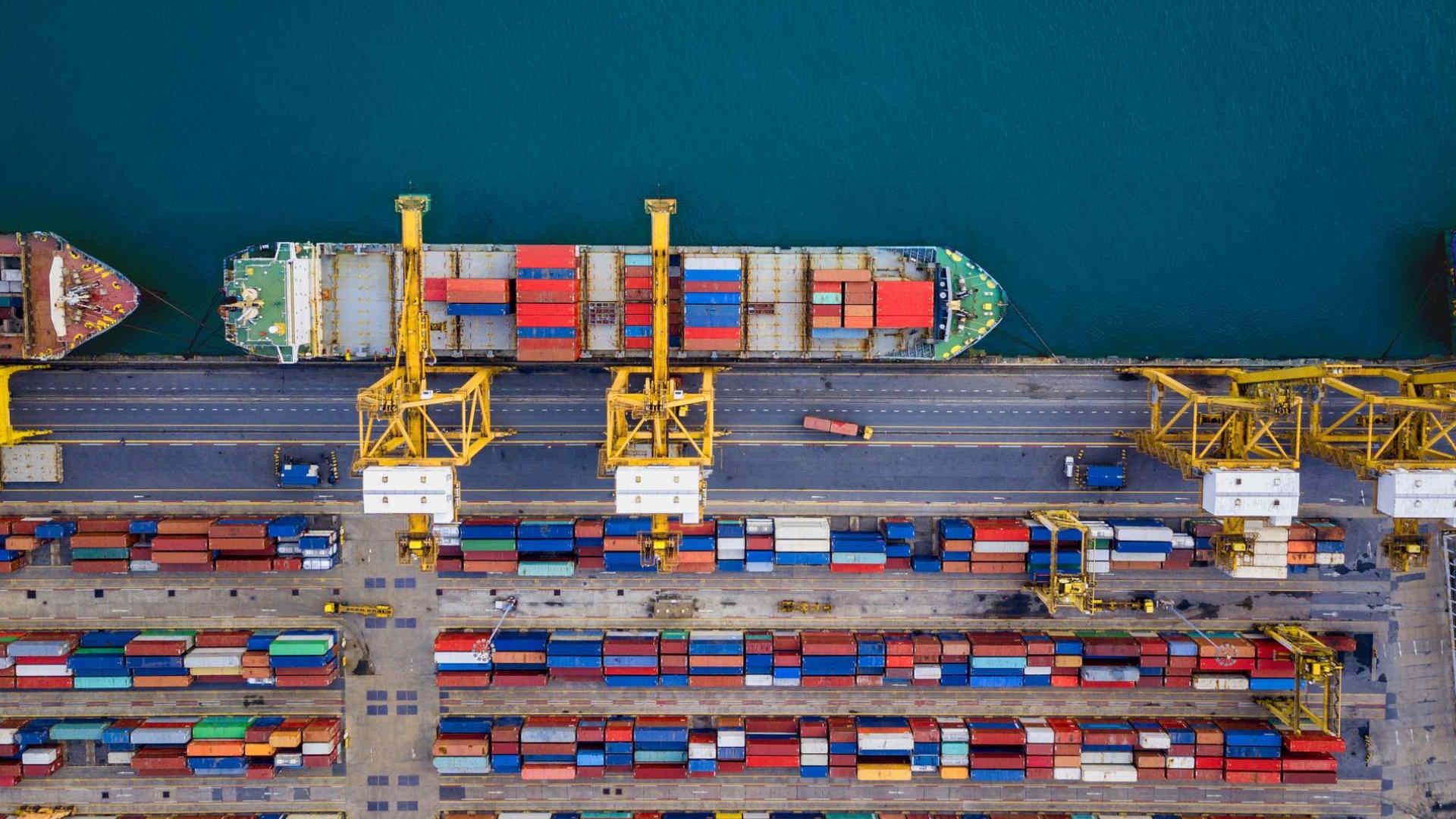

THE Red Sea and Hormuz crises have exposed the vulnerability of some of the world’s most important trade arteries. Yet they have also revealed an unexpected strength: the ability of container networks, ports and logistics providers to adapt at speed.
For much of the past three years, debate in the container port sector has centred on congestion, capacity shortages and vessel upsizing. The disruptions of 2026 may ultimately prove more consequential, forcing the largest reconfiguration of regional container networks in decades and reshaping how carriers, ports and cargo interests think about resilience.
Attacks in the Red Sea and the effective closure of the Strait of Hormuz triggered a rapid rerouting of cargo, altered transhipment patterns and pushed ports across the Middle East into handling traffic they were never designed to accommodate. The experience exposed weaknesses in global supply chains, but also demonstrated their ability to absorb shocks.
According to Vespucci Maritime chief executive Lars Jensen, the industry’s achievement was not avoiding disruption but adapting to it.
“The core fact remains: all the cargo is still moving,” he said. “It might be more expensive and it might take longer, but it is still moving.”
Jensen argues resilience is too often misunderstood as the ability to continue operating unchanged during a crisis. In reality, supply chains demonstrate resilience through adaptation.
“The combination of shipping lines, ports and terminals remains extraordinarily resilient,” he said. “Supply chains already are phenomenally resilient given all the curveballs that have been thrown at them.”
The Hormuz disruption offered a clear illustration. Within days, carriers rerouted cargo, alternative logistics corridors emerged and ports outside the Middle East Gulf expanded operations to handle displaced volumes.
“One of the very first movers was Fujairah,” Jensen said. “It was extremely quick in ramping up operational capabilities and handling massive flows that it was not used to.”
The speed of the response reflected lessons learned during both the pandemic and the Red Sea crisis. Operators are becoming increasingly accustomed to managing disruption as geopolitical shocks become more frequent.
“The world is changing and there are highly likely to be more curveballs that we cannot predict in the decade ahead,” Jensen said.
A new normal for Middle East trade
While Red Sea transits may eventually return to previous patterns, analysts believe the impact of the Hormuz disruption could prove more enduring.
According to Xeneta chief analyst Peter Sand, the closure has fundamentally changed perceptions of risk across the region.
“The Middle East has always been an area of elevated risk,” he said. “But now it is no longer just concerns about piracy or instability in the Gulf of Aden. Closure of Hormuz and renewed intensity around Bab el Mandeb mean operators will need to plan for a new normal.”
The key shift is psychological as much as operational. A scenario once considered highly improbable now has precedent.
“Especially with Hormuz, it was never done before. Now it’s on the table,” Sand said. “That changes how you think about risk and how you need to manage it.”
The crisis also forced ports into unfamiliar roles. Gateway facilities handled transhipment cargo while established hubs were required to function more like gateways.
“We have seen ports that were set up as gateways suddenly being used for transhipment and they couldn’t handle it,” Sand said. “Jeddah was built as a transhipment hub but increasingly needed to function as a gateway.”
Those strains exposed the limits of existing infrastructure and highlighted the need for greater flexibility in port design and operations. They have also accelerated investment discussions as terminal operators seek to diversify risk and reduce dependence on single gateways or trade corridors.
The cost of resilience
The challenge is that resilience comes at a price.
Ports can build spare capacity, terminal operators can maintain excess yard space and governments can develop alternative transport corridors. Yet the economics become far less attractive once disruption subsides.
That dilemma sits at the heart of the investment debate.
“Nobody wants to pay for resilience,” Jensen said.
During the pandemic, resilience became a boardroom priority. But as freight rates collapsed and vessel overcapacity emerged, that focus faded.