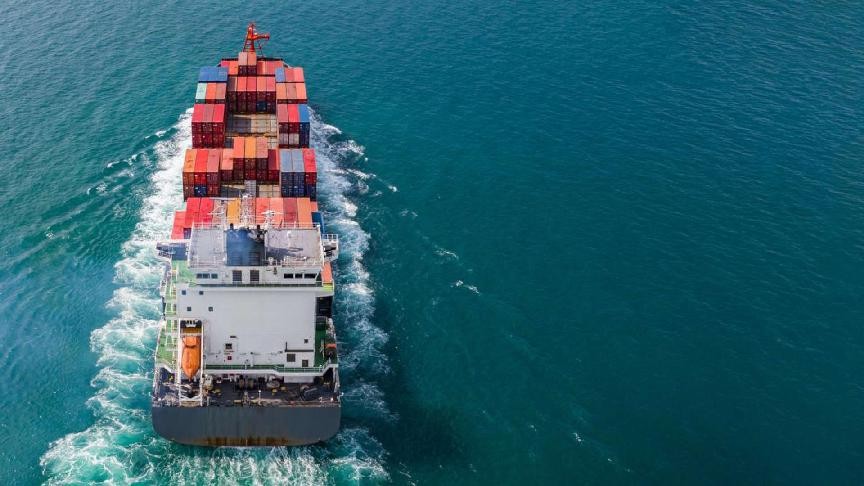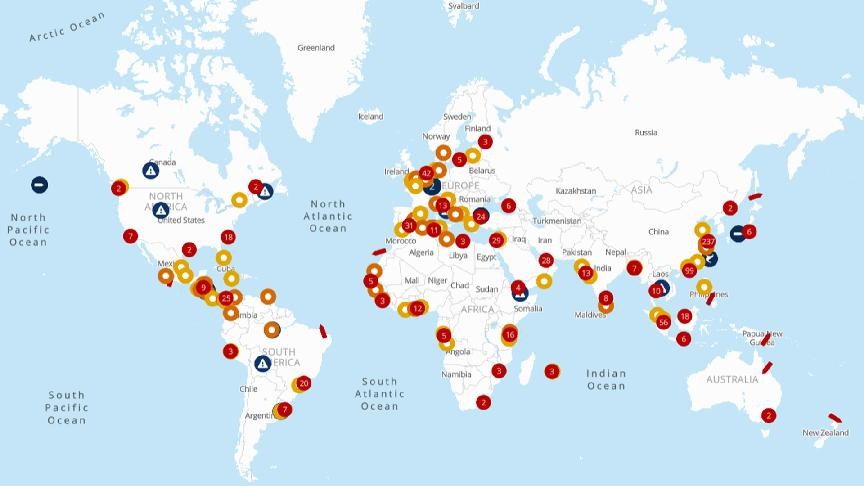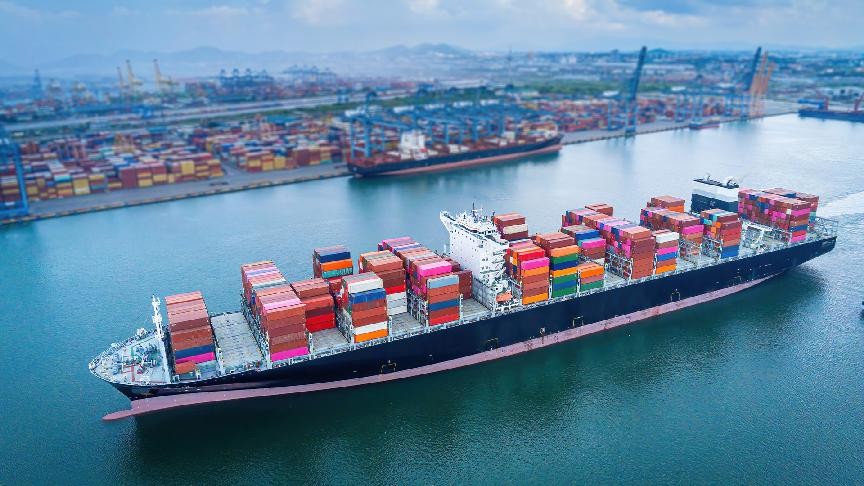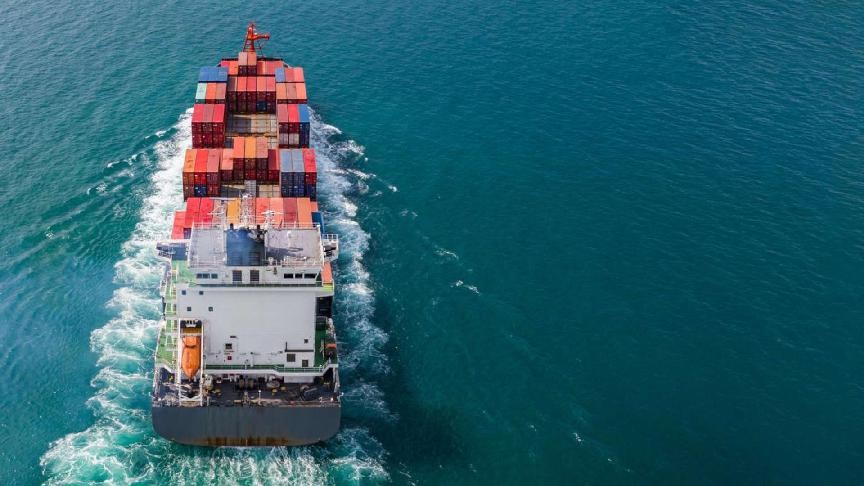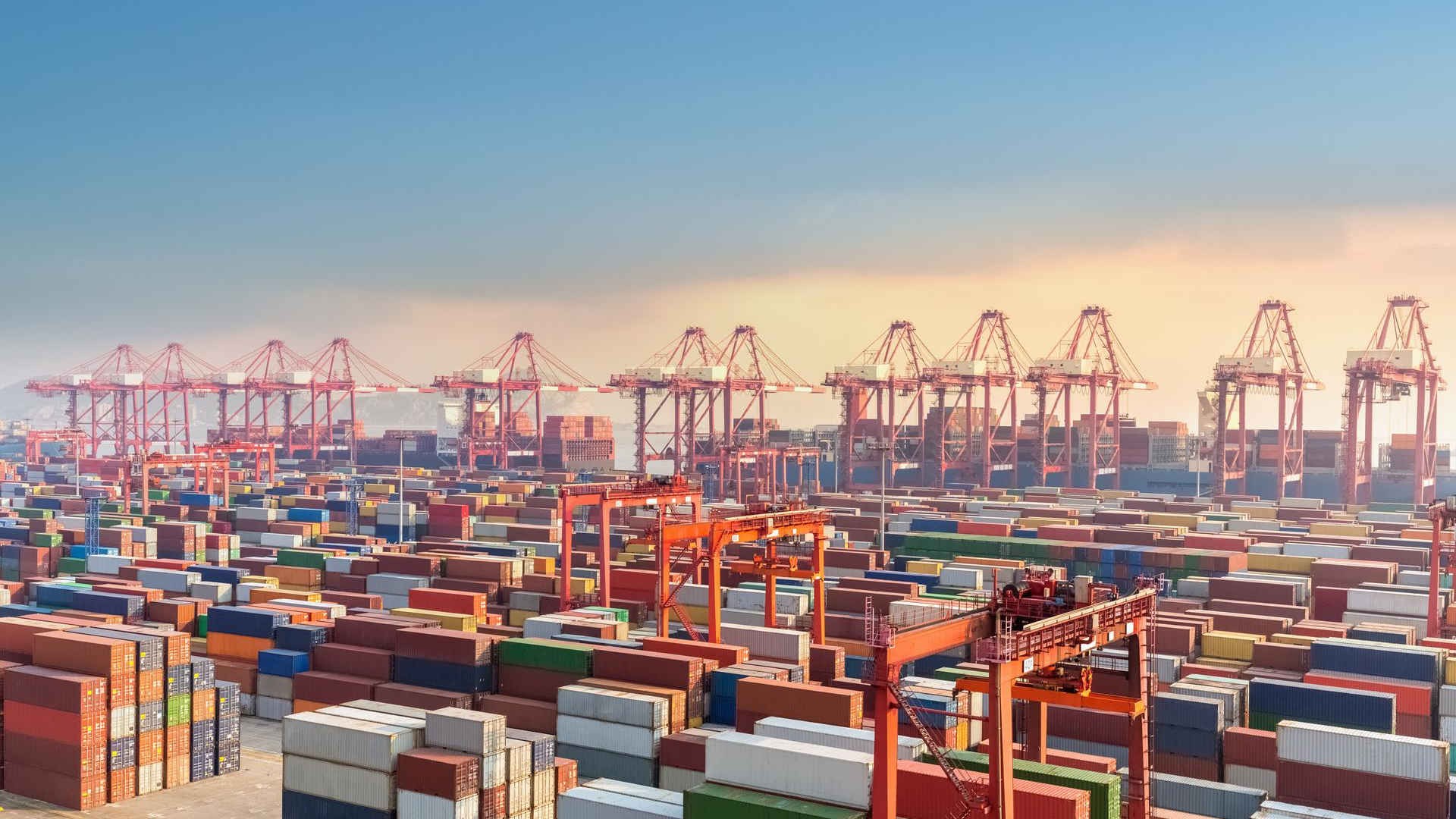

Congestion at Shanghai and Ningbo has intensified after consecutive typhoons caused temporary port closures and disrupted already strained liner networks. Waiting times at Shanghai have reached approximately six to eleven days, with services affected to varying degrees. Shippers can already see late vessel arrivals, shifting berth windows, port omissions and changes to rotations.
The impact is also reflected in weaker schedule reliability. Seaexplorer data shows that global reliability fell to 51.9% in July, while vessels arrived an average of around six days late. With another round of weather-related closures and vessel queues affecting East China in August, the next set of performance data could deteriorate further.
What to expect in the coming weeks
A quick return to normal operations is unlikely. Reopening terminals is only the first step: accumulated vessel queues, ships arriving outside their planned windows and high yard utilisation can prolong disruption for several weeks. Further adverse weather would add new delays before the existing backlog is cleared.
Carriers are adjusting vessel speeds and port rotations and using terminal partnerships to reduce the impact. These measures may stabilise individual services, but they can also shift delays to subsequent ports and regions. Shippers should therefore expect schedule changes to extend beyond Shanghai and Ningbo across Asian and connecting global services.
Longer-term pressure is becoming structural
Current disruption may be a preview of a broader challenge. A substantial containership delivery pipeline will continue to introduce larger vessels across main and secondary trades through 2027 and 2028.
As these ships cascade into more routes, ports will need to handle larger cargo exchanges within shorter periods. The result could be more frequent “burst congestion”, where delayed vessels arrive in clusters and create sharp peaks in berth, yard, truck and rail demand.
Years of efficiency improvements have allowed terminals to operate at higher utilisation, but reduced spare capacity means even smaller disruptions can now spread quickly through the wider logistics chain.
Current warning signs include rising anchorage volumes, extended berth waits, repeated gate restrictions, short-notice rotation changes and increasing gaps between estimated and actual arrival times. Building additional lead time into supply plans, monitoring terminal-level updates and preparing alternative routings or inventory buffers will remain important where disruption could affect critical cargo flows