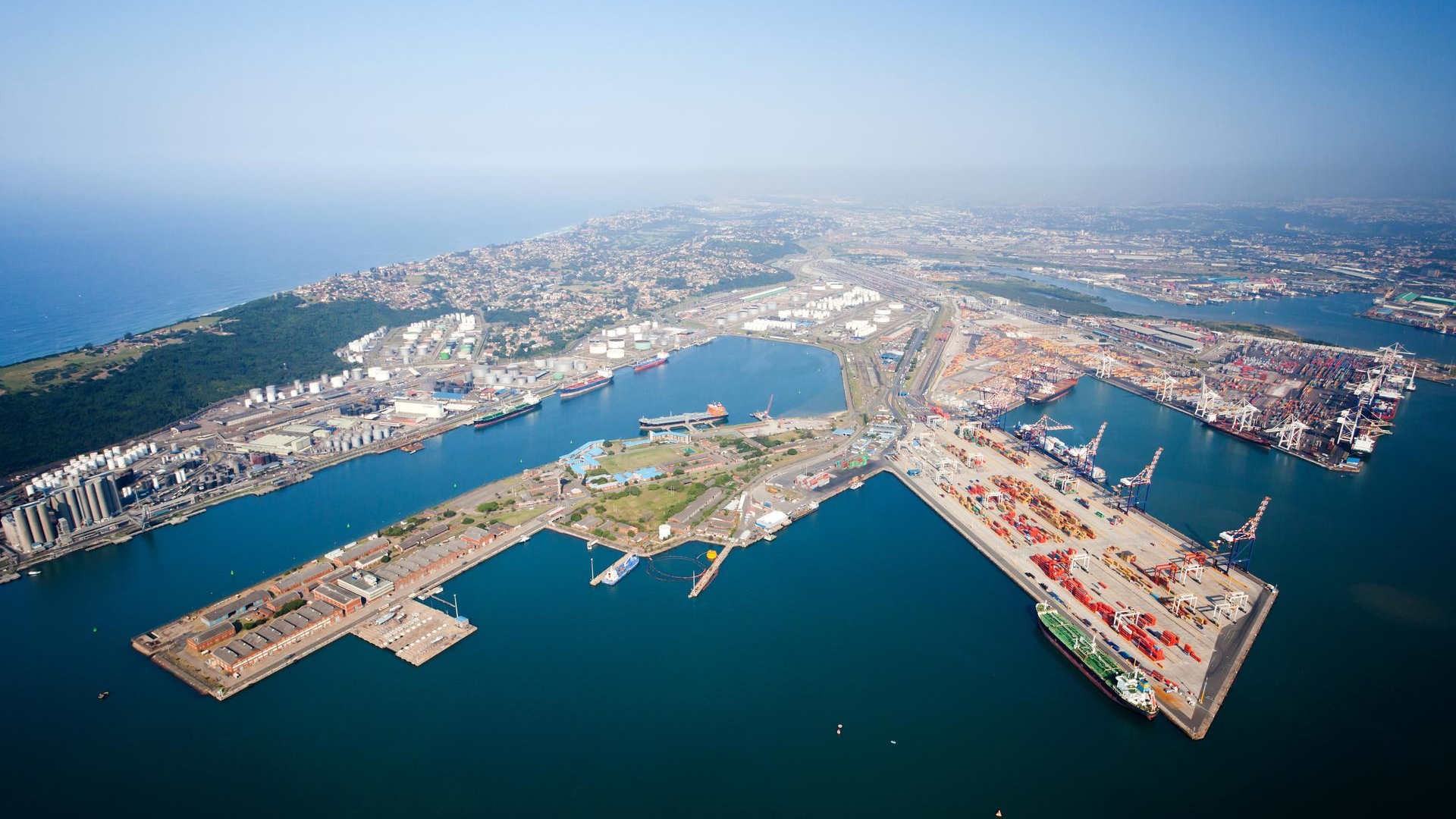

Severe congestion continues to disrupt operations at South Africa's Durban container terminals, with lengthy berth delays, equipment constraints and yard pressure affecting vessel movements at both Pier 2 and Pier 1.
At Durban Container Terminal Pier 2, reported berth delays range from roughly three days to more than a month depending on the service.
Equipment failures, restricted straddle-carrier availability, congested stacks and the terminal’s system transition are contributing to the backlog. Waterside resources are also being reduced to prioritise yard clearance, while yard occupancy has been reported at 56%.
Meanwhile, Terminal Pier 1 is recovering from an extended period of congestion but continues to record waiting times of around one to more than two weeks.
Two cranes have remained unavailable for a prolonged period, with additional crane failures and weather disruption adding to operational pressures.
According to information from Chinese carrier COSCO, the liner has adjusted some of its Durban calls while congestion persists. Certain operations are being divided between separate visits, with containers discharged first and loading conducted during a later call.
Some vessels are also being directed to Durban’s multipurpose terminal, including an ad hoc call covering both discharge and loading. Other calls have been scheduled for discharge only, with at least one given priority discharge status.
Pier 1 delays have also led to a revised South African rotation for the ONE Resilience on Maersk’s SAECS service.
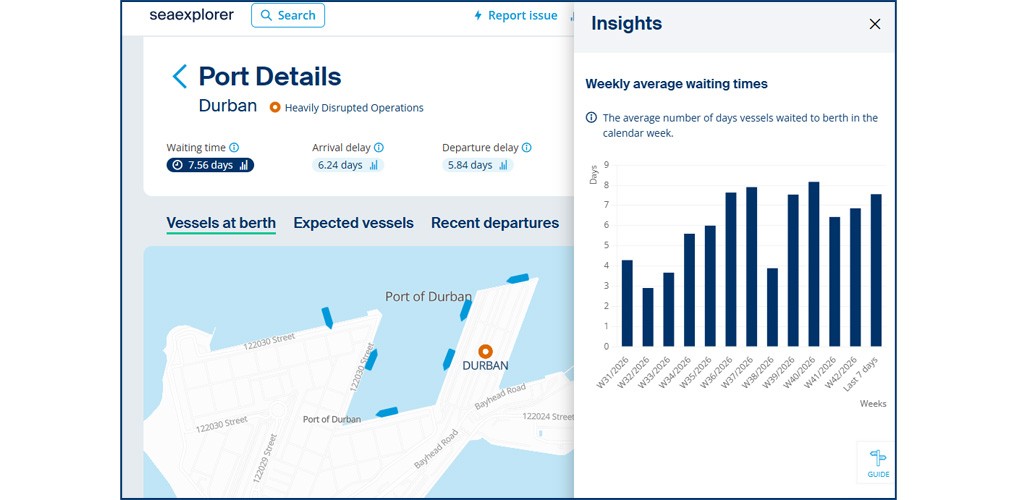
During week 43, Durban’s average vessel port call neared eight days. On 21 October, the average delay for vessel arrivals was approximately six days, according to seaexplorer data. Vessel departure delays reached 5.8 days.
Road conditions on the Johannesburg-Durban corridor remained comparatively stable, although average transit time increased by 19 minutes to 14 hours.
Heavy vehicle dwell time around the Durban port precinct rose by nine minutes to two hours and 16 minutes. The corridor was classified as “at risk” due to higher vessel anchorage and berth times despite relatively steady road transit.
For now, Durban remains under sustained operational pressure, with prolonged vessel waiting and berth times continuing to affect port calls. Carrier adjustments underline the ongoing efforts to manage schedules while congestion persists.
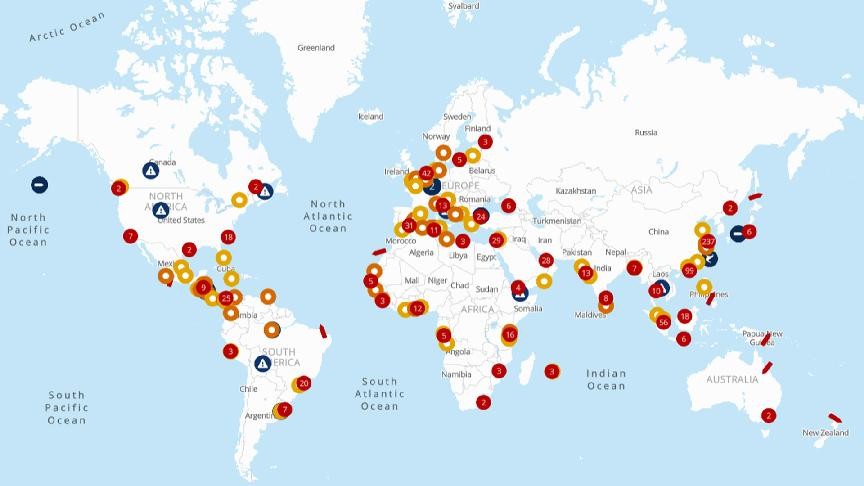
For the latest port and vessel statuses or situation updates, please refer to the seaexplorer alertmap.