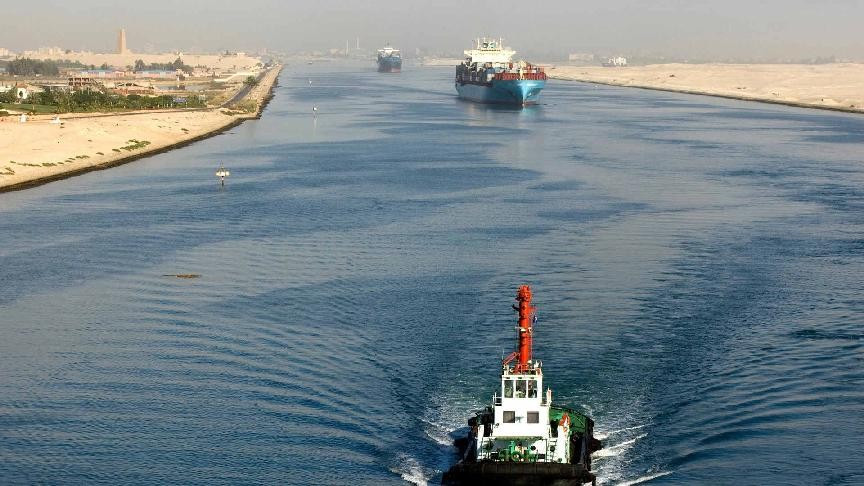

The sudden diversion of containerised cargo from sea to land in the aftermath of the Hormuz closure is straining road and rail networks across the Middle East.
The sea freight capacity, which was not designed for large, cross‑country trucking volumes, is currently under mounting pressure as carriers and forwarders shift flows to keep goods moving.
Growing pressure on regional land networks
While road freight remains largely operational, reports highlight that customs backlogs and limited trucking supply are lengthening clearance times.
According to the Journal of Commerce, corridors connecting Oman, Fujairah and Saudi Arabia are experiencing a shortage of trucks, tightening timelines for stranded and in‑transit cargo seeking alternatives to ocean and air.
Meanwhile, congestion is building at regional gateways handling diverted vessels.
Ships calling at Khor Fakkan face delays exceeding 10 days, with long queues for trucks and high demand pushing up transit times and costs.
Port operators are adding gate lanes and extending hours, but clearance times have increased.
Diversions to alternative ports and adjusted carrier routings
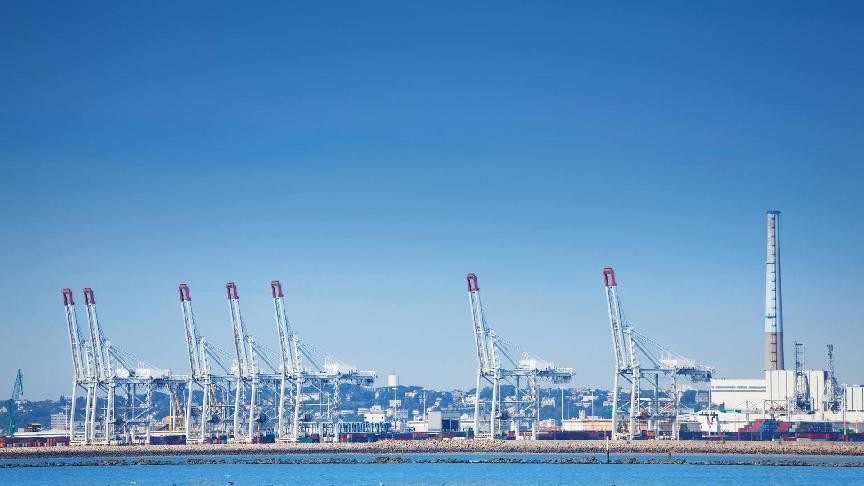
With commercial shipping unable to pass through the Strait of Hormuz, containers bound for Gulf markets are being offloaded at strategic entry points outside the waterway, notably Khor Fakkan and Fujairah in the United Arab Emirates and Sohar in Oman.
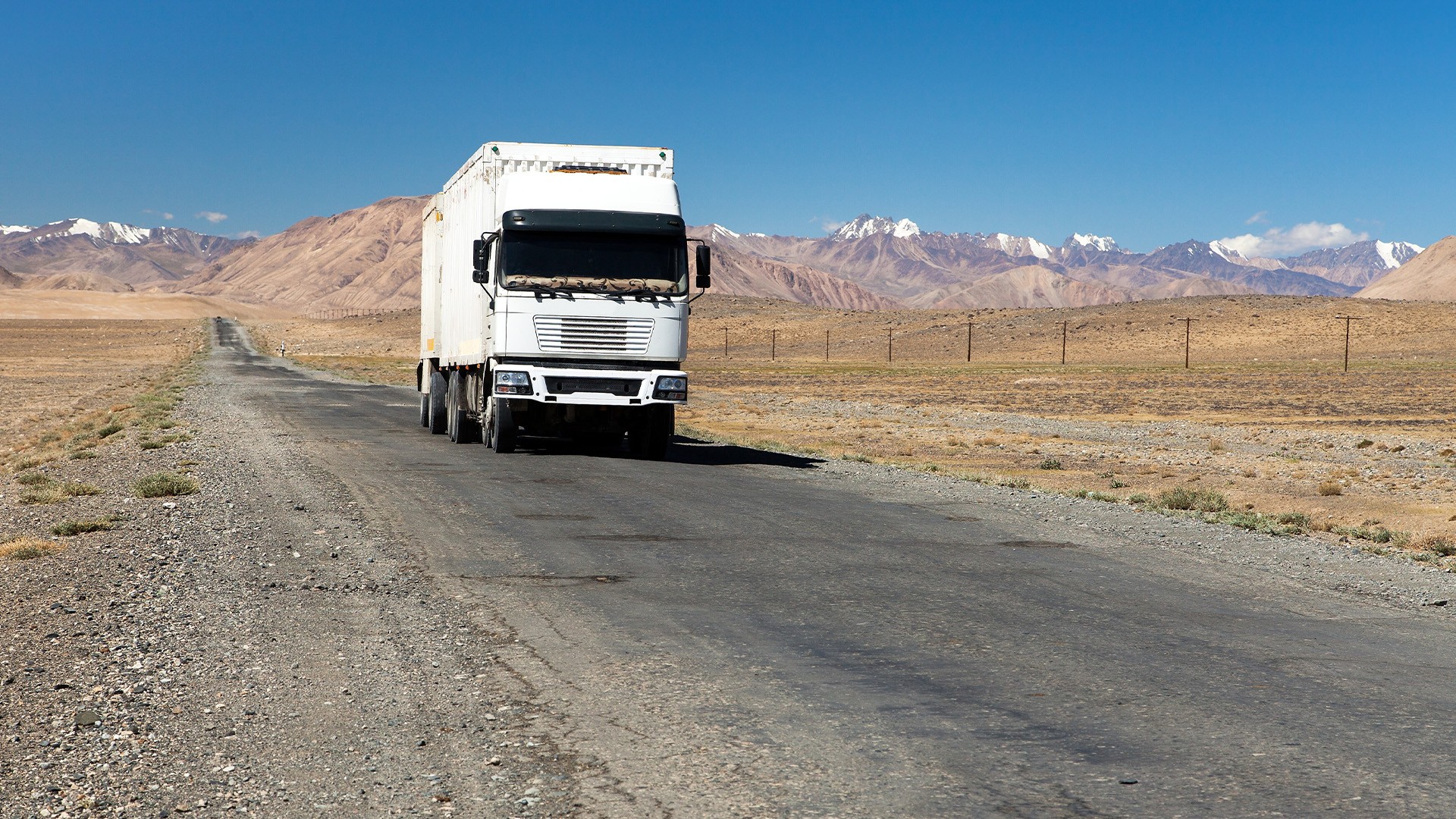
From there, cargo is moving inland by truck and, where available, short‑sea feeder links.
To sustain flows, carriers have introduced alternative routings that combine regional road and maritime legs connecting the United Arab Emirates, Saudi Arabia, Oman, Iraq, Qatar, Bahrain, Kuwait and Jordan.
Logistics corridors now link hubs in the United Arab Emirates and other Arabian Gulf markets via ports such as Khor Fakkan, Fujairah, Sohar and the Red Sea gateway of Jeddah, enabling onward delivery and connections to the Mediterranean and Asia that avoid exposure to the Strait of Hormuz.
Operational models vary. Some carriers have designated an “end of voyage” for containers initially destined for Persian Gulf ports, transferring responsibility to cargo owners upon offload. Others are offering choices that include temporary storage, return to origin, or redirection to alternate ports for inland forwarding.
For eastbound flows, Salalah and Khor Fakkan are being used as discharge points before trucking into the Gulf; for Europe‑origin cargo, Jeddah is a focus for overland moves across the Arabian Peninsula.
Constraints on time‑sensitive cargo and expanding trucking operations
The shift has significant implications for time‑sensitive goods.
Import‑dependent Gulf markets are working to secure routes for food, medicines and factory supplies.
One example involves approximately 5,000 metric tonnes of fruit originally bound for Dubai, now facing diversion challenges because phytosanitary documentation is tied to the initial destination, alongside a hefty maritime surcharge imposed in the first days of the disruption.
Overland networks are scaling to meet demand. One regional operator plans to raise daily truck moves from 60 to 500.
Even so, cross‑border shipments are slowed by additional checks, and heavier‑than‑normal loads are taking longer to clear. Prices on selected routes, including those into Saudi Arabia, have risen due to higher fuel costs, added complexity and strong demand.
Stakeholders across the region, carriers, forwarders and transport providers, are adapting service offerings at speed. However, sustained congestion, truck shortages and regulatory frictions continue to extend transit times and complicate delivery planning for essential imports.
India absorbs Far East-originated cargo
Another issue emerges for cargo coming from China and Southeast Asia.
The Journal of Commerce reports that ocean carriers are increasingly turning to Indian ports as safe interim hubs to discharge container loads originally destined for Middle Eastern gateways.
With substantial volumes stranded due to regional conflict, operators are diverting vessels toward Indian terminals in search of available yard space and operational stability. These include the ports of Nhava Sheva, Mundra, Pipavav and Kandla.
This shift is prompting closer coordination between port authorities and customs bodies to allocate additional storage capacity and manage the influx of diverted containers efficiently.
The redirection of cargo is also reshaping regional supply chains as Indian terminals step in to absorb unexpected surges in volume without significant disruption.
Recent infrastructure expansions at key ports have enabled operators to handle larger vessel calls, provide reefer plug‑ins, and maintain fluidity on the quayside.
As more carriers evaluate additional discharge points across the Indian coastline, the country’s role as a strategic buffer in times of geopolitical tension is becoming increasingly evident.
Demand for Asia-Europe alternative routes increases
Market participants report growing interest in road, rail, and truck‑air combinations, supported by improving infrastructure and smoother border procedures across key corridors.
Transit times by truck and rail are increasingly competitive, prompting shippers to reassess their modal choices.
Industry feedback also highlights that road transport now offers greater loading efficiency and, in some cases, more favourable pallet‑level costs compared with rail, reinforcing the shift toward flexible, cross‑border land solutions.