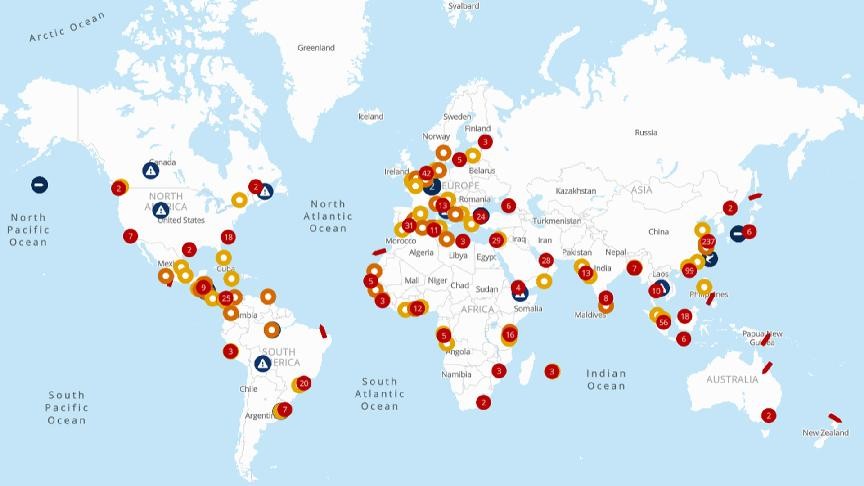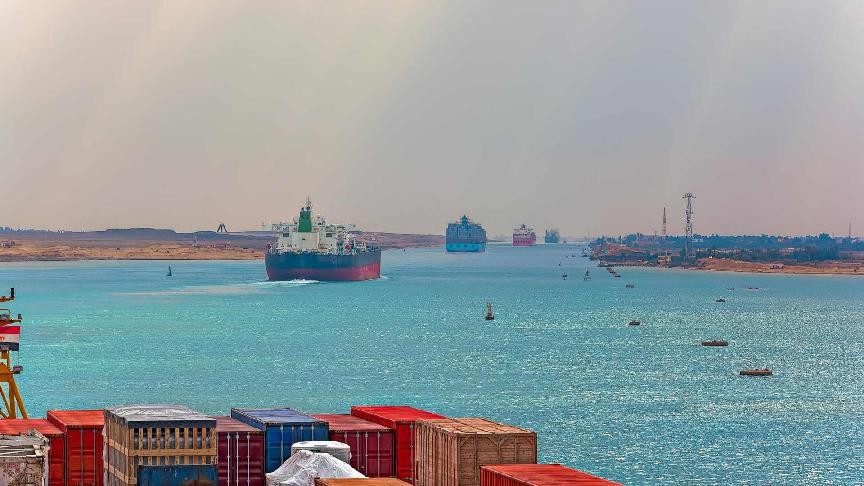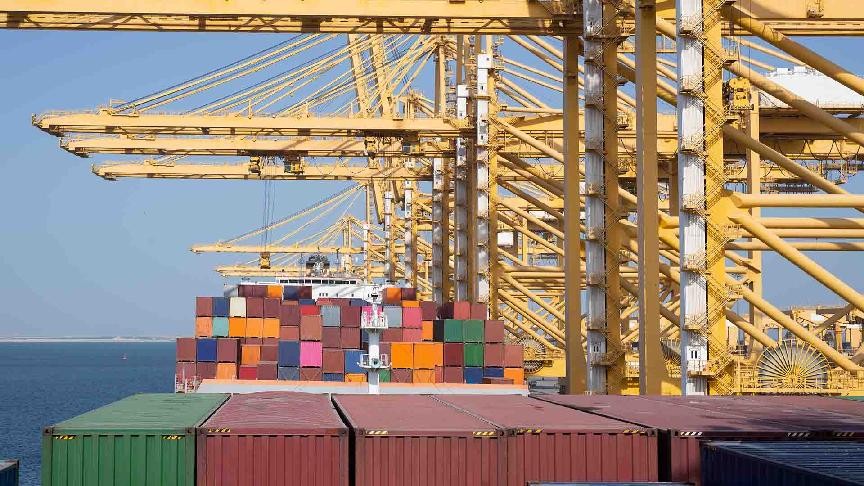

Port congestion is no longer just a temporary operational disruption. New Analysis from Sea-Intelligence, reported by Lloyd’s List and Splash 24/7, indicates that delays are currently absorbing around 5% of the global container fleet, equal to approximately 1.7m TEU of capacity that is effectively unavailable to shippers.
That volume is large enough to compare with one of the world’s leading container carriers. Lloyd’s List noted that 1.7m TEU would rank as the world’s eighth-largest carrier by capacity, while Splash 24/7 described the impact as approaching the scale of Evergreen’s entire fleet.
Compared with the more stable 2011–2019 period, when delays routinely absorbed around 2.2% of global fleet capacity, today’s 5% absorption represents a significant structural shift. Even after accounting for normal disruption, around 1m TEU of additional capacity is being swallowed by delays, according to Splash 24/7’s summary of the Sea-Intelligence findings.
The articles point to a wider change in market dynamics: the binding constraint is increasingly shifting from vessel supply to landside infrastructure. Strong headhaul growth from Asia, more imbalanced trade flows, and the need to reposition empty containers are putting additional pressure on ports, terminals and inland networks.
JOC reported that cumulative headhaul growth from Asia has risen by around 25% since 2024, while global terminal capacity has increased by only around 10% over the same period. This imbalance helps explain why congestion is persisting across multiple geographies and why capacity additions on the water are not translating directly into effective supply for customers.
The congestion picture has also been worsened by weather and geopolitical disruption. Lloyd’s List cited Drewry data showing significant capacity waiting outside Chinese ports after Typhoon Dolphin, while geopolitical tensions and security risks in the Red Sea and Bab al-Mandab have continued to affect routings and port flows.
For shippers, the key message is that headline vessel capacity is becoming a less reliable indicator of available supply. With 1.7m TEU currently tied up by congestion, effective capacity remains constrained even as carriers continue to operate large fleets. This means port performance, inland connectivity and disruption resilience are likely to play an increasingly important role in freight rate volatility and schedule planning.