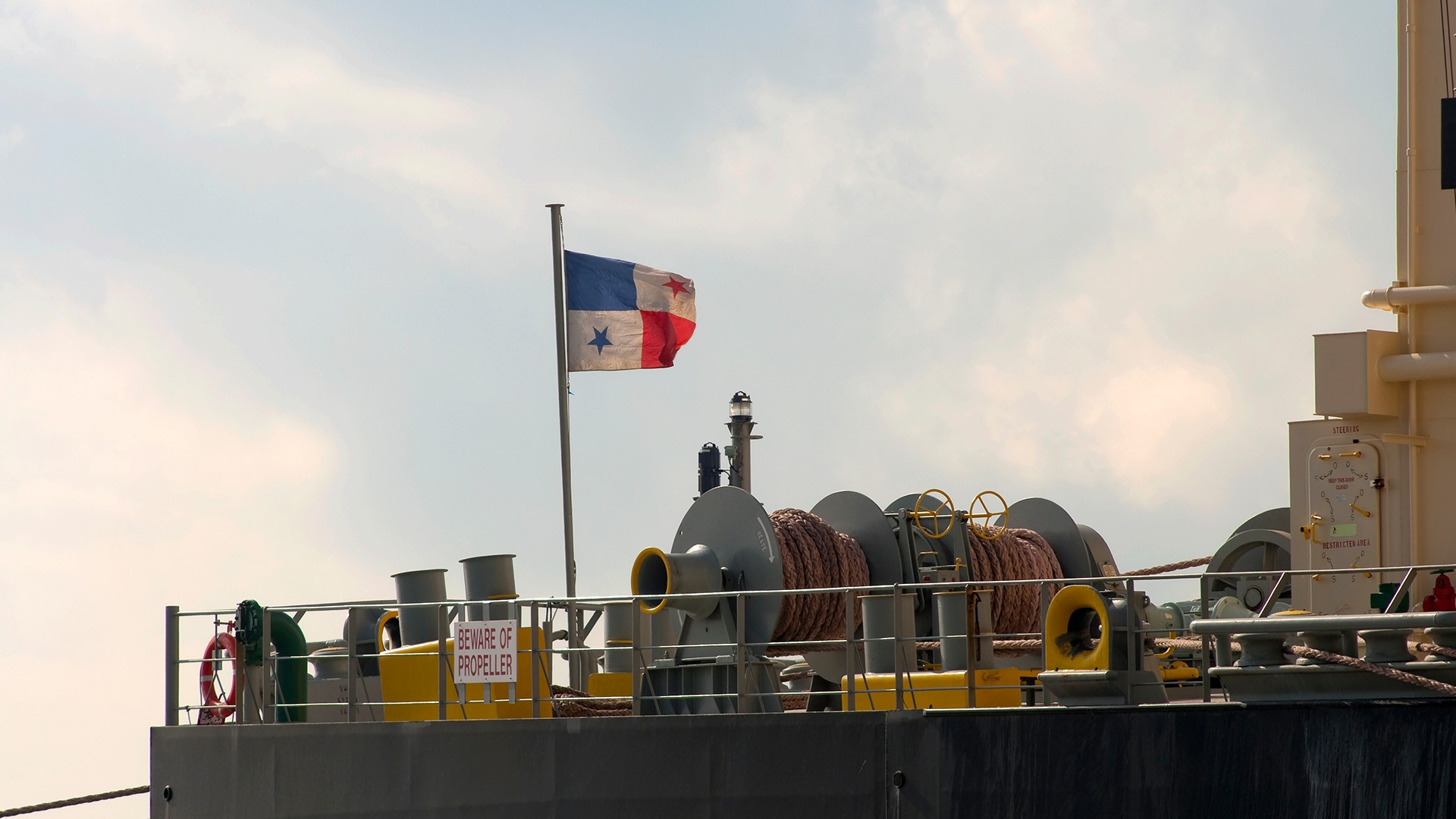

THE geopolitical storm engulfing the Panama ship registry risks worsening, as vessels flee the flag at a record pace while Washington threatens to investigate Beijing’s detention campaign, raising the risk of wider trade tensions and disruption to global shipping.
The US Federal Maritime Commission chairperson Laura DiBella said on July 7 that she remained concerned about China’s “weaponisation of port state control inspections” against Panama-flagged ships, warning that the agency could launch a probe that may lead to remedial measures against Chinese-controlled carriers in US trades.
“Panama-flagged ships carry a meaningful share of US trade, and unwarranted, retaliatory vessel detentions could result in significant commercial and strategic consequences to US shipping,” DiBella said. “The world cannot simply normalise these ongoing detentions — this would create a highly negative precedent for the global supply chain.”
Vespucci Maritime chief executive Lars Jensen warned that the FMC’s threat could add fuel to an already volatile situation, noting that the suspension of punitive port fees imposed by both Washington and Beijing on each other’s vessels is set to expire in November and could be reimposed if trade negotiations break down.
“We already have the million-dollar fees on Chinese vessels set to come into force four months from now, as well as the associated Chinese tit-for-tat,” Jensen wrote in a LinkedIn post on Wednesday. “This could now potentially escalate with more supply chain turmoil as a consequence.”
The warning comes as vessels continue to flee the Panama registry at an accelerating pace.
A total of 264 cargo ships above 10,000 dwt reflagged from Panama in June, up 47% from 180 in May, according to preliminary Lloyd’s List Intelligence data. The exodus first became evident in April, when 78 ships left — more than double the first-quarter average of 32.
According to Drewry, the Panama-flagged fleet shrank by 4.8% by gross tonnage in the first half of 2026 compared with the end of 2025, marking the steepest decline since records began in 2006.
Chinese interests were the largest known owner group to leave, with 70 vessels departing in June — 50 linked to mainland China and 20 to Hong Kong. Japanese owners accounted for 20 vessels, followed by Singapore with 16 and Greece 10.
The Bahamas emerged as the top destination for reflagged vessels, taking 73 ships, followed by the Marshall Islands with 62. Vanuatu received 28, Liberia 27 and Guinea-Bissau 17.
A senior executive at a leading convenient flag state administration told Lloyd’s List that many vessels switching to the Bahamas registry are doing so partly because Bahamas-flagged ships also enjoy preferential tonnage tax rates at Chinese ports, similar to Panama.
But the bigger concern for Panama may come at year-end, the executive said, when the Tokyo MOU — the primary port state control organisation in the Asia-Pacific region — reviews its flag state performance rankings based on full-year detention data.
A wave of detentions at Chinese ports could see Panama slip from the white list to the grey list, further eroding the flag’s attractiveness to shipowners.
Signs of détente?
There are tentative signs that Beijing and Panama may be seeking to de-escalate tensions.
Chinese detentions of Panama-flagged vessels fell 54% to 64 in June from 140 in May, according to Tokyo MOU data. The decline came shortly before Panama’s foreign ministry announced on July 2 that a national delegation will visit China from July 16 to 18 to discuss renewing the bilateral maritime transport agreement and hold technical exchanges on port state control.
The timing suggests both sides may be looking to ease the standoff ahead of the talks. However, Beijing’s enforcement pressure remains elevated overall, with 25% of Panama-flagged ships inspected at Chinese ports detained in June, far above the 5.9% monthly average recorded in 2025.
Jayendu Krishna, director and head at Drewry, said China’s campaign and the resulting decline in the registry are “an interplay of politics, nothing else”.
The speed of the decline is “a bit surprising” given Panama’s status as the world’s second-largest and most widely accepted flag, Krishna said. Owners are shifting to more “politically neutral” flags because many vessels need to call at China, which controls over 50% of global maritime freight.
Beijing’s apparent easing in June looks “temporary”, especially given that underlying US-China tensions remain unresolved, he added. “It is really just a matter of time before this whole issue will pop up again.”
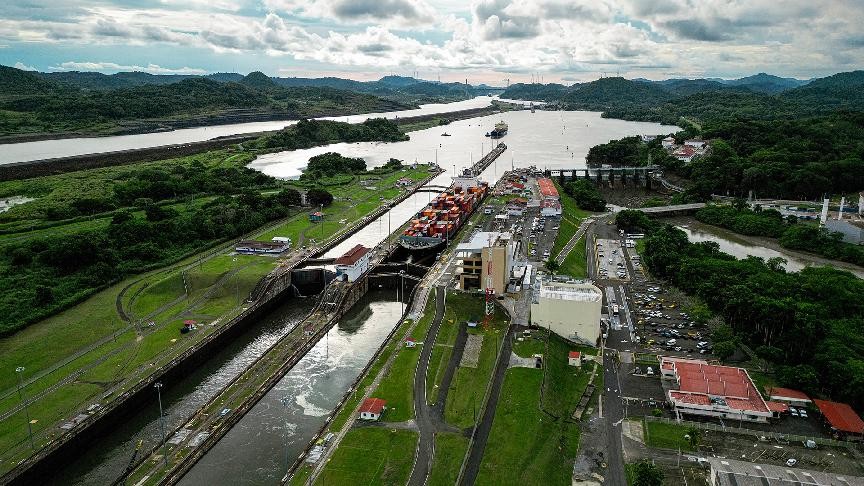
The dispute stems from Panama’s decision in late February to void contracts for two key Panama Canal ports operated by a subsidiary of Hong Kong’s CK Hutchison, transferring temporary concessions to Maersk and Mediterranean Shipping Co following repeated US pressure. Though Panama defended the decision as “genuinely Panamanian”, Beijing accused the Central American country of “bowing to hegemony” without naming the US.
China subsequently ramped up detentions of Panama-flagged vessels at its ports, citing safety concerns related to vessel collisions in Chinese waters. Beijing has insisted its inspections are “beyond reproach” and not targeting any specific flag, while urging Panama to “correct mistakes” on the annulment of Hutchison’s contracts.
Panama currently ranks as the world’s second largest ship registry, behind Liberia and ahead of the Marshall Islands.