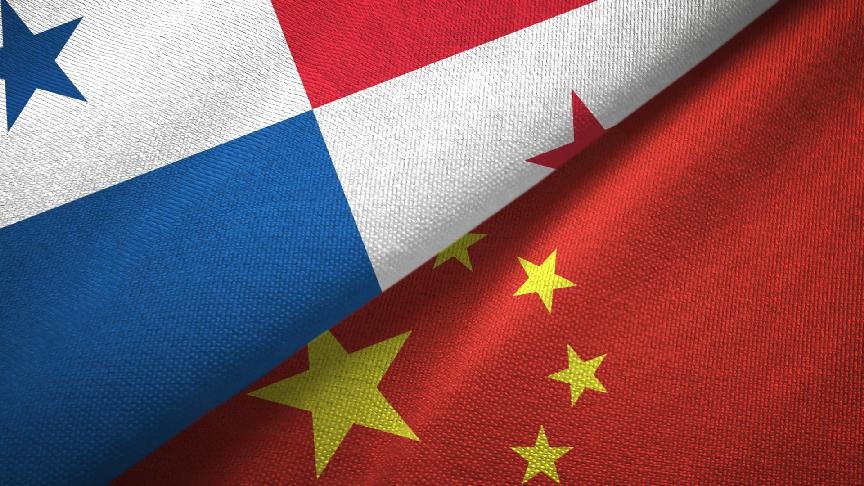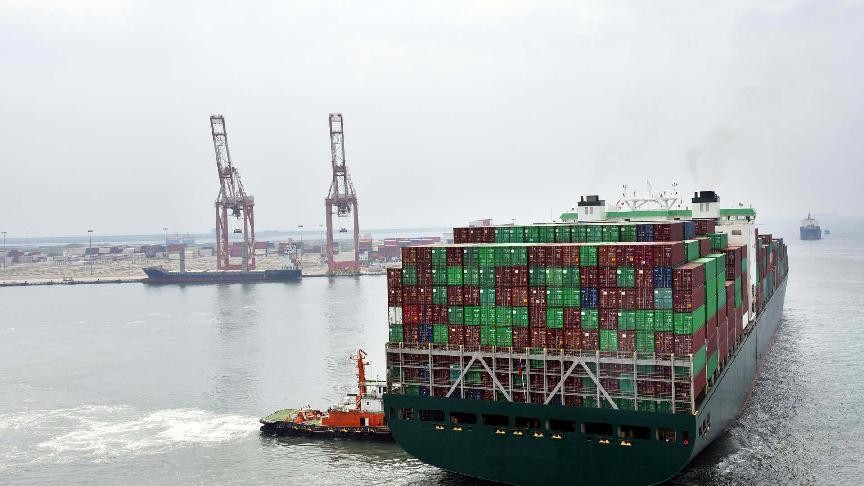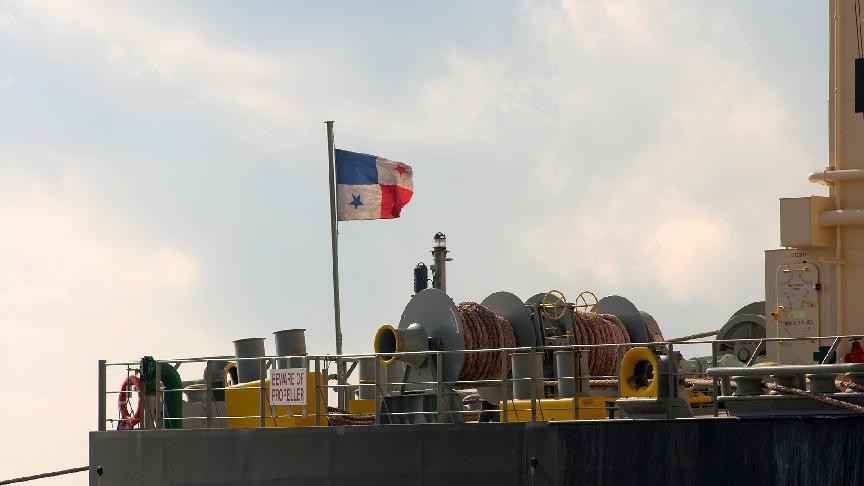

A SURGE in detentions of Panama-flagged vessels at Chinese ports has yet to trigger a mass exodus of shipowners from the registry, even as Beijing shows no sign of easing its heightened enforcement drive into April.
Tokyo MOU port state control data shows detentions of Panama-flagged ships in China reached 92 in March, roughly 4.5 times the 2025 monthly average. Of these, 88 occurred since March 8, when Beijing launched its intensified inspection campaign.
The first nine days of April have seen 27 detentions, accounting for 82% of all vessels held in Chinese ports, indicating that regulatory pressure remains firmly in place.
This week’s arbitration filing by CK Hutchison’s Panama Ports Company, alleging that Maersk conspired with the Panamanian government to seize control of the Balboa terminal, suggests the geopolitically charged dispute is far from over.
Yet Beijing’s apparent retaliation has not yet led to significant fleet losses for the Panama Registry.
Overall, the number of vessels leaving the Panama flag has not increased markedly, according to Lloyd’s List Intelligence data for cargo ships above 10,000 dwt — a segment in which Panama registers approximately 5,000 vessels.
A spike in reflagging during mid-to-late 2025 coincided with a period when the Panama Registry, under pressure from the US and its Western allies, was cracking down on shadow fleet vessels within its ranks.
That said, a closer look reveals that the pace of reflagging has begun to accelerate since the second half of March. In the first eight days of April, the daily rate has risen to 1.63 vessels. If sustained, April’s total would reach 49, reversing the downward trend seen since November.
Any acceleration in reflagging is unlikely to be instantaneous. Transferring a vessel from one flag to another typically takes between one and four weeks, depending on the efficiency of the shipowner’s documentation, the deregistration process at the outgoing registry and the approval procedures at the incoming one. In exceptionally streamlined cases, the process can be completed in a matter of days.
Shipowners also change flags for many reasons, including a sale and change of ownership. It remains unclear whether the recent uptick in reflagging is directly linked to the high detention rates at Chinese ports.
But sources from at least two flag of convenience registries told Lloyd’s List they have received a growing number of inquiries from Panama-flagged shipowners about switching flags in recent weeks.
“We've accepted a few, but many of these ships are too old and not favoured by us or to other mainstream flags,” one source said. “Perhaps some smaller registries will take them, but that carries risks too.
“Their fleets are so small that even a handful of PSC detentions could affect the entire flag's performance rating, dragging down other vessels on the same registry.”
Among the 36 vessels that reflagged between March 9 and April 8, the top destinations were the Marshall Islands with seven and Liberia with six. Barbados, Cyprus, Singapore and Vanuatu each received two.
Panama currently ranks as the world’s second-largest ship registry, behind Liberia and ahead of the Marshall Islands.