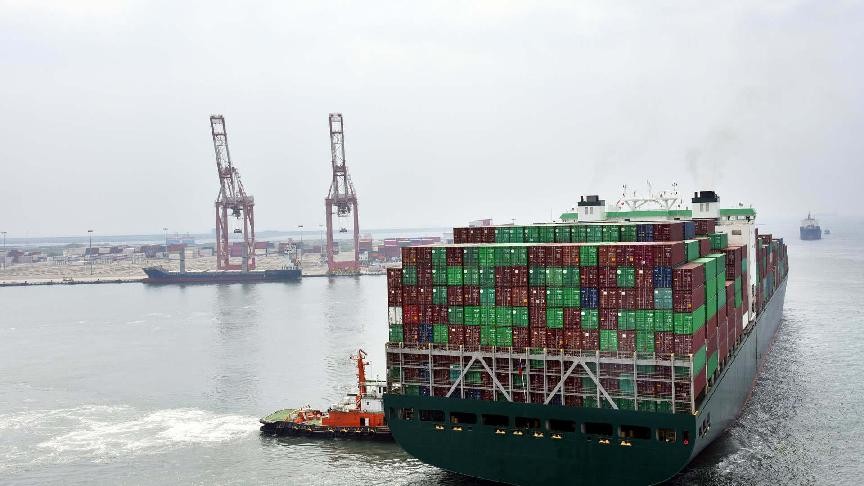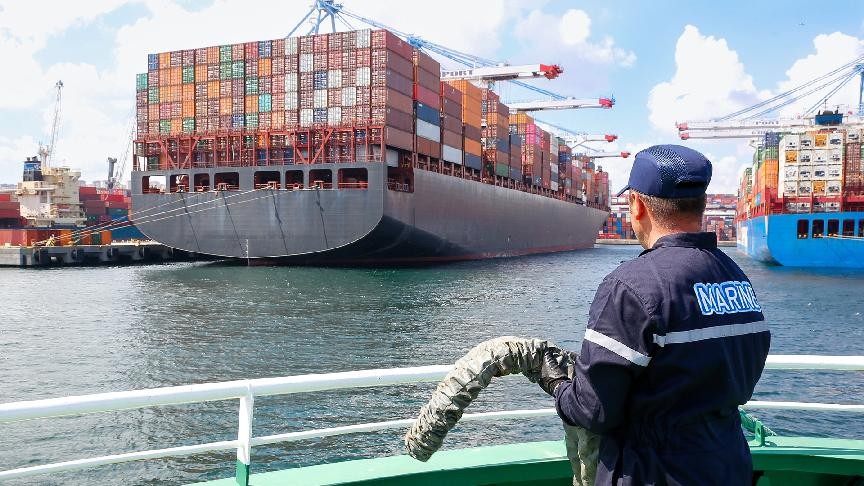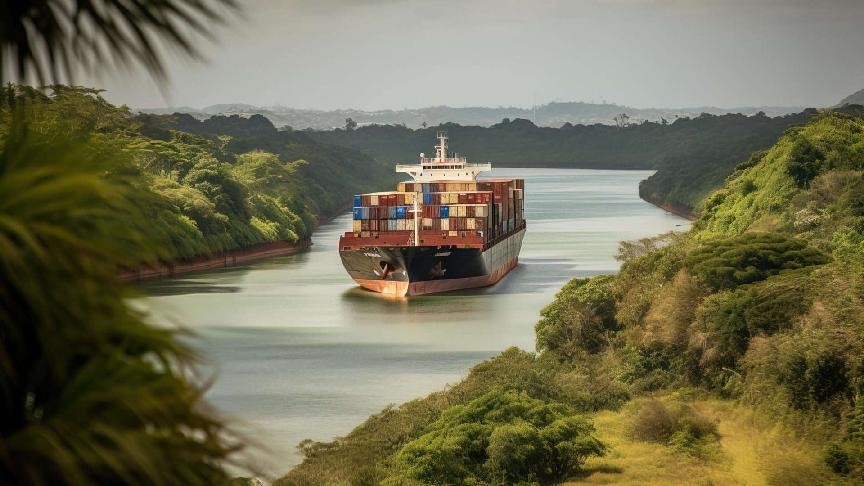

CHINESE ports have further escalated safety inspections and detentions of Panama-flagged vessels over the past week, with data suggesting the campaign shows no sign of abating as the diplomatic standoff over CK Hutchison’s port operations in Panama deepens.
Tokyo MOU port state control data shows another 27 detentions were recorded between March 18 and March 25, taking the number of Panama-flagged vessels detained since Beijing launched its heightened enforcement drive on March 8 to a striking 69 — equivalent to 77.5% of all ship detentions during the period.
The actual figure may be even higher, as the database is subject to reporting delays.
At the current pace of roughly four detentions per day, the total for March is on track to hit 100, nearly five times the monthly average recorded in 2025.
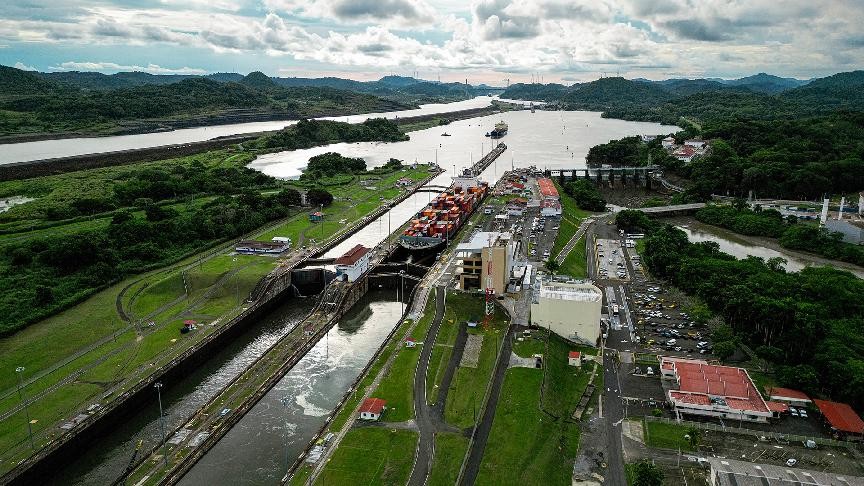
The surge coincides with the deepening dispute between CK Hutchison’s Panama Ports Company and the Republic of Panama.
PPC said this week it had expanded its international arbitration claims against the state to beyond $2bn, one month after what it called the “unlawful takeover” of terminals at the ports of Balboa and Cristóbal.
PPC accused Panama of “extreme executive actions, takeover, occupation, seizure of proprietary and protected documents, and a range of related misconduct”, adding that the state had “continued to choose a path of conflict” and had not coordinated regarding access to property or compensation.
The arbitration is proceeding under International Chamber of Commerce rules, although PPC noted Panama has yet to file its initial answer and had sought delays on the grounds that it had not retained counsel.
The parallel escalation in Chinese port enforcement appears to signal that Beijing intends to maintain high-intensity scrutiny of Panama-flagged shipping until the matter is resolved.
As Lloyd’s List reported last week, the campaign has already prompted concern among shipowners and Chinese leasing companies, with some already beginning to reduce their exposure to the Panama flag for newbuilding orders.
However, the market has not yet observed large-scale reflagging of existing vessels, partly because many Panama-flagged ships are older and may struggle to find an alternative registry of comparable standing willing to accept them.
“Many have come asking, but most [ships] don’t meet our standards,” an executive at a major open registry told Lloyd’s List.
Analysis of the 69 detained vessels using Lloyd’s List Intelligence data underscores this point. Nearly half — 32 ships, or 46% — are aged 16 years or older, while 51 ships, or 74%, are aged over 10 years.
Dry bulkers dominate the list at 43.5%, followed by containerships at 13% and tankers at 17%.
By beneficial ownership, Japanese interests account for the largest share at 39%, followed by unknown owners at 19% and Vietnamese owners at 12%.
There are growing concerns that a sustained elevation in Panama’s detention rate at Chinese ports could damage the registry's standing within international port state control cooperation frameworks.
The Panama flag is currently on the Paris MOU grey list and the Tokyo MOU white list. Any further deterioration in its performance metrics could prompt tougher inspections of its ships in other jurisdictions, effectively globalising the fallout from what began as a bilateral dispute.