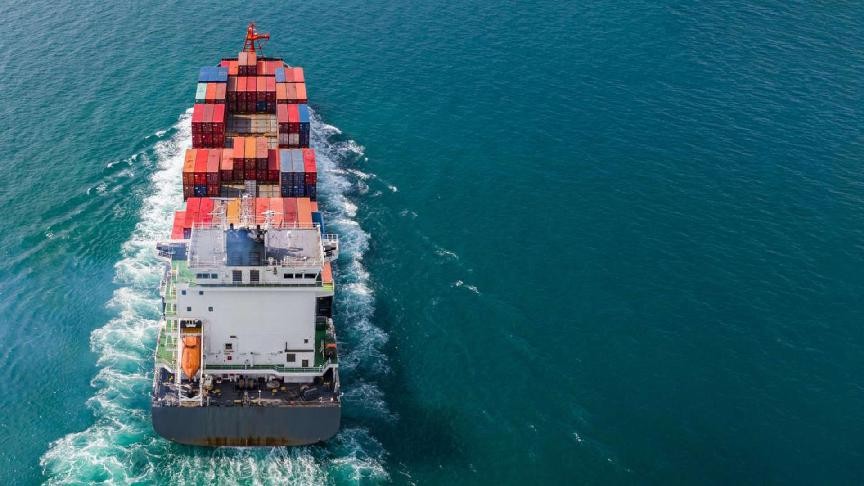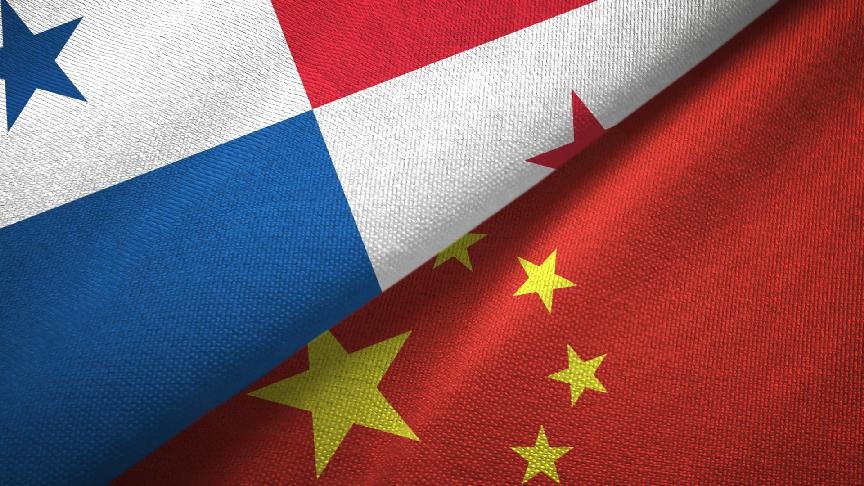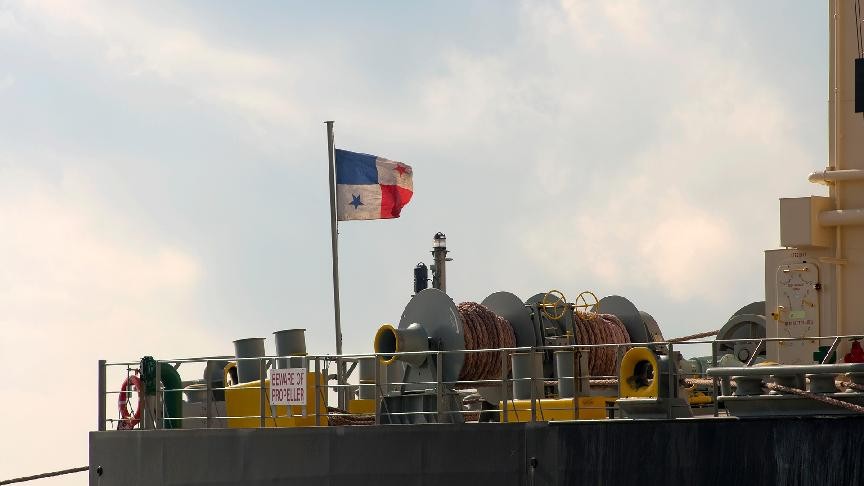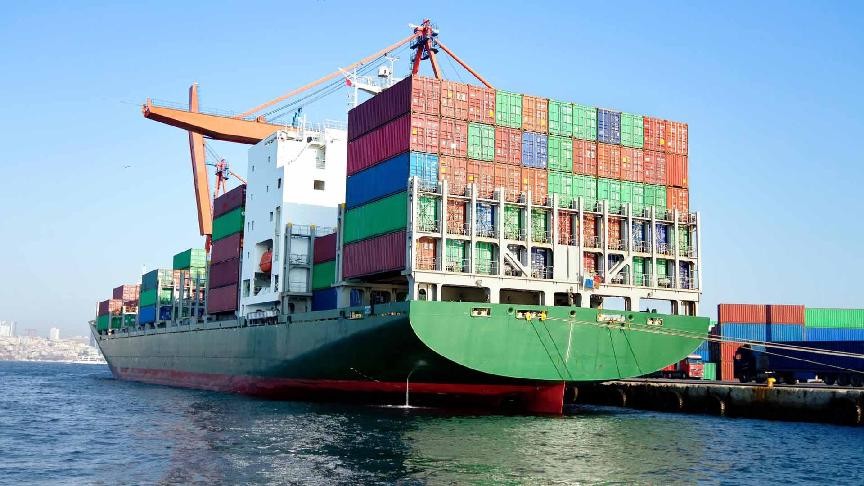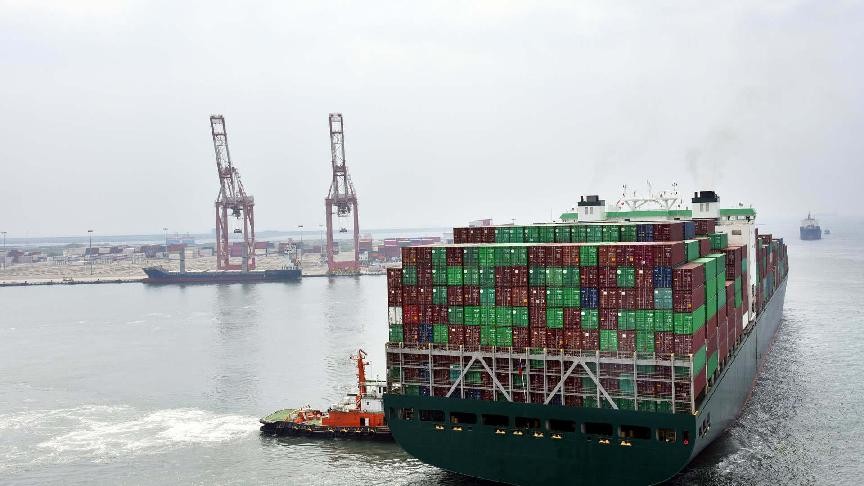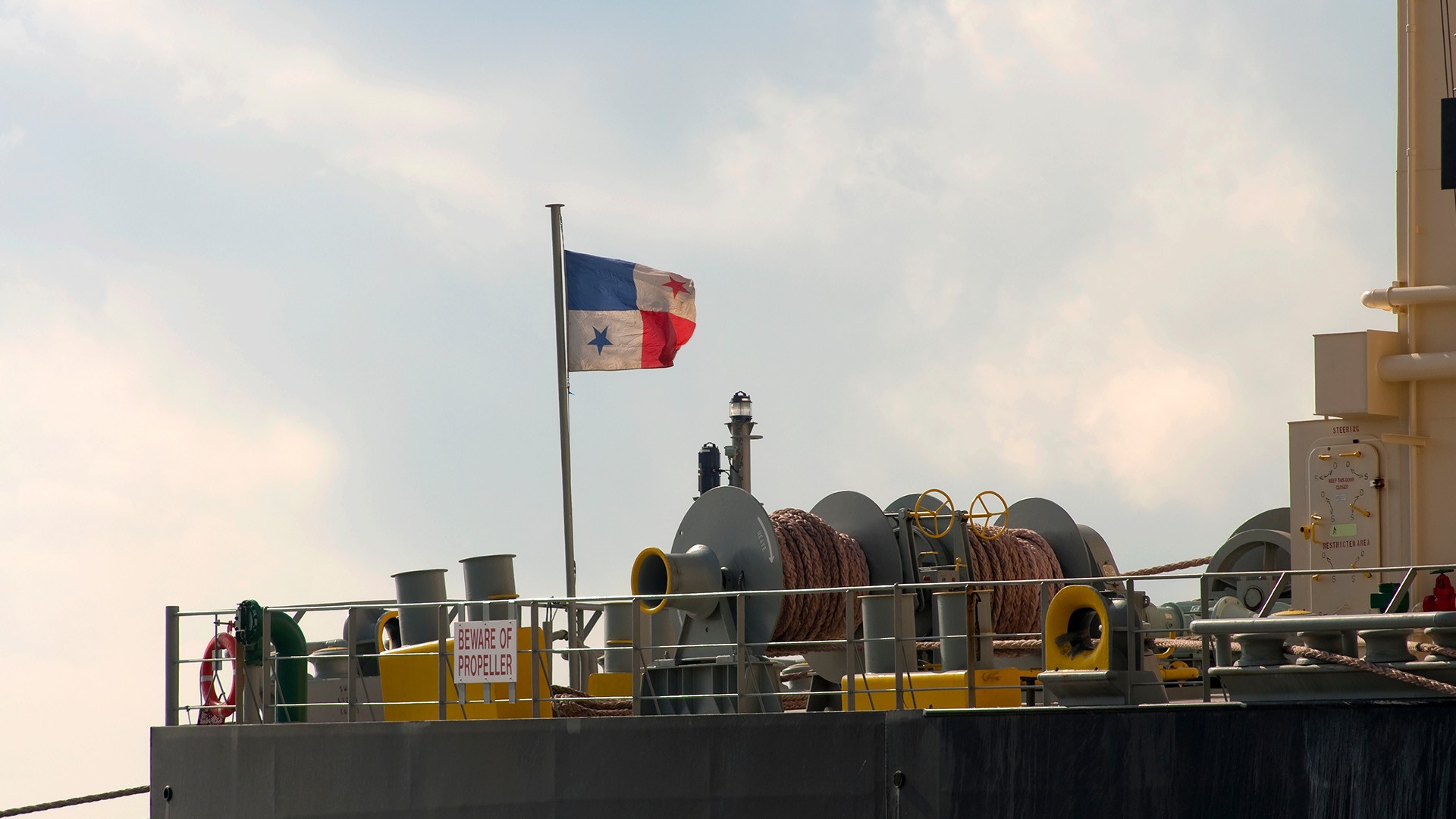

PANAMA-FLAGGED vessels are facing an unusual surge in detentions at Chinese ports, in what industry insiders say is a coordinated response to Panama’s recent decision to strip CK Hutchison of its terminal concessions.
Between March 8-12, Chinese port authorities detained 28 Panama-flagged ships, accounting for 75.7% of vessel detentions in the country during that period, according to data from the Tokyo Memorandum of Understanding on Port State Control.
The figures represent a stark departure from historical norms. Looking back at data since January 2025, no rolling five-day window had previously recorded more than 11 detentions of Panamanian vessels.
While there were four instances where Panama-flagged ships accounted for 75% or more of detentions, those periods involved far smaller total numbers, with a maximum of just eight cases.
The 28 detentions in the space of only five days have already surpassed monthly totals for Panama-flagged vessels throughout 2025, when the average share of Panamanian detentions typically ranged between 28% and 48%.
Sources familiar with the matter told Lloyd’s List that Chinese authorities began issuing verbal instructions to ports on March 8 to intensify inspections of Panama-flagged vessels.
The first week was described as a trial period, with expectations that enforcement would escalate further in the coming weeks. The sources linked the move directly to Panama’s forced removal of Hutchison’s operating rights at two key canal terminals.
The development comes with claims reported by Breitbart News, which cited Trump administration officials saying a key shipping line had sent an email to Panama’s consulate in Greece stating that China’s Maritime Safety Administration “advised that ships with Panamanian flags will be detained at Chinese ports due to political reasons”.
The officials clarified that “detain” does not necessarily mean vessels or cargo are being seized, but rather that Chinese authorities are slowing departures to conduct additional checks.
The targeting of Panama-flagged vessels appears to be the latest phase of a broader retaliation campaign.
As Lloyd’s List reported in early February, Chinese authorities had been collecting detailed data on shipping links between China and the Panama registry, including the number of Panama-flagged vessels calling at Chinese ports, the size of the Panama-flagged fleet owned by Chinese entities, and the annual fees paid to the Panamanian government.
According to Lloyd’s List Intelligence data, more than 4,600 Panama-flagged vessels called at Chinese ports in 2025.
The inspection campaign follows other retaliatory signals from Beijing.
On March 11, Cosco Shipping suspended its container services at Panama’s Balboa port. The suspension came just one day after China's Ministry of Transport and the National Development and Reform Commission summoned representatives from Maersk and Mediterranean Shipping Company to discuss “international shipping business conduct”.
Industry sources indicated the meetings were connected to the two carriers’ involvement in assuming operations at Balboa and Cristobal after Hutchison’s Panama Ports Company was forcibly removed.
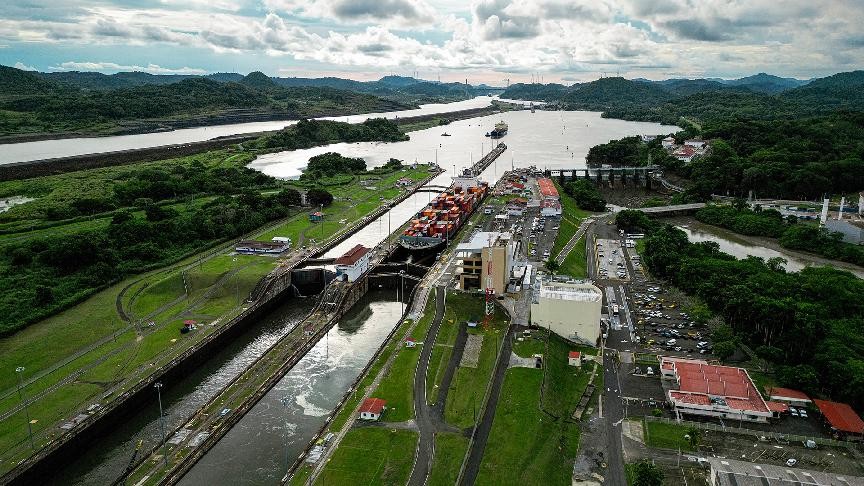
APM Terminals, the port arm of Maersk, and MSC’s Terminal Investment Limited took control of the two facilities in late February under an 18-month temporary arrangement following a Panamanian Supreme Court ruling that voided Hutchison’s long-standing concessions.
Beijing has warned Panama of political and economic consequences if the decision is not reversed Panama Ports Co has filed for international arbitration seeking at least $2bn in damages.
The targeting of Panama-flagged vessels carries substantial implications for global shipping. Panama maintains the world’s largest ship registry, and prolonged or expanded inspection campaigns could disrupt supply chains and increase costs for shipowners worldwide. The situation underscores how port state control mechanisms, ostensibly designed for maritime safety, can become tools of geopolitical leverage in an era of intensifying great power competition.
The developments highlight the extent to which geopolitics is affecting the shipping industry, requiring shipowners and operators to manage a complex set of trade restrictions and political considerations.
If Beijing proceeds with retaliatory measures targeting Panama-flagged vessels, it could affect vessel operations and trade flows, adding further uncertainty to a sector already adjusting to disruptions from the closure of the Strait of Hormuz to tariff-related shifts in trade patterns.
Panama currently ranks as the world’s second-largest ship registry after being overtaken by Liberia in 2023. Any sustained Chinese campaign against the flag could accelerate that trend further.