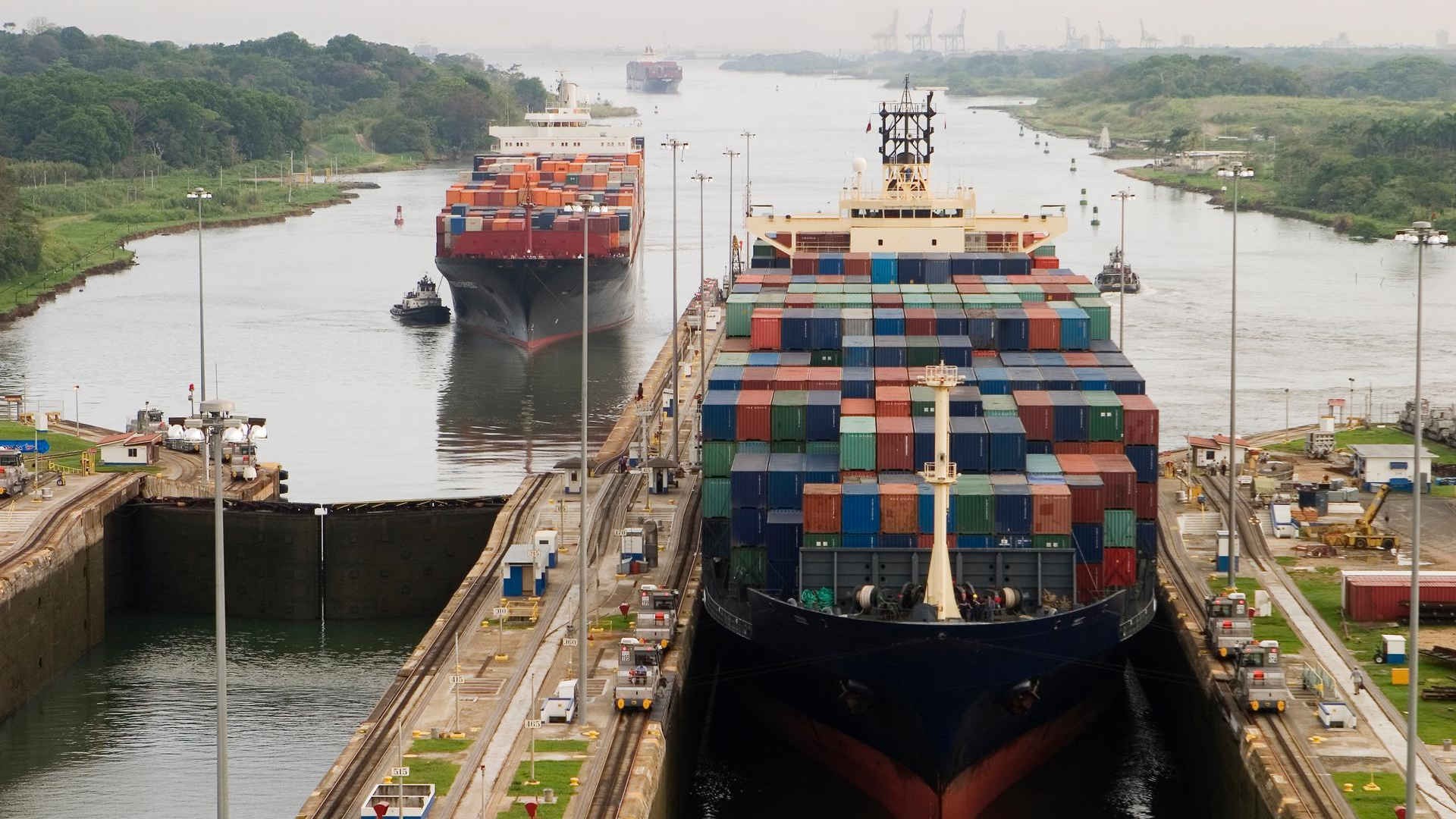

THE Panama Canal will reduce daily vessel transits from September as worsening drought conditions linked to an intensifying El Niño force fresh restrictions on the waterway, raising concerns over longer delays, higher costs and renewed disruption to global trade flows.
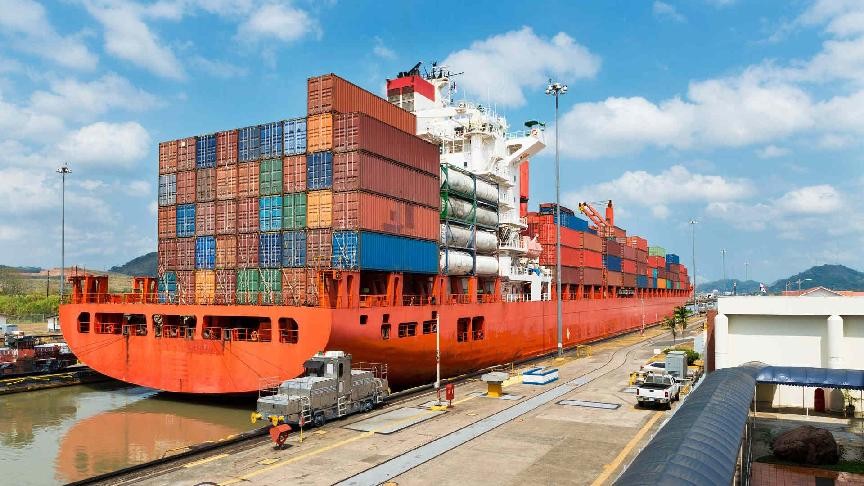
The Panama Canal Authority will cut daily transit capacity to 34 vessels from September 3 and then to 32 vessels from September 15, down from the current 36 transits a day, after rainfall across the watershed fell well below historical averages.
The move marks only the second time the canal has imposed transit restrictions and comes despite a series of water-saving measures introduced following the severe 2023-24 drought that disrupted global trade and sent transit costs soaring.
The authority said rainfall between May and August was 34% below average, while watershed inflows were 44% below normal. Forecasts for what climate scientists increasingly describe as a potentially historic El Niño suggest conditions could deteriorate further over the coming months.
“Current watershed conditions, including below-expected precipitation, require additional action to support the long-term sustainability of transit operations,” the authority said in an advisory to shipping on Thursday.
The restrictions come at a particularly sensitive time for global logistics networks already strained by the Iran war and the resulting disruption to traffic through the Strait of Hormuz. The conflict has increased demand for alternative shipping routes and boosted energy exports from the US Gulf to Asia, placing additional pressure on the canal.
From September 3, daily capacity at the Neopanamax locks will be reduced to nine slots, while capacity at the older Panamax locks will be capped at 25 slots before falling to 23 slots from September 15.
The authority will also overhaul its slot auction system, dividing daily auction capacity into four cargo groups covering gas carriers, dry bulk vessels, containerships and car carriers, and tanker trades. The changes are intended to spread capacity more evenly across different market segments as congestion intensifies.
Waiting times are already climbing. Vessels arriving without reservations are facing delays of more than a week, while competition for priority transits has pushed auction prices to unprecedented levels. Earlier this month, a container ship reportedly paid $4m to secure immediate passage, while an LPG carrier paid a record $4.6m to bypass the queue.
The soaring costs reflect surging demand from oil, natural gas, fertiliser and chemical trades rerouting cargoes through Panama as instability in the Middle East reshapes global shipping patterns. Bloomberg recently reported that US LPG exporters, including Chevron-chartered vessels, have begun using ship-to-ship transfer operations off Panama’s Pacific coast to avoid increasingly expensive Neopanamax transits.
Congestion has been further exacerbated by maintenance outages at the Neopanamax locks that are expected to continue until September. The canal has also imposed draft restrictions because of lower-than-expected rainfall, although previously announced reductions to maximum authorised drafts have now been postponed following recent improvements in lake levels.
The Panama Canal remains a critical artery for global trade, carrying more than 3% of world seaborne commerce and around 14,000 vessels annually. Reduced capacity during the 2023-24 drought forced many operators to reroute voyages and triggered widespread concern over supply chain resilience.
The latest restrictions are already prompting market participants to seek alternatives. Bloomberg reported that Chevron-chartered vessels are among those using ship-to-ship transfers to move LPG cargoes across Panama without relying on increasingly scarce and expensive canal slots.
The outlook for canal operations remains highly uncertain. In its August 13 update, the US National Oceanic and Atmospheric Administration estimated a better than 90% probability of a very strong El Niño developing during the northern hemisphere autumn and winter, with a 69% chance conditions reach a historically strong threshold between October and December.
The authority warned that further operational changes could be required if weather conditions deteriorate.
“Should additional operational adjustments become necessary, the canal will provide customers with timely updates,” it said.
“Because weather conditions are changing more rapidly than originally anticipated, the Panama Canal will make every reasonable effort to announce any future adjustments as far in advance as possible.”
Panama Canal administrator Ricaurte Vasquez said El Niño this year could last much longer than before, requiring the canal to limit transit capacity, as it did during a drought in 2023 and 2024, in addition to imposing draft restrictions.
"The experience of 2023 and 2024 has prepared us well for what we know and has given us the discipline to deal with what we do not know. The canal does not improvise," Vasquez said on Wednesday at a business event.
The announcement adds to a challenging period for Panama. The country is also facing a growing legal dispute with CK Hutchison, which this week launched a more than $1.5bn arbitration claim over the loss of its concessions at the Balboa and Cristobal terminals, underscoring the mounting pressures on one of the world's most strategically important maritime gateways.