
CK HUTCHISON has begun an arbitration against the Republic of Panama, seeking more than $1.5bn in damages amid escalating disputes over operations of two port terminals at the Panama Canal.
The Hong Kong-headquartered conglomerate said in a filing on Thursday that it launched the proceedings after attempts to reach a resolution failed.
CK Hutchison accused Panama of breaching an investment protection treaty through a series of measures during 2025 and 2026 that “culminated in Panama’s destruction of the concession contract” and seizure of the Balboa and Cristobal terminals.
“Panama has demonstrated that it has become a risky country that disregards the rule of law, corporate form, the scope of parties to a contract, the scope of arbitration agreements, treaty rights and the resolution of treaty disputes,” the company said in a statement.
The latest escalation came as CK Hutchison flagged a 1% drop in its port throughput in 1H26, which the company said was “mainly attributable” to reduced volumes following Panama’s decision to void its port contracts.
CK Hutchison said it “strongly disagrees” with the measures taken by Panama in violation of the treaty and will continue to seek resolution with Panama.
Lloyd’s List has reached out to the Panamanian authorities for comments.
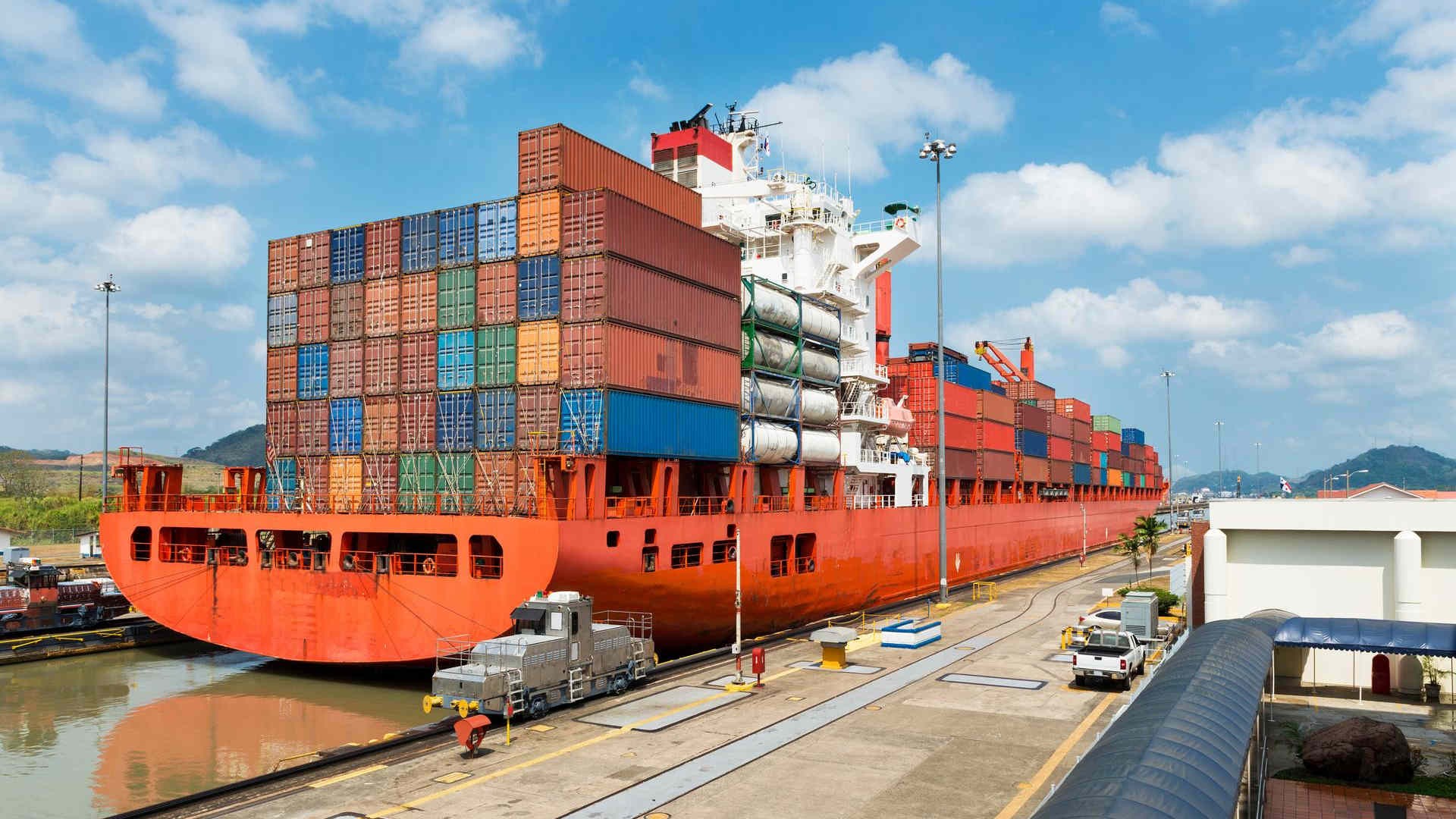
In late February, following repeated US pressure to curb Chinese influence, Panama’s Supreme Court ruled that contracts for the two Panama Canal terminals operated by Panama Ports Company, a subsidiary of CK Hutchison, were voided, transferring temporary concessions to Maersk and Mediterranean Shipping Co.
In response, PPC filed a $2bn arbitration claim against Panama and a separate one against Maersk. Meanwhile, China has ramped up Port State Control detentions of Panama-flagged vessels since March, triggering a record exodus from the Panama registry.
However, China appeared to have loosened its crackdown following a July bilateral meeting in Beijing, where the two sides agreed to renew their maritime transport agreement, which includes preferential port treatment and expedited administrative procedures.
The number of detentions dropped significantly from May’s peak of 140 to just 23 last month, a level largely in line with the pre-dispute level, according to Tokyo MOU data.