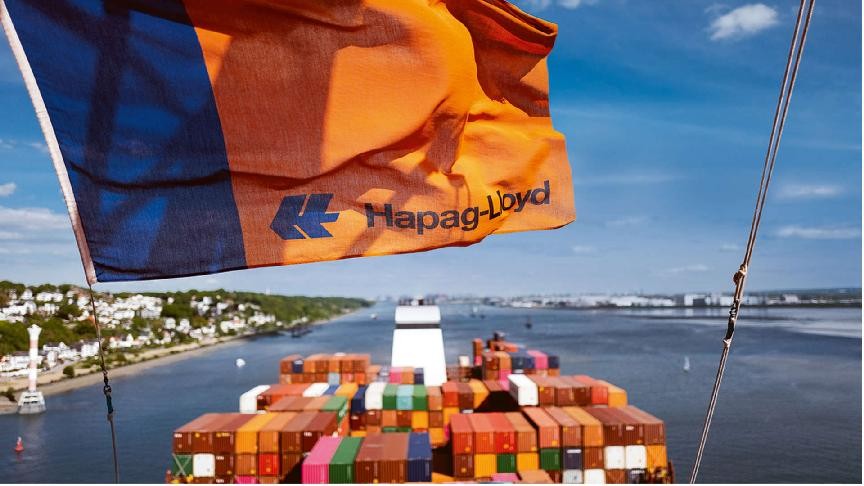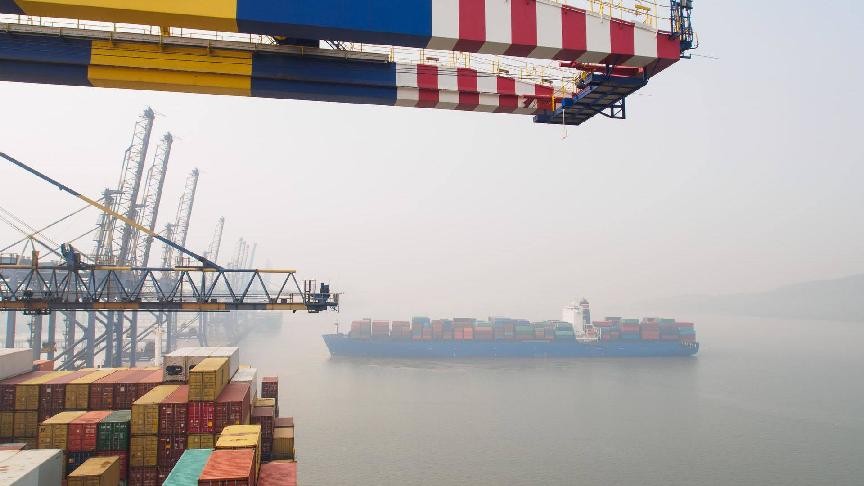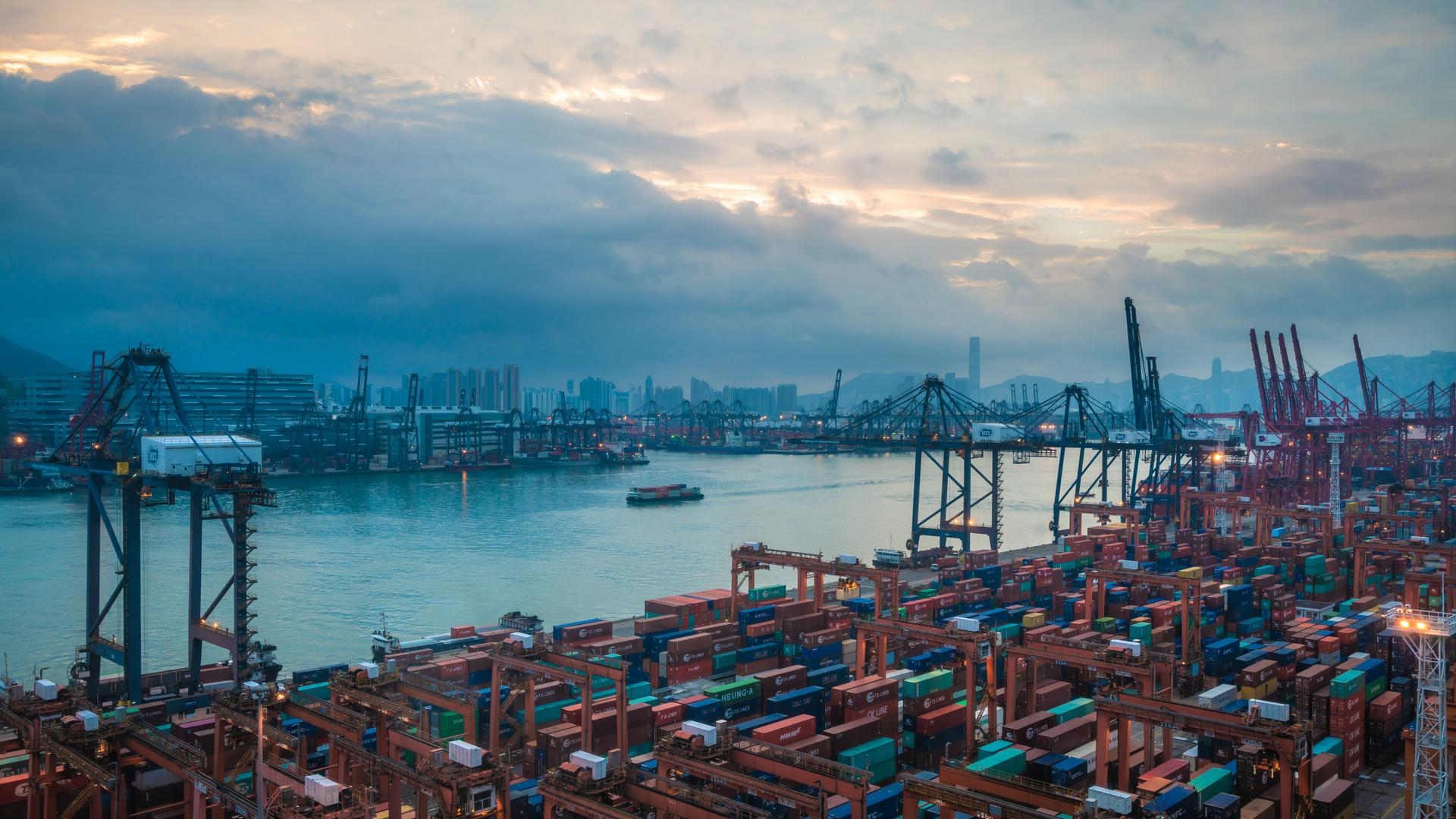

Ocean carriers are accelerating their investments in terminal infrastructure worldwide, seeking greater control over their supply chains, securing long-term capacity and strengthening their competitive position in an increasingly complex logistics environment. The latest example comes from Hapag-Lloyd, which has announced plans to acquire a 25% stake in APM Terminals Maasvlakte II in Rotterdam, further expanding its growing terminal portfolio.
The move reflects a wider industry trend that has gathered momentum in recent years as major carriers deploy profits earned during the pandemic era into strategic landside assets. According to shipping analyst Drewry, carrier-controlled terminal operators now account for 44.5% of global terminal capacity, more than double their share a decade ago, while the share controlled by independent stevedores has steadily declined.
As announced by Hapag-Lloyd, the company has agreed to acquire a minority stake in APM Terminals Maasvlakte II, with operational control remaining in the hands of APM Terminals. The investment is intended to support ongoing terminal expansion, secure long-term automated handling capacity and reinforce Rotterdam's role as a key European hub within the Gemini Cooperation between Hapag-Lloyd and Maersk.
The terminal is a key element for the Gemini Cooperation and fits well with our strategy to build a stronger terminal portfolio in core markets
CTIO, Hapag-Lloyd/CEO, Hanseatic Global Terminals
The terminal, operational since 2015, is currently undergoing a major expansion programme that includes an additional 1,000 metres of deep-sea berth capacity, expanded yard space, four additional rail tracks and further deployment of automated equipment. Once completed, annual handling capacity is expected to increase to approximately 5.4 million TEU.
Race for strategic terminal assets
Hapag-Lloyd's Rotterdam investment is only the latest in a series of high-profile terminal deals announced this summer. In June, MSC, through its Terminal Investment Limited (TiL) division, agreed to invest $1.4 billion for a 49% stake in India's Adani Vizhinjam Port. Around the same time, CMA CGM committed $400 million to develop and operate a logistics terminal at the Port of Sohar in Oman.
Hapag-Lloyd has also been strengthening its terminal arm, Hanseatic Global Terminals (HGT), having recently doubled its stake in Eurogate Container Terminal Hamburg. By 2030, HGT aims to increase its footprint from the current 25 terminals by adding another 10 to 15 facilities globally.
The industry's growing appetite for terminal investments extends beyond Europe and Asia. In the United States, port industry observers are closely watching the forthcoming sale of Maher Terminals in New Jersey, one of the most strategically important container terminals on the US East Coast. The transaction could provide carriers with an opportunity to secure valuable terminal capacity in one of North America's largest gateways.
Securing capacity and improving resilience
Industry analysts note that terminal ownership provides carriers with several strategic advantages. By controlling terminal assets, shipping lines can ensure capacity remains available for their vessel networks, particularly as congestion and operational disruptions continue to affect global supply chains.
Ownership also enables carriers to offer differentiated services to customers, ranging from extended gate hours to more integrated logistics solutions. In markets outside the United States, where cargo owners typically bear terminal handling charges, terminal ownership can further strengthen relationships with shippers and improve service reliability.
For carriers such as Hapag-Lloyd, MSC, CMA CGM and Maersk, terminal investments are increasingly viewed as long-term strategic assets rather than purely financial investments. With terminal concessions often running for several decades and relatively few high-quality assets available for acquisition, industry executives describe securing the right terminal as a decision that can shape network competitiveness for generations.
A more disciplined industry?
Some market observers also see a connection between growing terminal ownership and a more disciplined competitive environment in container shipping. Large investments in terminal concessions, acquisitions and greenfield developments require substantial capital commitments, encouraging carriers to focus on profitability and long-term asset returns rather than pursuing market share through aggressive freight rate reductions.
The latest Rotterdam transaction underscores this broader strategic shift. As carriers increasingly integrate ocean transport with terminal infrastructure, the traditional distinction between shipping lines and terminal operators continues to blur.