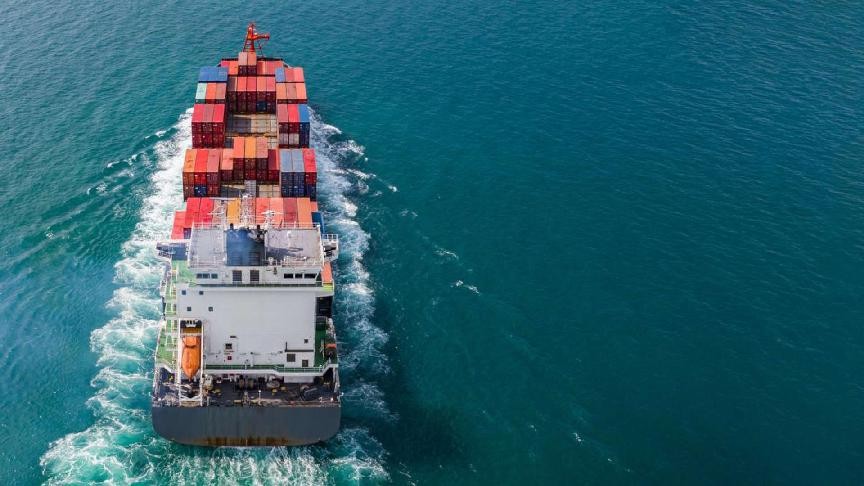

WORSENING port congestion has effectively removed about 3m teu of containership capacity off the market, making a full recovery before the early-2027 Lunar New Year cargo rush unlikely.
Vessel delays, driven mainly by a string of typhoons hitting major Asian ports, now tie up 8.5% of the global fleet, Sea-Intelligence said. The capacity absorbed has risen to 3m teu, up more than 75% from 1.7m teu in mid-August.
“For comparison, a fleet of this magnitude would be the world’s fifth-largest carrier, placed between Cosco and Hapag-Lloyd,” the report said.
Global schedule reliability fell to 49.9% in August, with a “very high” increase of average vessel delay of 6.8 days, a level exceeded only at the height of the pandemic disruption, according to Sea-Intelligence.
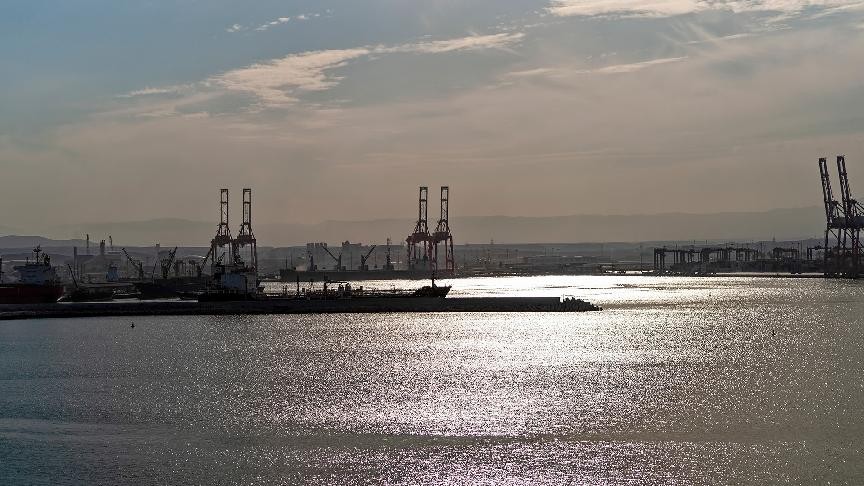
Shanghai and Ningbo were hit hardest, with reliability at the respective Chinese majors falling to 12%-17% and late arrivals running eight to nine days behind.
“This terminal gridlock was heavily compounded by late-summer typhoon closures that completely halted operations at both these ports,” the report said.
Based on how quickly past congestion cleared, Sea-Intelligence estimated it would take seven to 10 months to get back to the relatively low levels of June 2025, and six to eight months to return to end-2025 conditions.
“This means there is now a distinct likelihood that port congestion in Asia will only be partially alleviated for the seasonal uptick in cargo prior to Chinese New Year,” which falls on February 6, 2027, it said.
However, the effect on cargo owners is less severe than the headline reliability figure suggests. After weighting individual trades by actual container volumes, Sea-Intelligence found cargo-weighted reliability was more than six percentage points above the vessel-based measure.
The difference reflects a sharper deterioration on lower-volume backhaul trades than on the major headhaul routes, according to the report.
“We are seeing a situation where the global average schedule reliability, measured at the vessel level, is worse than the actual impact on loaded containers,” it added.
Landside bottlenecks
Concerns about port congestions are echoed by Bhavan Vempati, Maersk’s head of ocean business in Asia-Pacific.
In an interview with Lloyd’s List last week, Vempati said that compared to a full return to the Red Sea, landside bottlenecks are the “bigger” problem for shipping.
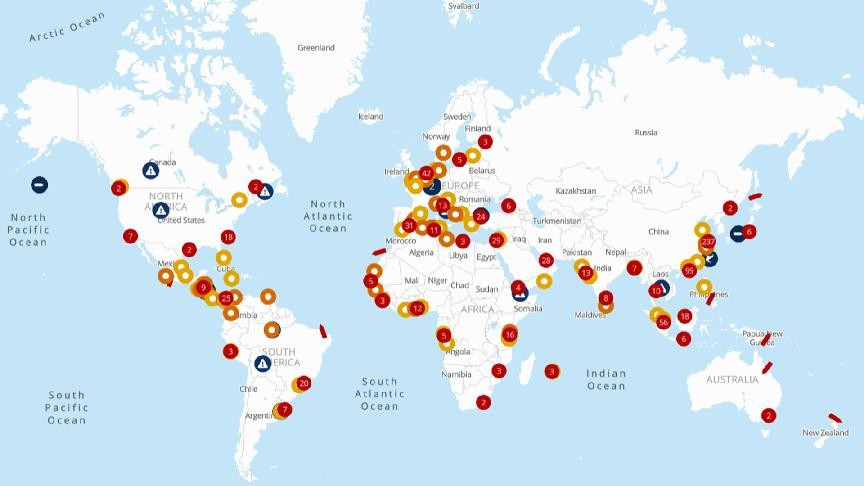
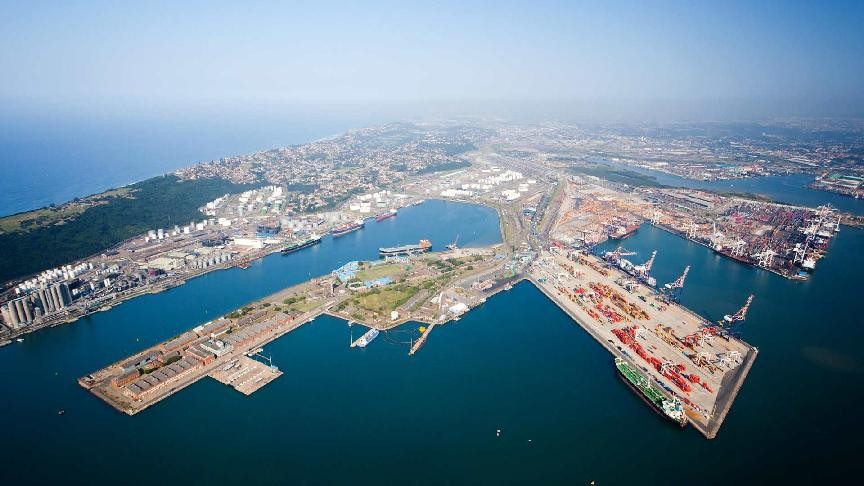
“The real constraint has shifted from vessel capacity to landside and the infrastructure bottlenecks,” he said, adding that port-side congestions now appear across regions, not just in Asia.
Landside bottlenecks, which extend to inland waterways, rail and trucking, are also amplified by continued strong export demand from Asia, particularly China, despite tariffs and geopolitical uncertainties, Vempati said.
The industry’s response is constrained by time. With greenfield terminals requiring six to 10 years to reach operation, today’s investment decisions will do little to alleviate near-term congestion if demand keeps outpacing capacity, he added.