
MAJOR US ports remain vulnerable to the kind of bridge strike that shut Baltimore’s main shipping channel for more than two months, according to a US Coast Guard report that identifies significant shortcomings in infrastructure planning, risk assessment and emergency response capability.
The Ports and Waterways Safety Act Board of Inquiry found that eight key US ports ranked a bridge allision as their worst-case scenario, including Los Angeles/Long Beach, New York/New Jersey, Corpus Christi and New Orleans.
For Baltimore, that risk became reality on March 26, 2024, when the Singapore-flagged, 10,000 teu Dali struck the Francis Scott Key Bridge, causing a large section of the structure to collapse and killing six maintenance workers.
The main shipping channel remained closed for 76 days, disrupting billions of dollars of cargo and generating insurance claims that could exceed the International Group of P&I Clubs' $3.35bn pooling limit, potentially requiring member club support.
The coastguard’s findings suggest a similar incident could happen elsewhere.
Port stakeholders told investigators they were handling ever-larger vessels, even as the number of ship calls declined. The report said this highlighted the growing vulnerability of critical port infrastructure as shipping patterns and vessel sizes continue to evolve.
A separate National Transportation Safety Board report into the Dali casualty warned in December 2025 that larger ships and rising cargo volumes were placing increasing pressure on infrastructure never designed for vessels of today's scale.
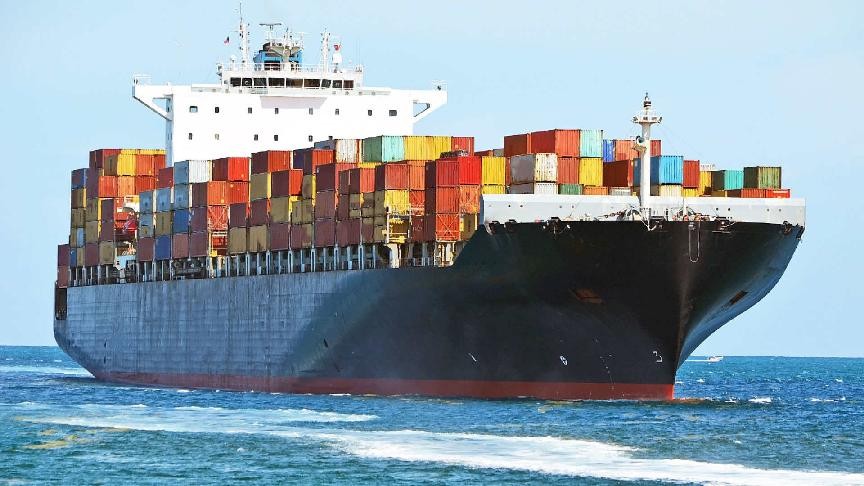
Containerships in particular present heightened risks because of the challenges of manoeuvring large vessels around bridges, quays and other infrastructure built for a different era of shipping.
Overdue assessments
The report also raised concerns over the infrequency of infrastructure risk assessments at US ports.
Waterways Analysis and Management System reviews assess navigational safety, available resources, channel conditions and changing vessel traffic patterns. They are supposed to be conducted every five years.
However, 18 of the 41 ports surveyed had no record of completing a WAMS assessment since 2015. Across the top 50 US ports, only about half have undertaken a review during the past decade.
The report blamed the “cumbersome nature” of the process for the widespread non-compliance.
The problem has been recognised for years. A 2013 review concluded there were no meaningful professional consequences for failing to complete assessments within the required timeframe. The latest report acknowledged that enforcing compliance remains difficult because there is no comprehensive system tracking the status of WAMS reviews nationwide.
No authority, no funding
The inquiry also identified important infrastructure investment requirements.
Seven ports, including Los Angeles/Long Beach, New York/New Jersey, Corpus Christi and Houston, said channel dredging would be necessary to mitigate the risk of incidents with larger vessels.
Other measures, including bridge protection upgrades and in some cases bridge replacement projects, would require substantial federal funding. Yet investigators found no single federal agency has either the authority or the budget to lead such investment.
The report also highlighted a deterioration in emergency response capability. Numerous ports said their salvage, firefighting and oil spill response resources had degraded significantly and could not be readily mobilised if needed.
The Dali casualty exposed the economic and human cost of a major bridge strike, killing six people, severing a critical transport link for Baltimore and generating potentially record-breaking insurance claims.
The coastguard’s findings suggest the underlying risks have yet to be fully addressed. As US ports accommodate increasingly large vessels, ageing infrastructure, infrequent risk assessments and declining response capabilities could leave other gateways exposed to similarly disruptive consequences.