MAJOR container lines have succeeded in removing most of their ships from the Middle East Gulf following the partial reopening of the Strait of Hormuz, although more than 20 ships operated by the world's largest carriers remain in the region.
According to Alphaliner, 80 containerships with a combined capacity of some 170,000 teu are still in the MEG, including 24 vessels operated by the leading global carriers.
That compares with 138 vessels totalling 470,000 teu that were recorded in the MEG during the early stages of the conflict on March 2.
Since June 18, 16 containerships operated by the important carriers departed the MEG, following intervention by the International Maritime Organization, although the arrangements proved to be short lived.
Despite the security situation, liner services to the MEG have continued. Rather than suspending operations, carriers have reconfigured their networks, relying on combinations of land transport and intra-MEG feeder services to maintain cargo flows.
Alphaliner notes there are around 20 active intra-MEG container services, with several operators adapting schedules to route cargo through regional hub ports connected to global shipping networks by road or rail.
Lloyd’s List Intelligence data shows Mediterranean Shipping Co still has eight containerships in the MEG, the largest number among the big carriers.
They include the owned, 11,312 teu, MSC Francesca (IMO: 9401116) and the time chartered, 6,690 teu, Epaminondas (IMO: 9153862), both of which were seized by Iran and diverted to the Iranian coast on April 22, where they remain.
Several of MSC’s remaining vessels are deployed on intra-MEG feeder services and are therefore not expected to require immediate transits through the Strait of Hormuz.
German carrier Hapag-Lloyd completed the withdrawal of all its remaining containerships from the MEG, with the largest being the 10,100 teu chartered vessel Haiphong Express (IMO: 9778129).
The Seaspan-owned vessel normally operates on an Asia-Middle East service jointly operated with Maersk in the Gemini Cooperation alliance.
Maersk, by contrast, still has five containerships in the MEG. Most are chartered vessels ranging in size from 2,096 teu to 6,800 teu, although the fleet also includes the company-owned, US-flagged 2,096 teu Maersk Yorktown (IMO: 9289192). Three of the remaining vessels are employed on intra-MEG feeder operations.
South Korean carrier HMM removed its only vessel that had remained in the MEG since the outbreak of hostilities. The 15,300 teu HMM Daon (IMO: 9869227) departed on June 23.
Taiwan’s Yang Ming also successfully extracted its only stranded vessel. Lloyd’s List Intelligence data shows the 2,940 teu YM Credibility (IMO: 9864564) transited the Strait of Hormuz on June 23, after being marooned since late February.
French carrier CMA CGM continues to have six containerships operating in the MEG, including the 15,000 teu CMA CGM Everglade (IMO: 9894985), the largest of its vessels still in the region.
Taiwanese operators Evergreen and Wan Hai Lines both evacuated their remaining three vessels each between June 24 and June 25. Among them was the 9,500 teu Ever Lovely (IMO: 9629110), which was struck by a projectile while exiting Hormuz but was able to continue its voyage back to Asia.
Singapore-headquartered Ocean Network Express still has one vessel in the MEG. The 6,724 teu One Majesty (IMO: 9424912), which sustained projectile damage during the conflict in March, remains stationary and is the only ONE-operated containership yet to leave the region.
While the number of large containerships in the MEG has fallen sharply, carriers continue to maintain regional services through revised operating models, underscoring the strategic importance of Middle East Gulf trade despite security risks.
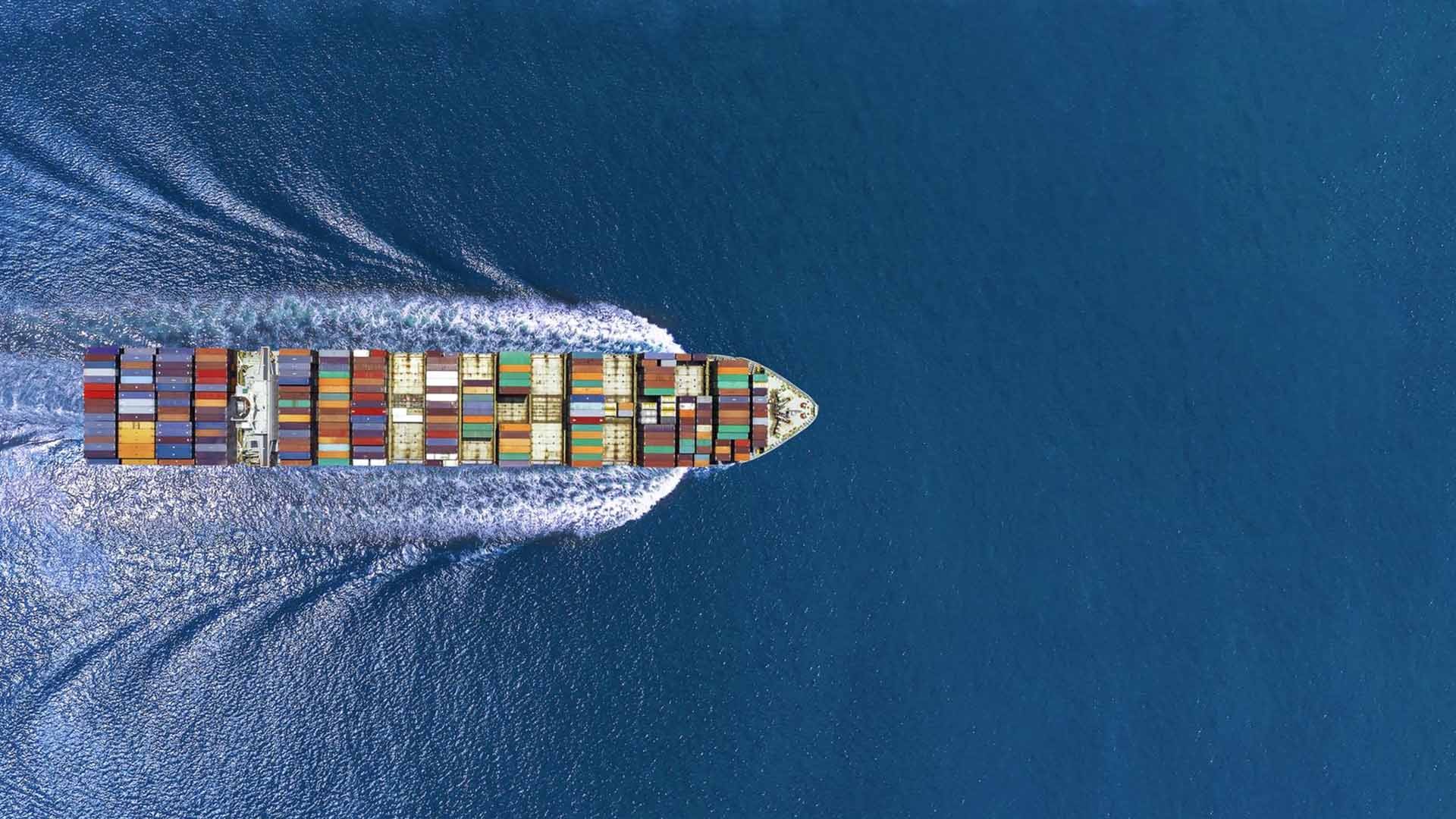
Key container lines have pulled most ships from Middle East Gulf
Global container lines have withdrawn most of their vessels from the Middle East Gulf following the partial reopening of the Strait of Hormuz in June

Source: Lloyd's List

Related articles

Sea newsseaexplorer Schedule Reliability Report – September 2026

Sea newsGeopolitical complexities could escalate shipping’s risk hazards
Sea newsRed Sea container transits hit post-crisis high as carriers accelerate return
Sea newsAsia-Pacific piracy and robbery incidents decline in first three quarters of 2026
Sea newsSeptember newbuild wave highlights container shipping’s supply-side risk
Sea newsOman backs EU freedom of navigation pledge as Hormuz toll negotiations continue