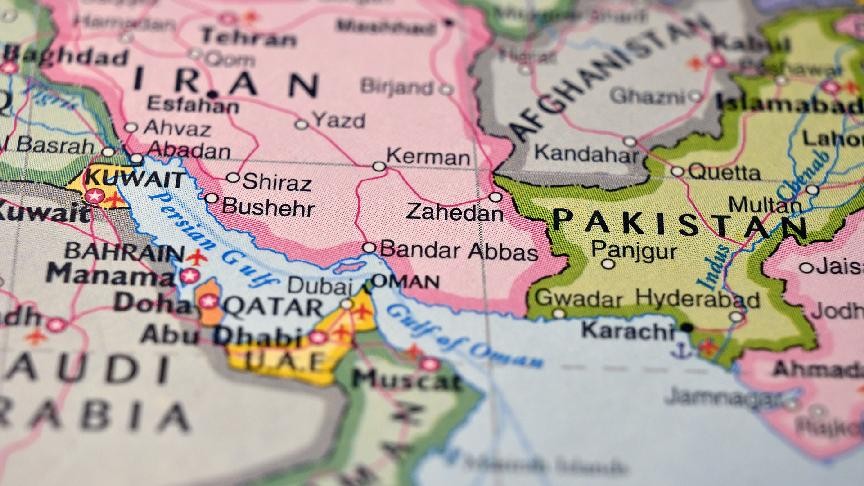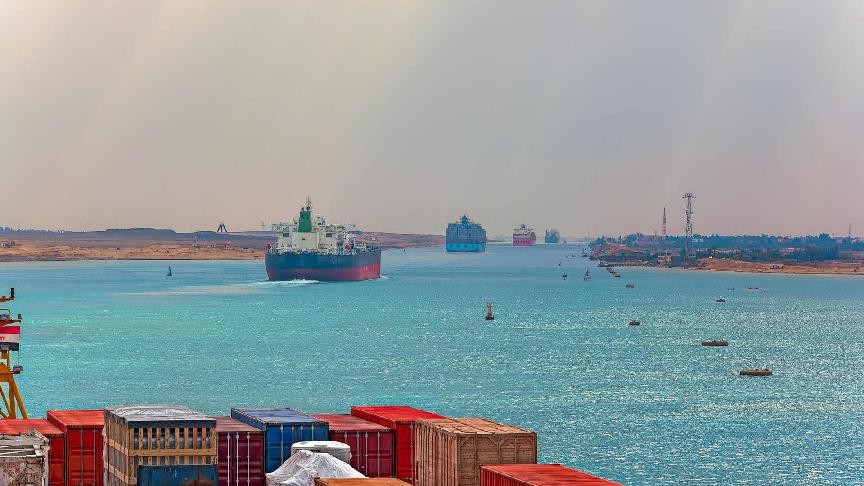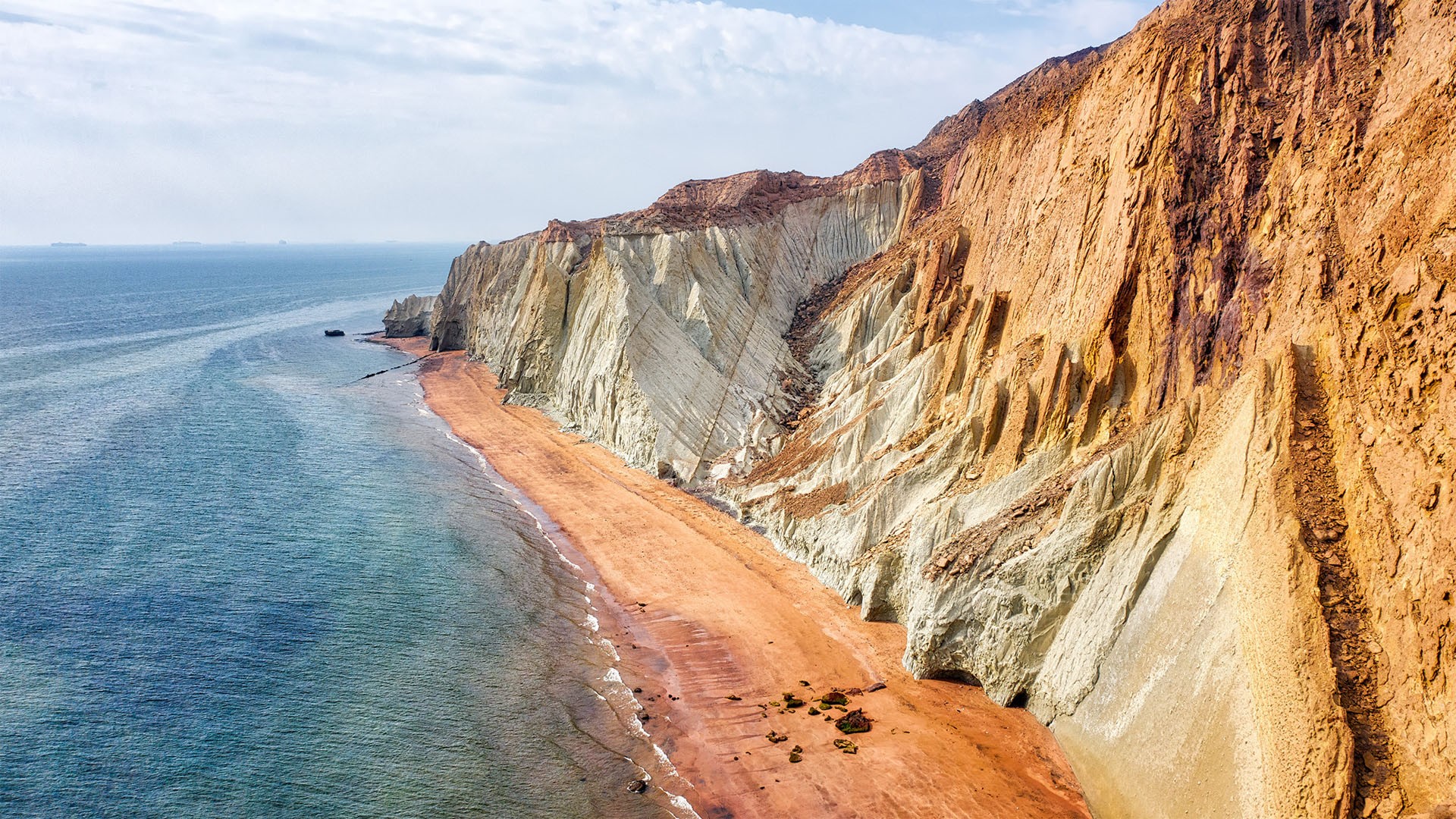

IRAN and Oman have edged towards an interim agreement on managing shipping through the Strait of Hormuz, offering the first tangible sign of diplomatic progress in weeks, even as Tehran insists the strategic waterway will remain effectively closed until broader disputes with Washington are resolved.
The tentative breakthrough came as the United Arab Emirates issued a fresh letter to the International Maritime Organization condemning what it described as Iran’s continued “outrageous attacks” on commercial shipping and demanding an end to actions that threaten freedom of navigation.
In a joint statement issued following talks in Tehran between Iranian Foreign Minister Abbas Araghchi and Omani Foreign Minister Sayyid Badr Albusaidi, the two sides said they had discussed an interim framework to establish a temporary maritime corridor and undertake mine clearance operations to restore safe navigation through the strait.
The statement said technical negotiations would continue on a permanent navigational corridor, future administration of the strait, traffic management arrangements and the provision of maritime security services.
Albusaidi said he was hopeful that a temporary shipping corridor and practical arrangements for restoring navigation could be announced soon.
Any agreement between Tehran and Muscat would mark the first diplomatic progress since negotiations over Hormuz stalled following the collapse of a June MOU between Iran and the US last month. Diplomats hope an interim arrangement could provide a pathway back to broader US-Iran discussions aimed at ending months of confrontation over the waterway.
However, Iranian officials were quick to dampen expectations that the discussions would result in an immediate reopening of the strait.
Deputy Foreign Minister Kazem Gharibabadi said the understanding reached with Oman related only to a temporary navigation framework and should not be interpreted as a restoration of normal shipping flows.
Under the proposed arrangement, vessels entering the Gulf would pass through Iranian territorial waters, while outbound traffic would transit through Omani waters. Gharibabadi said the temporary corridor would be approximately seven nautical miles wide and remain in place while the two countries negotiate a permanent maritime traffic scheme over the next 30 to 60 days.
“From a military standpoint, the Strait of Hormuz is closed,” Gharibabadi told Iranian state television, adding that only commercial vessels would be permitted to transit and that military ships would not be allowed through the waterway.
He also reiterated Tehran’s position that any broader reopening remains contingent on Washington meeting Iranian demands under the now-defunct memorandum of understanding.
The comments highlight the limits of the Iranian-Omani talks. While Muscat and Islamabad have continued mediation efforts, analysts cautioned that an agreement between the two littoral states alone is unlikely to restore normal traffic without parallel progress between Tehran, Washington and other Gulf states.
The diplomatic developments came as tensions between Iran and the US intensified. President Donald Trump this week claimed the US Navy had removed or detonated all mines in the strait and warned that any vessels laying new mines would be “immediately and systematically destroyed”.
Iran rejected those claims. Gharibabadi said only Iran knew the location of mines in the waterway and questioned Washington's assertion that demining operations had been completed.
The US comments followed a new round of sanctions aimed at increasing economic pressure on Tehran. Treasury Secretary Scott Bessent warned that countries maintaining financial partnerships with Iran risked economic isolation, prompting China, the largest buyer of Iranian oil, to condemn what it described as unlawful unilateral sanctions.
Financial markets responded positively to signs of diplomatic movement. Brent crude fell for a third consecutive day, extending weekly losses to around 8% as traders assessed the possibility that some shipping flows through Hormuz could eventually resume.
Meanwhile, regional opposition to Iranian actions intensified.
In a letter circulated to IMO member states on Monday, the UAE condemned Iran’s continued attacks against commercial vessels in and around the Strait of Hormuz, arguing that they violate international law and breach UN Security Council Resolution 2817.
The UAE said Iran had ignored repeated demands from the IMO Council to refrain from actions aimed at obstructing navigation through the strait and had instead escalated attacks against merchant shipping.
“These attacks pose a severe risk to the safety of seafarers, safety of navigation, and the marine environment,” the letter stated, demanding that Iran immediately cease attacks on commercial vessels and uphold freedom of navigation.