
THE location of Greece at the crossroads of three continents has generally served the country’s port sector well, and a privatisation programme pursued in recent years has brought much-needed investment for some of the main hubs.
But geopolitics can cut both ways and there are several questions hanging over the sector, including scrutiny of the longer-term results from selling off key ports.
On the surface, the country’s top ports have been performing impressively in the face of market challenges not of their own making.
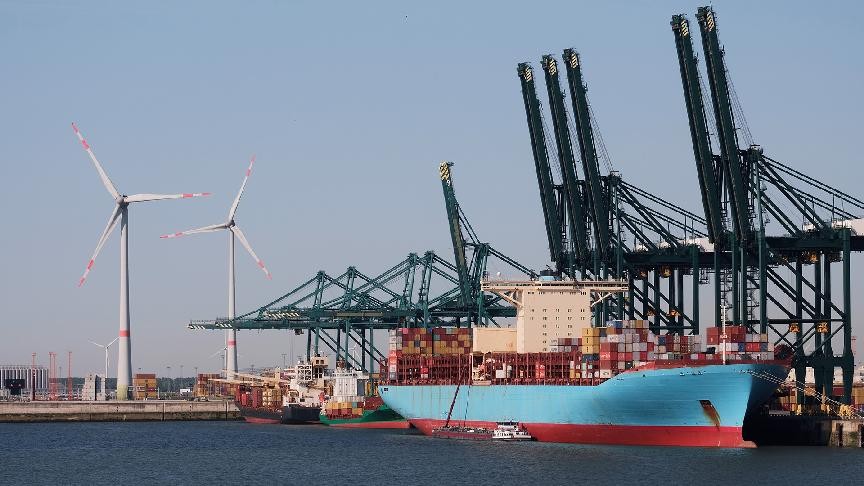
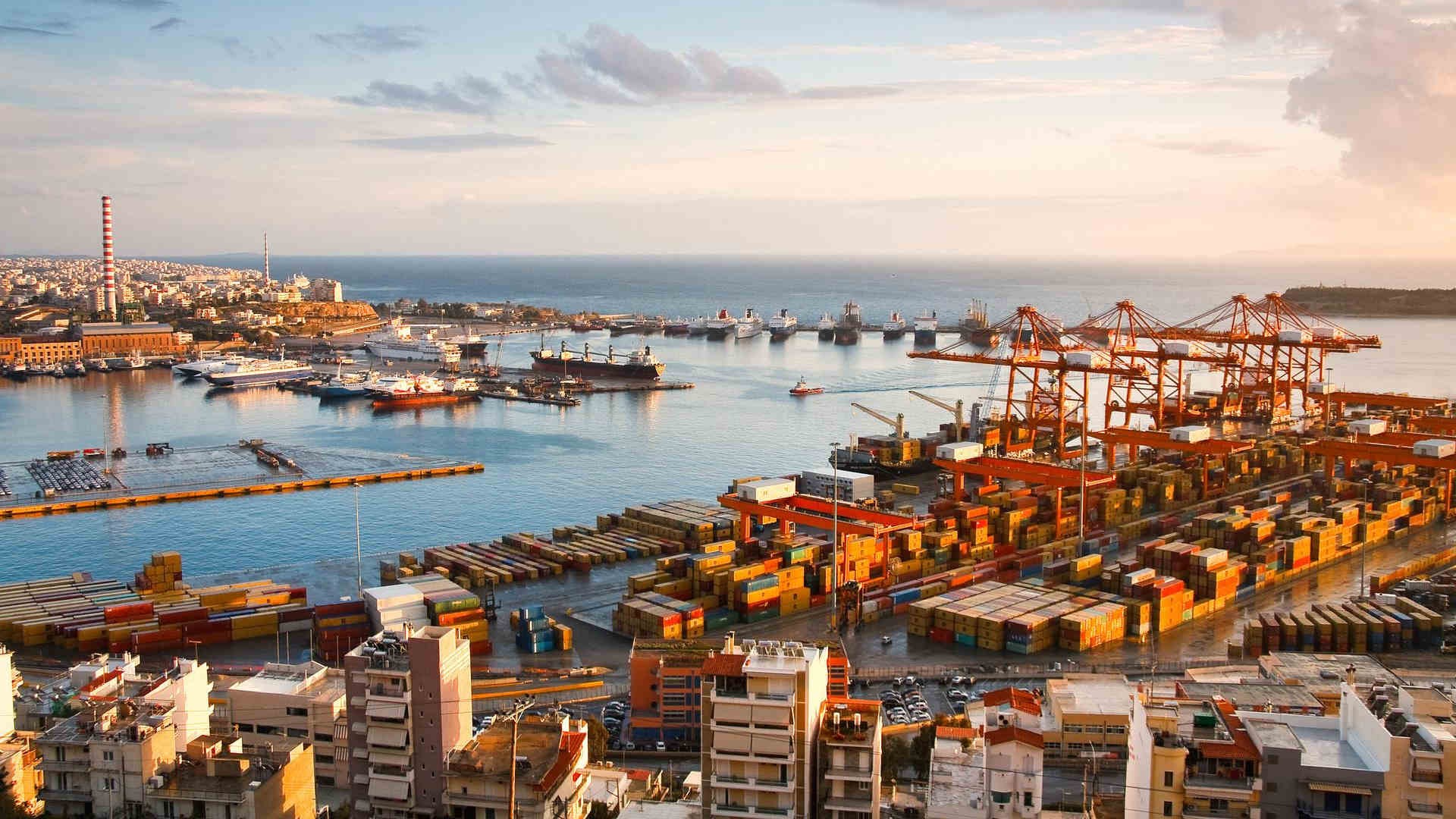
Piraeus, the country’s largest port and the first major European hub west of Suez, has seen container traffic hit by rerouting of trade due to threats against shipping by the Yemen-based Houthis.
Revenues increased by 8.6% to a record €250.8m ($292m) in 2025 and the port authority, which is majority-owned by Chinese shipping and terminals giant Cosco, posted strong profits. This was despite a drop in overall container throughput, which slipped to 4.6m teu, compared with a current handling capacity of 7.2m teu, which is being expanded to 10m teu annually.
Thessaloniki, the largest port in northern Greece, also hit all-time highs in revenue as well as profitability last year. The port, now controlled by private companies led by Greek-Russian interests, has a clear strategy of becoming a leading transport hub for southeast and central Europe and its plans include constant strengthening of intermodal links with regional markets and a doubling of its container capacity.
“We were the last ones in Europe to have private sector involvement in the port sector, so that had to be done,” said Thanos Pallis, an internationally recognised expert on ports and a professor of Port & Maritime Economics and Policy at the University of Piraeus.
“For me, competition is central and the outcome of selling the port authorities has been that instead of the old state monopoly, we have now created private monopolies in different parts of the country. That’s not really positive.”
According to Pallis, there is widespread recognition that under their new ownerships, the ports have improved services and are performing much better than of old.
“I hear a lot about the improvements that have been made, but port users are also complaining about higher costs and that they have become expensive ports. We have seen vast improvements in financial performance, but not so much growth in cargo.”
In Pallis’ view, too, Greek ports remain behind the leading European gateways in exploiting the potential of modern technology, such as drones and energy transition-linked investments.
“We need to modernise the Greek port system, and we are in a situation where the absence of competition is not helping,” he said.
That question has assumed geopolitical dimensions in Piraeus, where Chinese control of the port has attracted the ire of the Trump administration. The Greek government recently refused to renege on its agreements with Cosco, so Washington has set its sights on a rival facility being developed in nearby Eleusis.
“This is important and one of the major things in the sector right now,” said Pallis. “We don’t have any ultimate decision yet, but there is interest by the Americans to invest and the government is taking a positive view.”
Pallis believes that any new port development that comes out of discussions is likely to take time and may garner only “moderate traffic”.
But the vision is not confined to transport, and includes US plans for energy and military logistics. Those other aspects could be scaled up and implemented much more quickly, he said.
This article is part of Lloyd’s List’s ‘Greece 2026’ special report to be distributed at Posidonia 2026. Make sure to visit the Lloyd’s List Intelligence team in Hall 2, Booth 2.203