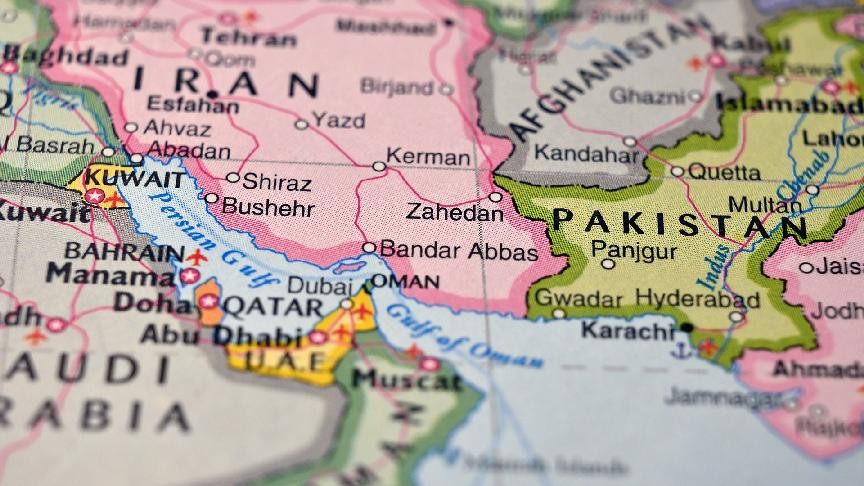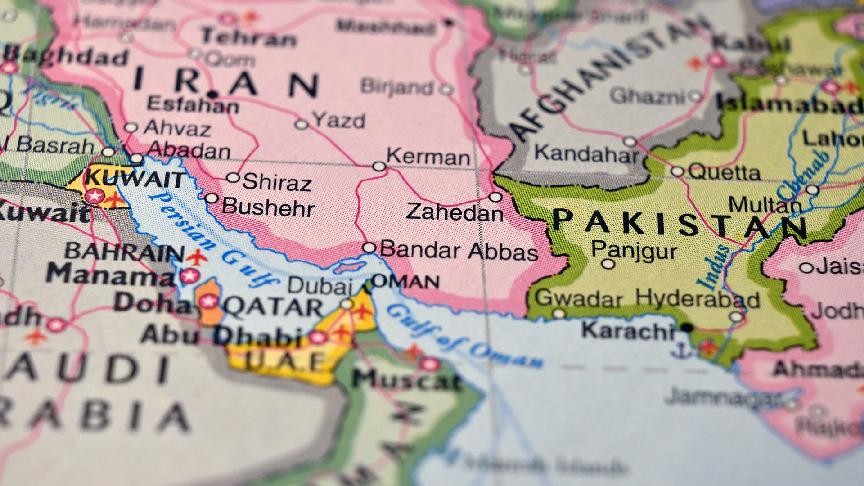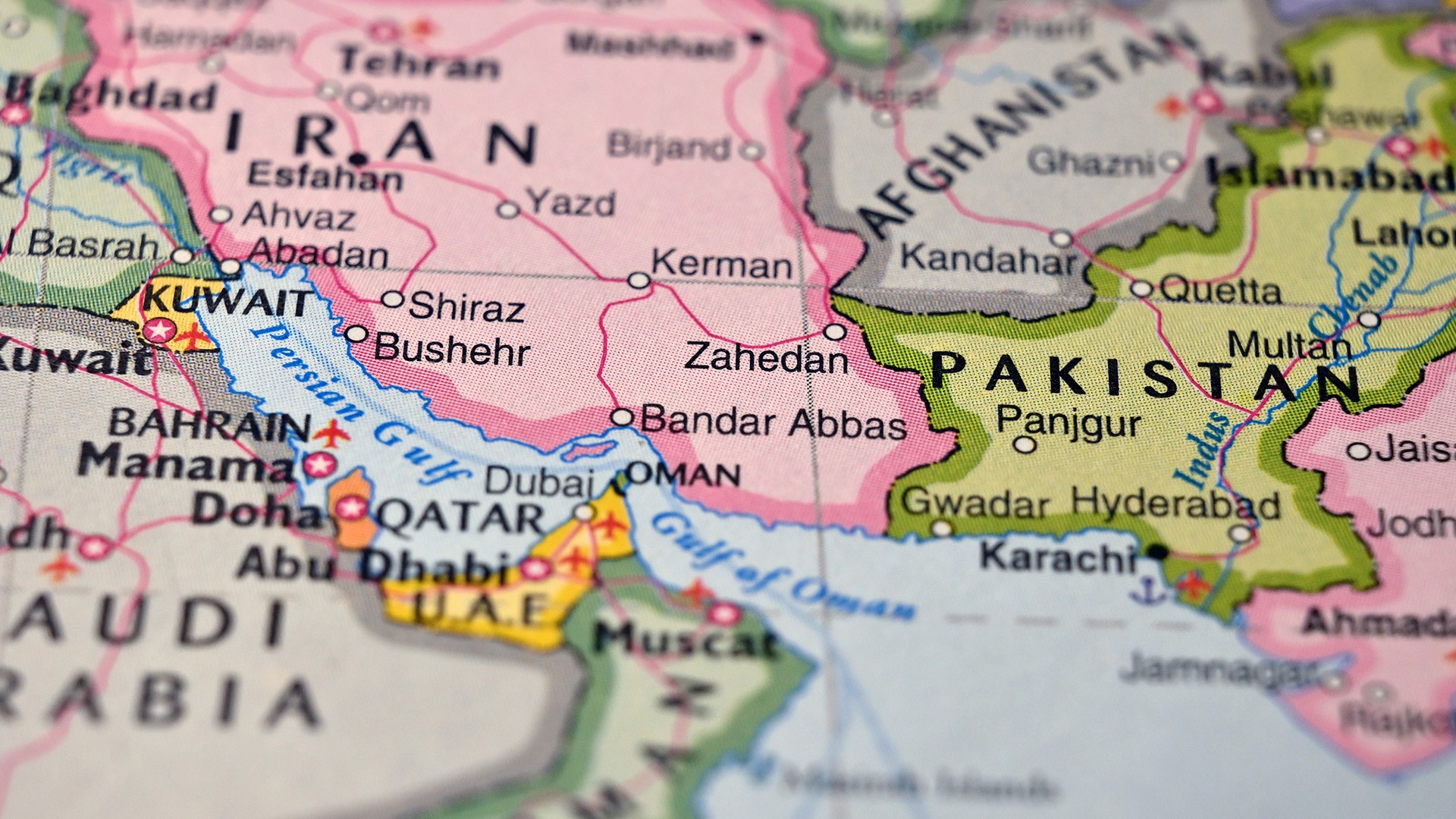

IRAN has struck another commercial tanker in the Strait of Hormuz, underscoring mounting industry concerns that no transit route through the region can be considered safe as attacks on merchant shipping continue to escalate.
The latest incident involved the Togo-flagged product tanker Trend (IMO: 9477177), which was hit by a projectile on September 17 while transiting eastbound through the southern, Omani side of the Strait of Hormuz. The vessel reportedly suffered damage and a fire on board, forcing it to halt its voyage.
Iranian authorities publicly acknowledged the attack, alleging the tanker had attempted to transit without authorisation. The ship does not feature on the list of 77 vessels included on Iran’s Persian Gulf Strait Authority black list.
Maritime security sources said the vessel had reportedly been operating with its Automatic Identification System switched off.
The strike is significant because it shows that vessels using the southern transit corridor, which some operators have viewed as offering a degree of separation from Iranian forces, remain vulnerable to direct action.
Security advisers warned masters to continue following the coordination procedures issued by Naval Cooperation and Guidance for Shipping (NCAGS) and US Naval Forces Central Command (NAVCENT), and not assume that routing through the southern corridor alone provides protection from interdiction.
Trapped in geopolitical disputes
The latest attack comes as shipping industry leaders stepped up diplomatic pressure on governments and the United Nations to restore freedom of navigation through some of the world's most strategically important waterways.
Addressing an Arria-Formula meeting of the UN Security Council convened by Bahrain this week, International Chamber of Shipping secretary-general Thomas Kazakos warned that commercial shipping was increasingly becoming trapped in wider geopolitical disputes.
“The ability of commercial ships to navigate international waterways safely, predictably and without unnecessary impediment is crucial to international maritime law and to the global trade system,” he told delegates. “Shipping must not be held to ransom.”
Kazakos said the disruption in the Strait of Hormuz had been “extraordinary”, stressing that the waterway carries roughly a quarter of global seaborne oil trade as well as significant LNG and fertiliser volumes.
He warned that international straits could not become places where merchant vessels were required to seek permission, negotiate passage or accept arbitrary restrictions because of political tensions.
“Commercial vessels and their crews must not become collateral to wider political or military disputes,” he said.
Human toll
The human toll of the conflict is also continuing to rise.
Peninsula Petroleum this week confirmed that a missing crew member from its Gibraltar-flagged bunker tanker Hercules Star (IMO: 9916135) has been found dead following an incident off Dubai on September 9. The vessel was reportedly damaged while at anchor during a period of heightened attacks against shipping in the Middle East Gulf.
The latest fatality follows the company's earlier confirmation that one crew member had already been killed in the incident. All remaining crew members have now been repatriated.
The growing loss of life prompted a fresh intervention earlier this week from International Maritime Organization secretary-general Arsenio Dominguez, who warned member states that innocent seafarers were increasingly paying the price for conflicts beyond their control.
According to figures cited by Dominguez, 22 seafarers have already been killed in attacks linked to the Strait of Hormuz crisis, with the total potentially rising further if recent incidents are confirmed. He also highlighted renewed Houthi attacks in the Red Sea and a resurgence of Somali piracy, with 71 crew members still being held hostage.
“We are reaching a point where these conflicts are being used as a pretext to attack any merchant vessel and to attack innocent seafarers,” Dominguez said.
The deteriorating security picture is also driving calls for greater naval protection of merchant shipping beyond the Middle East Gulf.
Italian defence minister Guido Crosetto on Friday urged a stronger military presence in the Red Sea and Bab el Mandeb after recent Houthi advances along the Yemeni coast increased pressure on another key maritime chokepoint.
Crosetto said existing European efforts were insufficient and called for additional naval assets to protect commercial traffic, arguing that security responses could not be held back by “European bureaucracy”.
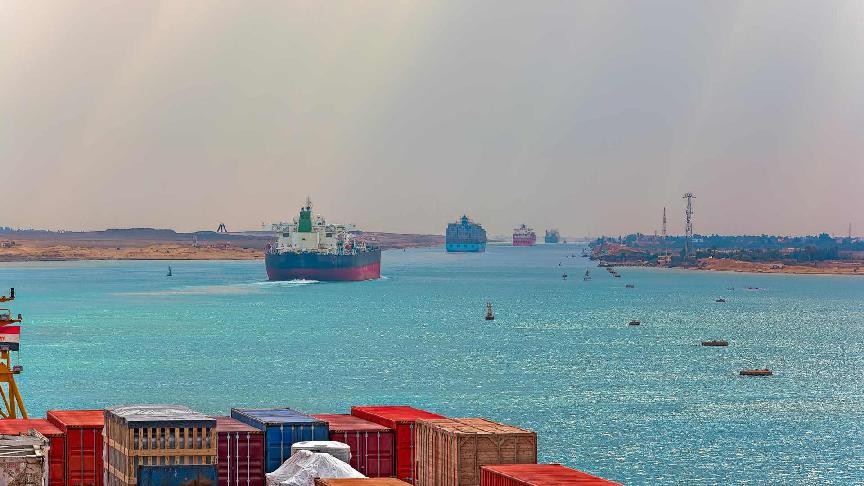
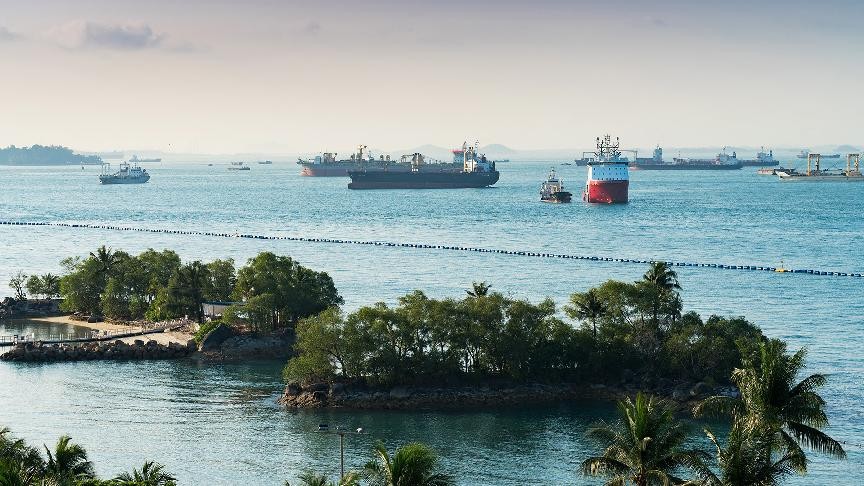
The intervention highlights growing concern among governments that shipping disruption is no longer confined to a single theatre. Attacks in the Strait of Hormuz, renewed insecurity in the Red Sea and Bab el-Mandeb, piracy off Somalia and continued risks in the Black Sea are collectively straining the international maritime system.