ATTACKS on commercial shipping around the Strait of Hormuz have already reached a record monthly high just halfway through October, reinforcing evidence that Iran’s strategy is increasingly aimed at making the waterway unsafe for any vessel attempting passage without Tehran’s consent.
At least 26 attacks or other security incidents involving commercial vessels have been recorded in the first 15 days of October, surpassing every previous monthly total since the US-Iran war began on February 28.
The escalation has also widened beyond tankers. Containerships, bulk carriers and gas carriers are increasingly being caught in attacks, while recent incidents have extended beyond the strait itself and included vessels at anchor.
The trend challenges suggestions that Iran is primarily targeting the US-protected shuttle tanker system established to keep Middle East Gulf oil exports flowing.
While July and August saw a clear shift towards attacks on shuttle tankers, analysis of incidents since February shows vessels with no obvious connection to those operations continue to be struck.
Security analysts argue Tehran’s broader objective is to sustain uncertainty and demonstrate that it retains the ability to attack vessels across different ownership, cargo and trading patterns.
“It’s pointless trying to splice and dice the risk to vessels sailing the southern route by country affiliations, type or other factors,” said Arran Kennedy, maritime analyst at the intelligence and security firm Control Risks, speaking on the Lloyd’s List Week in Maritime Intelligence webinar on Thursday.
“If you’re sailing the strait without Tehran’s permission, you face extreme risk of Iranian attack.”
Most attacks have occurred along the southern Omani transit corridor increasingly favoured by ships seeking to avoid Iranian territorial waters.
The October escalation has nevertheless raised questions over whether some companies are being singled out.
Three containerships linked to UAE-based GFS Ship Management, which is in turn owned by AD Ports Group, were struck on October 13.
The 2,824 teu GFS Pride (IMO: 9349045) subsequently sank after being hit and catching fire. All 21 crew were evacuated safely.
The 4,350 teu GFS Giselle (IMO: 9704661) suffered hull damage but reached a safe anchorage under its own power, while Al Saadiyat (IMO: 9760598) sustained minor damage and continued its voyage.
Maritime security consultancy Marisks said the cluster raised the possibility of operator-linked targeting, although there was no evidence establishing deliberate selection.
Data from the Maritime Intelligence Unit at Lloyd’s List Intelligence shows a recent uptick in containership transits through the Strait of Hormuz has been driven almost entirely by vessels linked to AD Ports Group feeder operations.
AD Ports Group have not responded to Lloyd’s list requests for comment.
Product tanker Alfonso (IMO: 9256298) was also struck on October 13, while crude tanker Gol (IMO: 9325049) abandoned an inbound passage after reportedly being hailed by the Islamic Revolutionary Guard Corps.
Those incidents underline the range of tactics now being used, from projectile and drone attacks to surveillance, interception and VHF threats.
They also demonstrate the limited protection offered by switching off automatic identification system signals. Alfonso, GFS Giselle and Al Saadiyat were all reportedly operating with AIS inactive when attacked.
The consequences are becoming increasingly severe. Cape Dao (IMO: 9219020), hit by two projectiles on September 23 in an attack that killed one seafarer, has subsequently sunk after salvage efforts failed.
Meanwhile, attacks around the region have spread beyond Hormuz. Two commercial vessels were reportedly hit during air strikes against Yemen’s Ras Isa port on October 13, although the circumstances and extent of the damage remain unconfirmed.
The deteriorating security picture comes as Middle East Gulf oil exports had started to recover towards pre-war levels over recent weeks, making Iran’s ability to impose continuing risk on shipping increasingly important to Tehran’s leverage.
Even a relatively small number of successful strikes could undermine the shuttle tanker arrangements supporting that recovery.
“The shuttle system is clunky and inefficient but also, with a few tankers a week being taken out of action, simply unsustainable,” Kennedy said.
Hormuz ship attacks hit record as Iran broadens campaign against commercial shipping
At least 26 attacks or security incidents were recorded in the first half of October, already the highest monthly total since the war began
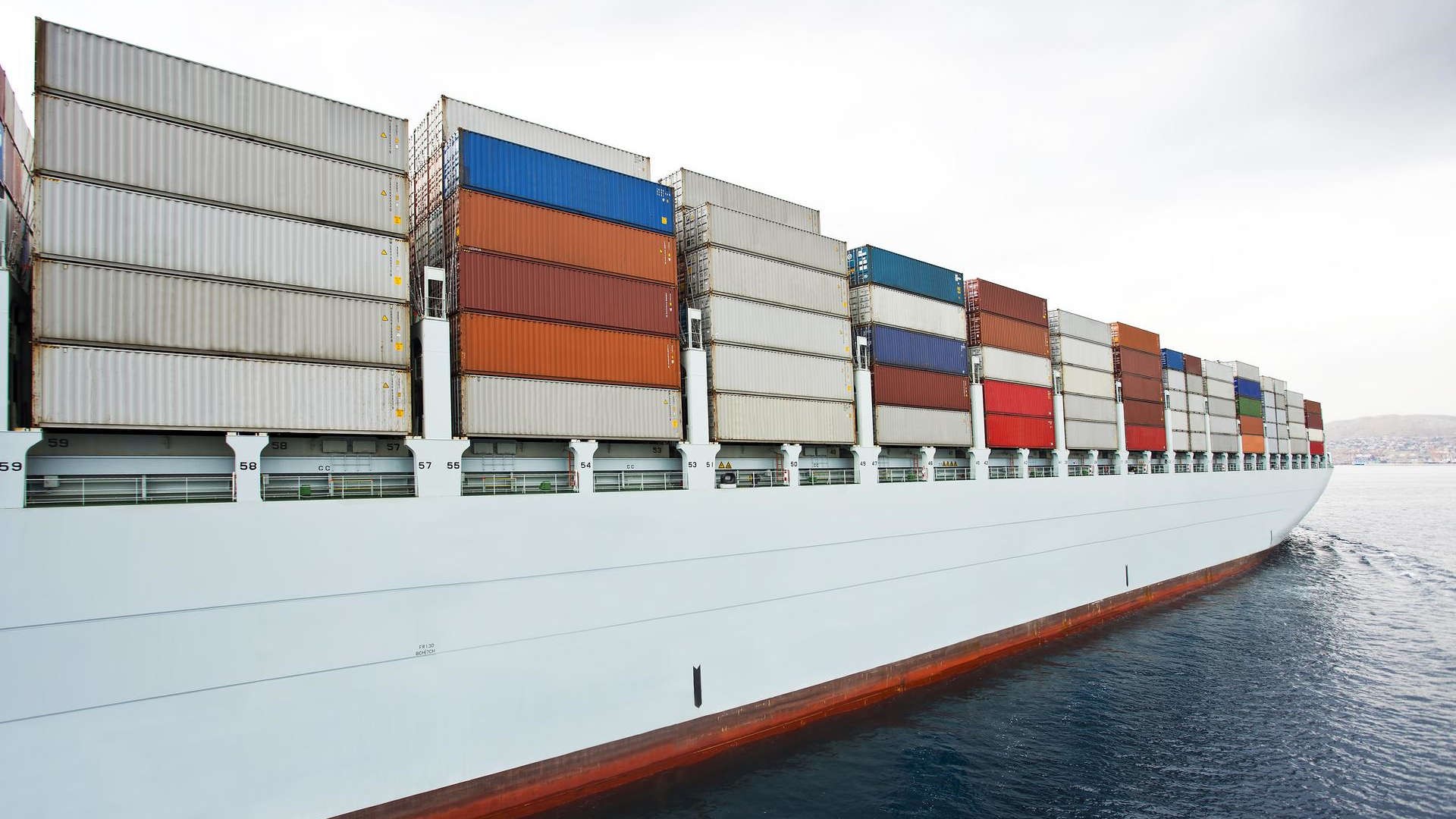

Source: Lloyd's List

Related articles
Sea newsAsia-Pacific piracy and robbery incidents decline in first three quarters of 2026
Sea newsBattery-powered fleet expands as deepsea sector awaits breakthrough
Sea newsRed Sea container transits hit post-crisis high as carriers accelerate return
Sea newsChinese-operated containership fired upon off Yemen as Red Sea security concerns intensify
Sea newsStrait of Hormuz: Three container ships reportedly targeted in separate incidents
Sea newsUAE gateway congestion drives Middle East cargo flow realignment