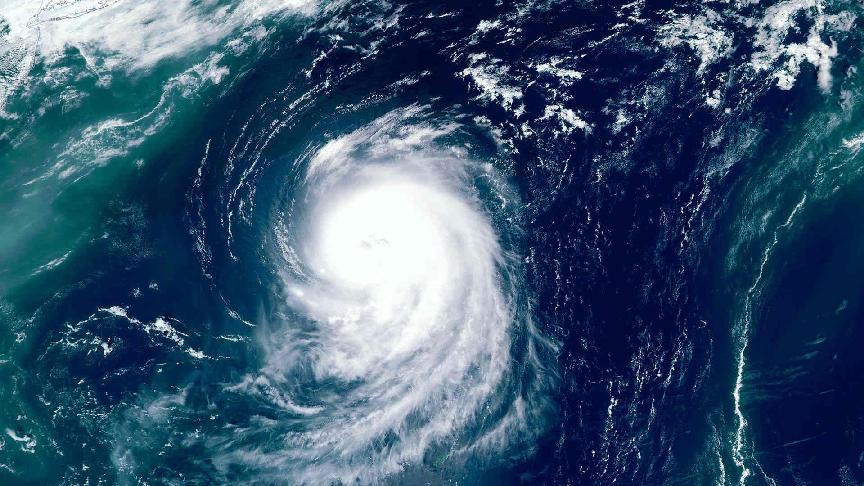

The latest forecasts suggest that the 2026-27 El Niño cycle could become one of the strongest seen in decades, reviving concerns across container shipping just as trade lanes are already under pressure from geopolitical disruption and tight canal capacity.
According to the latest June outlook from the US National Oceanic and Atmospheric Administration (NOAA) Climate Prediction Center, El Niño conditions are now present and expected to strengthen through the Northern Hemisphere winter 2026-27, with a 63% probability of reaching “very strong” status during November-January. NOAA also indicates that such an event could rank among the most intense since records began in 1950, underscoring the serious risk to maritime supply chains.
Panama Canal risk moves back into focus
For container shipping, the biggest concern remains the Panama Canal. El Niño has historically been linked to lower rainfall in Panama, reducing water availability in Gatun Lake and increasing the likelihood of draft and transit restrictions. That risk is no longer theoretical. The Panama Canal Authority has already announced that the maximum authorised draft for Neopanamax vessels will be reduced to 49.5 feet from July 3, a preventive measure designed to conserve water amid rising weather uncertainty.
The strategic challenge is amplified by the canal’s already elevated traffic base. BIMCO reports that Panama Canal transits are up 8% year on year in 2026 to an average of 38 vessels per day, close to practical maximum capacity, while waiting times have also increased. In that environment, any weather-related tightening quickly translates into congestion and schedule disruption.
The likely impact on container shipping is therefore twofold. First, carriers may face operational inefficiencies at the canal itself, including tighter slot competition, lower load factors and more volatile transit planning. Second, networks may need to absorb rerouting via the Suez Canal, Cape of Good Hope, intermodal landbridge options or alternative transshipment strategies, depending on trade lane economics and service commitments. For shippers, this increases the risk of longer lead times, missed connections and short-notice changes in routing.
Commodity flows could also come under pressure
Beyond containers, El Niño also affects the commodity mix moving through global supply chains. Agricultural commodities are especially exposed because shifting rainfall patterns can affect crop output in Asia-Pacific producing regions. Forecasts and historical analogues point to higher drought risk in parts of Southeast Asia and disruptions to monsoon-dependent production in India and Australia, which could influence volumes of grains, soybeans, sugar and other weather-sensitive bulk and breakbulk cargoes.
Soft commodities and food supply chains may also feel indirect pressure through reduced harvests, quality variability and shifts in sourcing patterns. For shippers, that can mean more volatile freight demand, changing seasonal peaks and greater difficulty aligning procurement, inventory and transport planning.
With the Panama Canal already handling high volumes of tanker, LPG and related energy traffic, competition for canal slots may intensify further if weather restrictions deepen.
Why shippers need to prepare early
For shippers, the practical takeaway is not simply that El Niño may disrupt shipping, but that it raises the probability of compound disruption. A strong event could coincide with already fragile network conditions, limited spare capacity at key chokepoints and continued geopolitical rerouting in energy markets.
In this setting, procurement teams and logistics managers may need to review routing flexibility, inventory buffers, booking lead times and carrier diversification earlier than usual.
El Niño is no longer just a meteorological watch point, but an emerging commercial risk for global trade. If current predictions hold, container shipping could once again find itself balancing canal constraints, network redesign, and shifting commodity flows.
The coming months will determine whether preventive measures are enough to avoid a repeat of the severe disruption seen during the last drought cycle, but the market is already being forced to prepare.