
As the global container industry enters 2026, the Journal of Commerce reports that the central story is the growing difficulty of maintaining reliable service across increasingly stressed networks.
What once were cyclical disruptions have hardened into persistent structural pressures, reshaping how shippers, carriers, and ports must plan and operate.
The disruptions of recent years - geopolitical tensions, shifting trade patterns, and climate-driven events such as the Panama Canal drought - have created a baseline of unpredictability.
Blank sailings, last-minute schedule changes, and cargo rollings are no longer exceptions but recurring features of global operations. Rather than easing, global supply chain friction is edging back toward levels last seen during the pandemic.
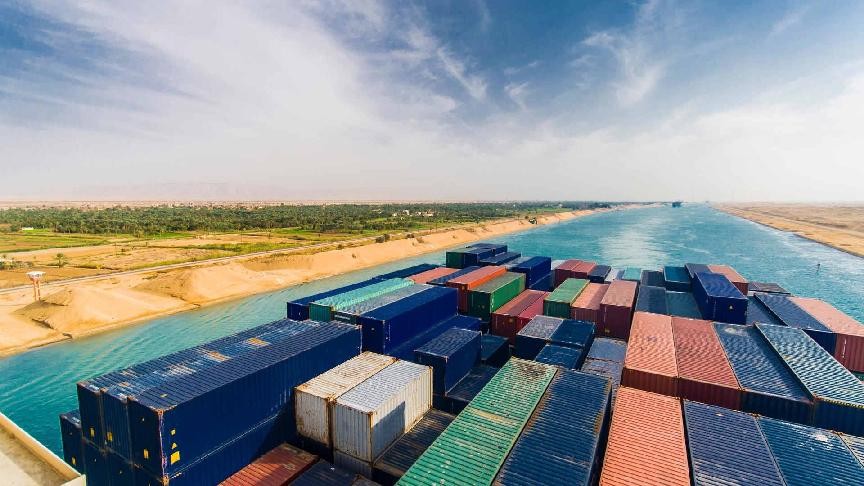
A 2026 return to the Red Sea is expected, but a rapid shift back to the Suez Canal would send large vessel volumes into already‑strained European hubs.
As Suez‑routed ships overtake those still sailing around Africa, Europe — and to a lesser extent the U.S. East Coast — will face significant vessel bunching and congestion that could take months to unwind, causing declining schedule reliability, port omissions, and pressure on inland logistics.
A return to Suez may also trigger disruptions at Northern European ports with ripple effects across other trade lanes.
Although shippers may welcome shorter transit times, many still prefer the stability of longer Cape routings. A sudden reopening would release substantial effective capacity, prompting blank sailings, slower speeds, and extended schedule disruptions.
Port congestion becomes a system-wide constraint
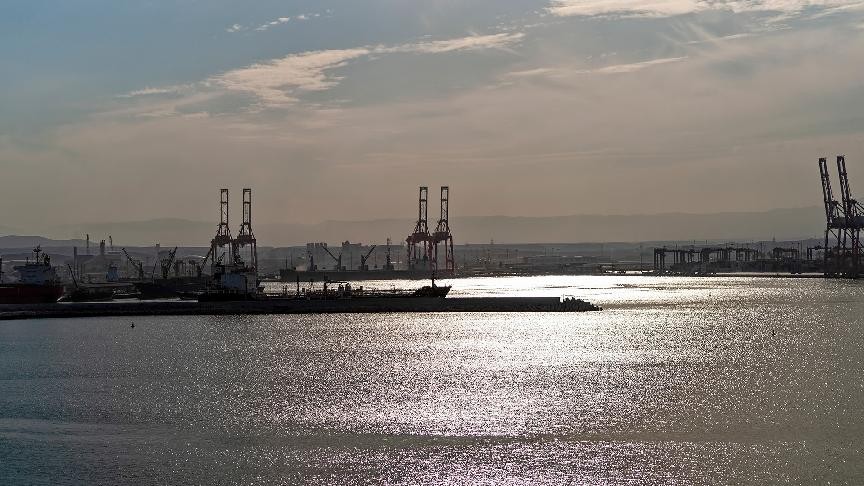
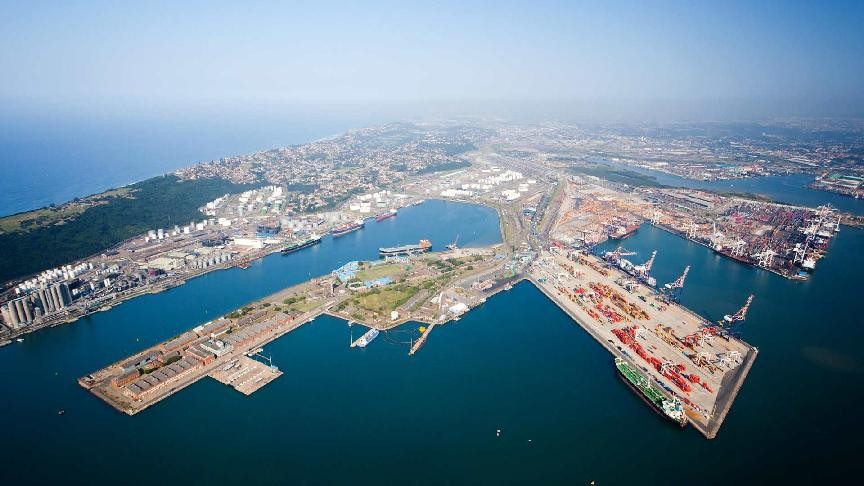
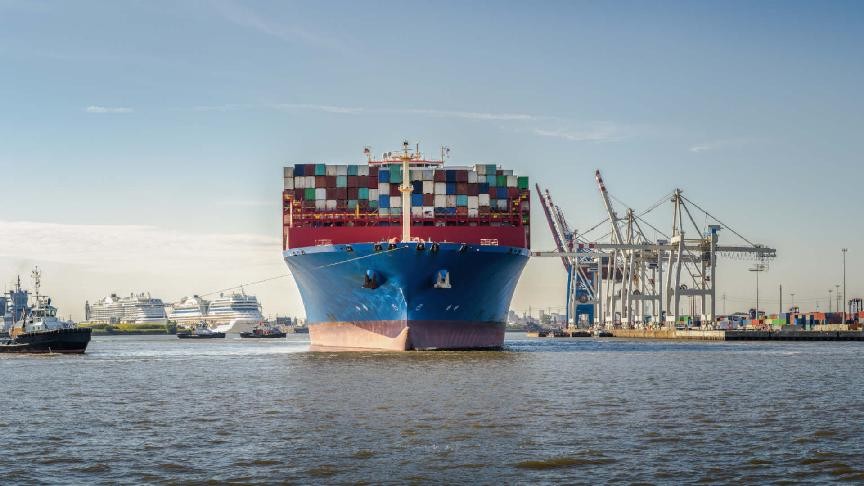
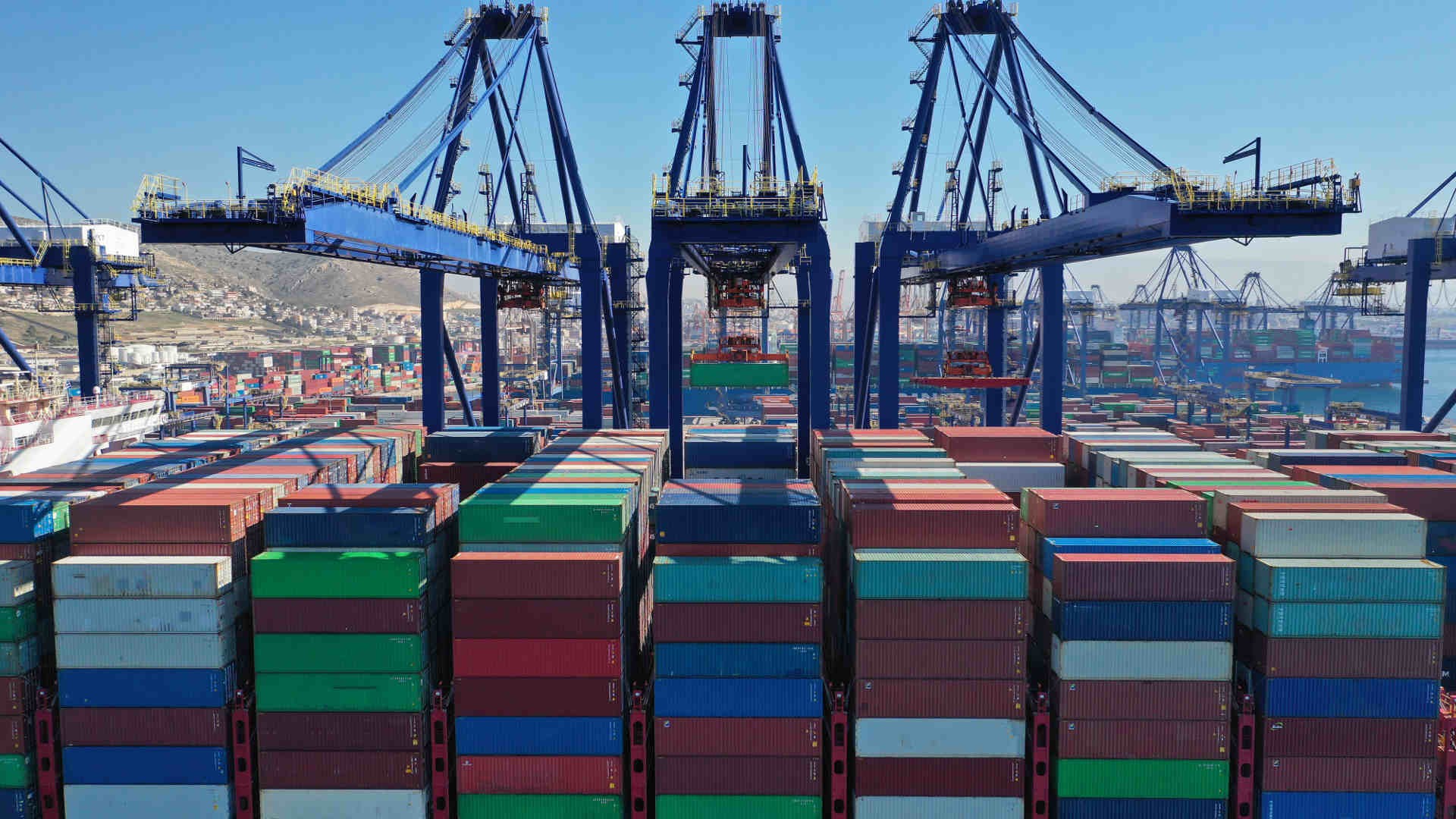
Port infrastructure remains a critical bottleneck. The arrival of ever larger vessels continues to outpace terminal capabilities, resulting in longer berth stays and slower crane productivity.
These limitations compound congestion and create ripples across entire service networks. In regions such as Northern Europe, frequent labor disputes, inland waterway constraints, and long-term infrastructure gaps are expected to increase the likelihood of ongoing delays throughout 2026.
With a significant amount of new tonnage entering the market, carriers are expected to employ more assertive capacity management tactics.
Capacity management will directly influence reliability
These measures, including blank sailings, idling vessels, and slow steaming, help carriers balance their networks but add variability to transit times and increase the risk of allocation shortfalls for shippers. For many supply chains, reliability will likely deteriorate before it improves.
Negotiations for 2026–27 contracts will focus heavily on operational predictability. Schedule reliability, flexibility regarding minimum quantity commitments, and transparency in capacity deployments will be key.
As sourcing continues to shift to Southeast Asia and the Indian subcontinent, shippers are also seeking clearer assurances that capacity will match the growing importance of these hubs.
Resilience and adaptation
According to the Journal of Commerce, the coming year marks a turning point for global ocean logistics. With mounting structural pressures and limited near-term relief, the industry must navigate a landscape in which reliability cannot be taken for granted.
Companies that invest in resilient planning, diversified routing options, and stronger carrier partnerships will be better equipped to handle the ongoing volatility.