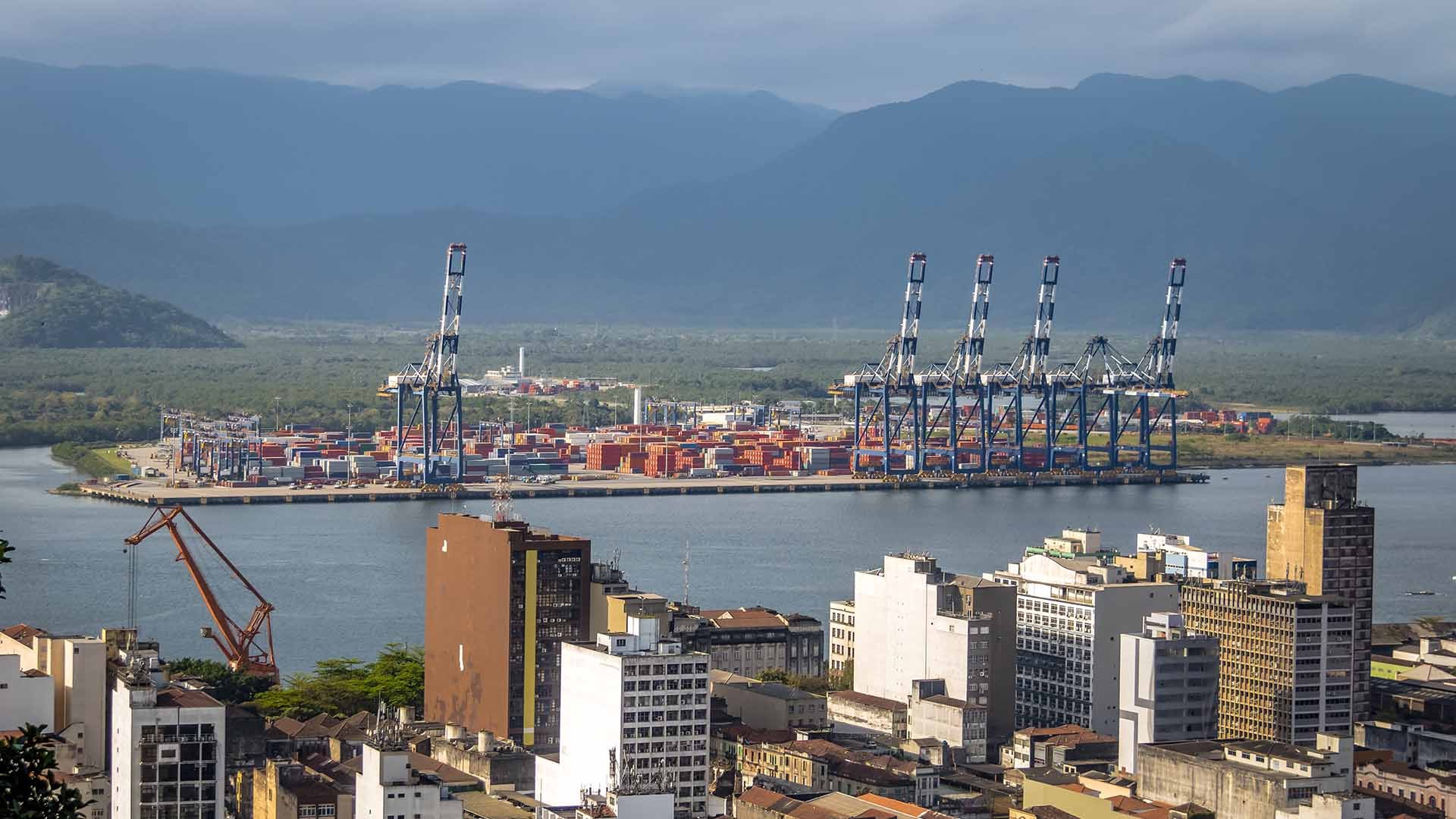

MAERSK and other shipowners will not be able to bid to run the new Tecon-10 terminal at the Port of Santos, Brazil, unless no viable bids are received in the first stage of the auction.
Brazil’s Federal Court of Accounts (TCU) voted six votes to three to recommend that shipowners be barred from the first round of a two-phase auction.
This is an alteration to the original plan of Brazil’s port regulator Antaq, which proposed that existing operators at Santos be excluded from the first phase of the auction. Maersk unsuccessfully challenged this process in the Brazilian courts earlier this year.
Under TCU’s proposed process, shipowners, such as Maersk or MSC, which operate other terminals at Santos, would only be able to bid if no viable bids are received in the first phase of the auction.
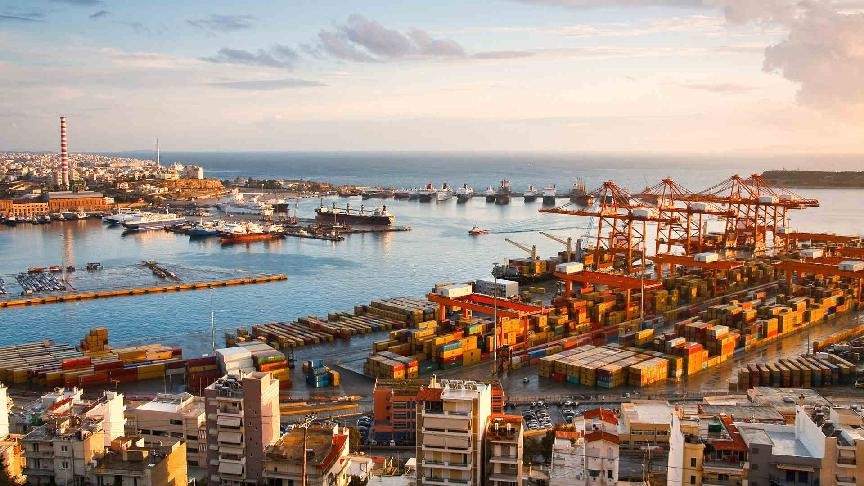
The Tecon-10 terminal is expected to add more than 3m teu of capacity to the port. The tender process was supposed to begin in 2025, but legal challenges (including from Maersk) have led to a delay.
Antaq’s concern centered around the vertical integration of container terminals, which the court acknowledged can restrict competition and lead to higher logistics costs.
The court supported Antaq’s two-stage bidding process with the recommended change the exclusion from incumbent operators to shipowners.
The successful bidder will also have to build a railway yard with a throughput capacity of 900 teu per day.
In a statement given to Lloyd’s List, Maersk said it had “advocated for clear rules” in the tender process from the beginning, “guaranteeing free competition and reflecting the competitiveness of this strategic asset for the country”.
“Vetoing the participation of companies with extensive international experience, responsible for managing some of the world’s most efficient ports — against all technical studies from various Brazilian state agencies — weakens legal certainty and national institutional framework, significantly reducing the project's potential in the largest port in Latin America,” the Danish giant said.
The auction model recommended by TCU violated constitutional principles of equality and legality and went against the analysis of Antaq and other Brazilian ministries, Maersk said.
This is the second legal defeat Maersk has faced in the container terminal space in quick succession.
In October, a South African judge dismissed a challenge by Maersk’s terminal operator arm APM Terminals’ challenge for the tender of Durban’s new container terminal.
APMT’s challenge centred around the calculation of competitor International Container Terminal Services’ solvency ratio, which differed from other candidates.
But Judge Mahendra Chetty said that to disqualify ICTSI would mean disqualifying “a meritorious tenderer and open the way for a significantly lower bid to have prevailed”.