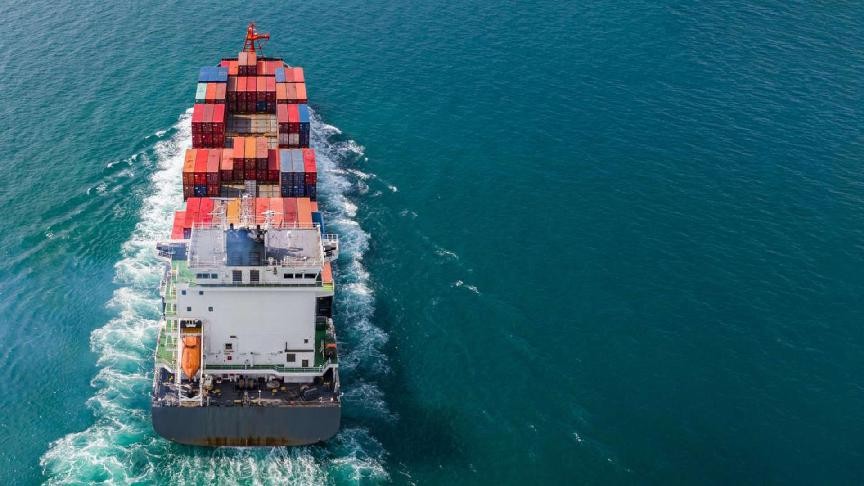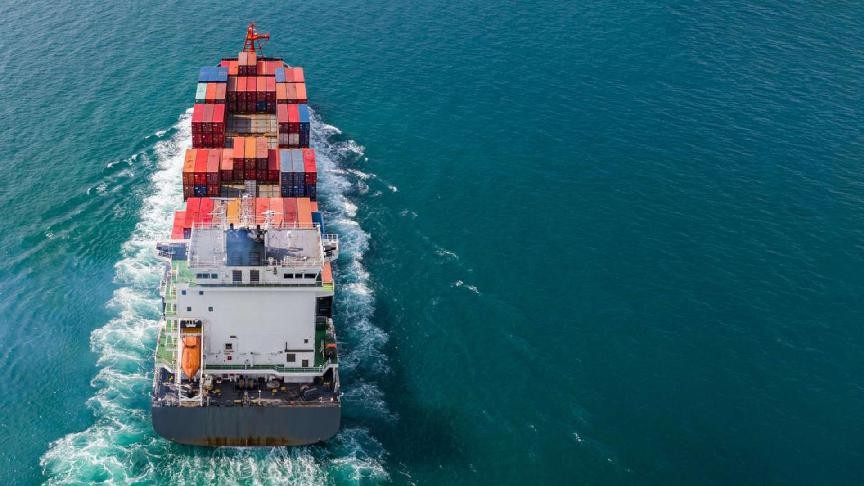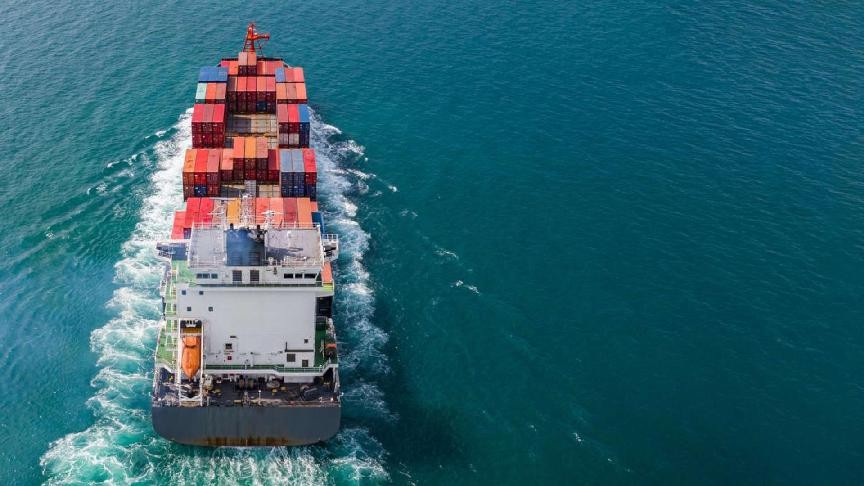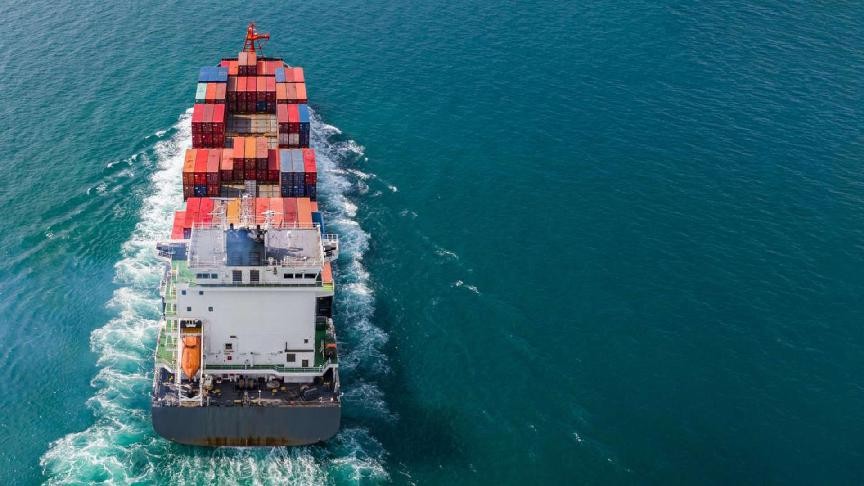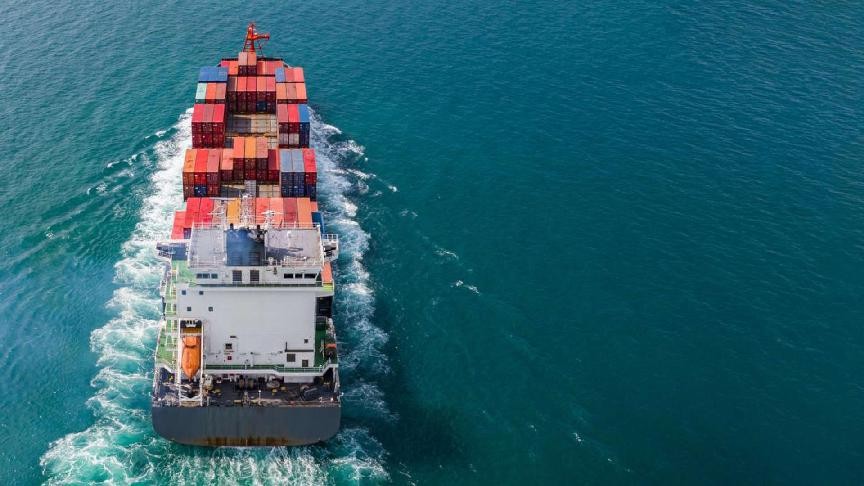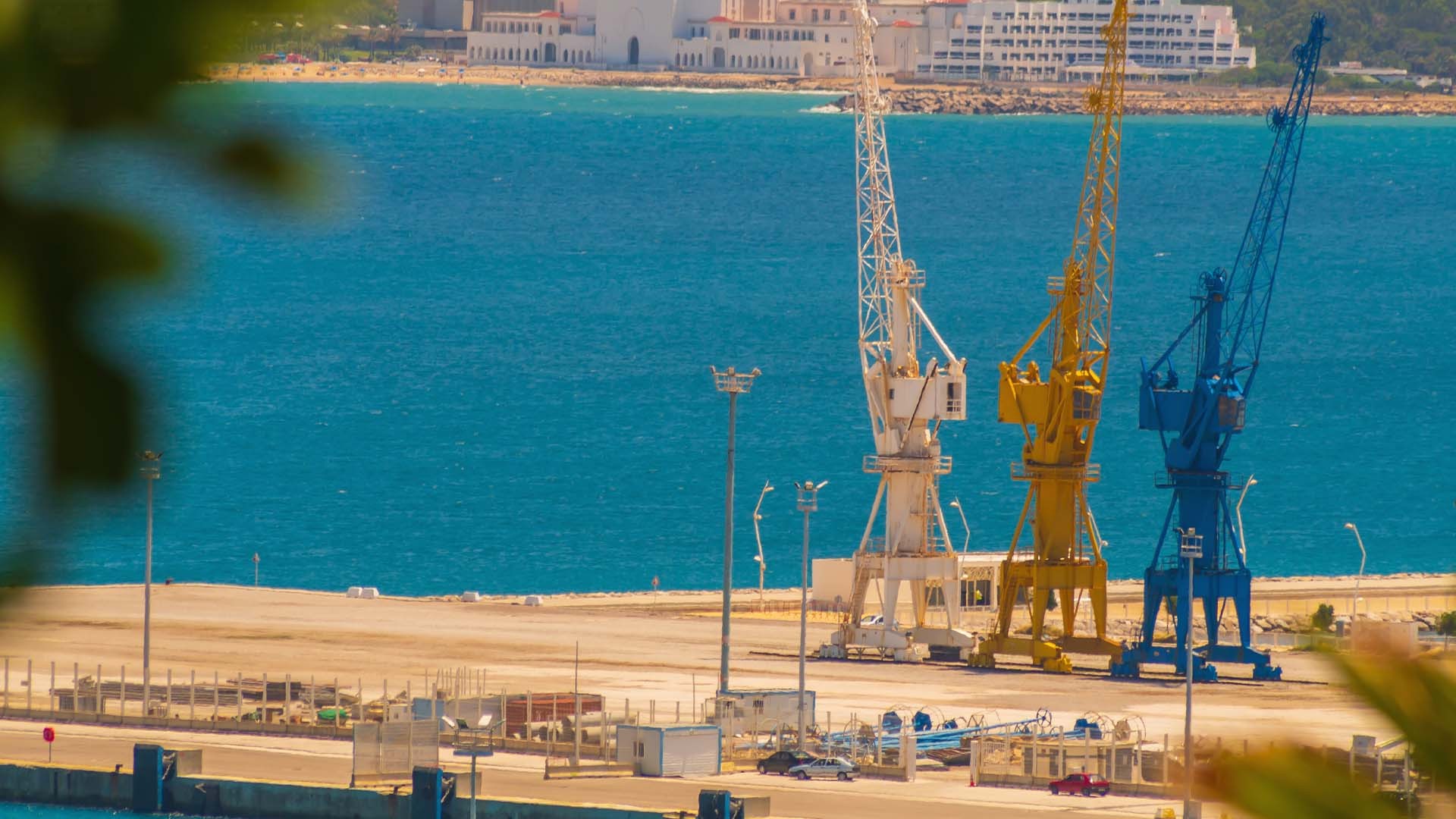

During the Hong Kong Maritime Week, which was organised from 16 to 22 November, experts from the maritime shipping industry highlighted the resilience the market showed despite the challenges of the year.
Apart from the geopolitical and economic hurdles, Maersk CEO Vincent Clerc raised a concern related to underdeveloped ports and how they may become a disruption factor in the future.
Clerc believes that the capacity and structure of some ports in the global network could cause vessel berth delays, consequently affecting waiting times.
A report by ShippingWatch cites Maersk’s CEO as saying, “Ports remain one of the most critical pressure points in the world.”
According to Clerc, a key reason is that ports’ capacity to handle cargo is “not evolving fast enough” compared to volume growth worldwide.
“The container fleet is expected to grow by about 5-6% a year. But at today’s investment pace, port capacity only grows between 2-3% a year,” says Clerc.
Which ports could pose disruption risks?
During a recent virtual session, Hapag-Lloyd’s CEO Rolf Habben Jansen said that the issue lies in the shortage of access capacity in some of the ports.
This means that at a time of congestion, the infrastructure and operational readiness of ports to handle incoming vessels could become limited.
Ports may lack sufficient berths, cranes, or logistical support for vessels to access port services efficiently, leading to delays and congestion.
Jansen believes that terminals in Europe and the United States could be among the most vulnerable during times of increased demand.
Vincent Clerc noted that ports in the African continent have a good potential for expansion, particularly in terms of their infrastructure. Meanwhile, ports in Asia have been keeping up with global trends.
“Asia, the world’s most connected shipping region, keeps pace with rapid growth, and new terminals are being built in countries like Vietnam, Malaysia, and India,” says Clerc.
How underdeveloped terminals could risk congestion
In a recent report, German transport newspaper DVZ presented multiple factors that could cause delays and disruption at ports.
According to DVZ, many ports are already overloaded, with over 210 container ships waiting for clearance worldwide in late November, which is about 3% of global capacity.
In addition to the mismatch between handling capacity and growing volumes, the trend to build large vessels is overtaking medium-sized vessels.
Some secondary ports, particularly in West Africa and Latin America, struggle to handle these megaships.
Another critical factor lies in the yard, rail, and overall landside capacity of a port.
When import volumes surge unexpectedly, container retrieval via truck or rail can become constrained, creating significant bottlenecks across the landside network.
These disruptions often cascade into vessel scheduling delays, particularly when yard utilisation is already approaching maximum capacity.
On the other hand, carriers need to rethink their strategies to consider the infrastructure limits and accept that the benefits of ever-larger ships diminish if ports cannot keep pace.
Similarly, ports need to prioritise whether to invest in peak capacity, larger ship handling, or hinterland connectivity.