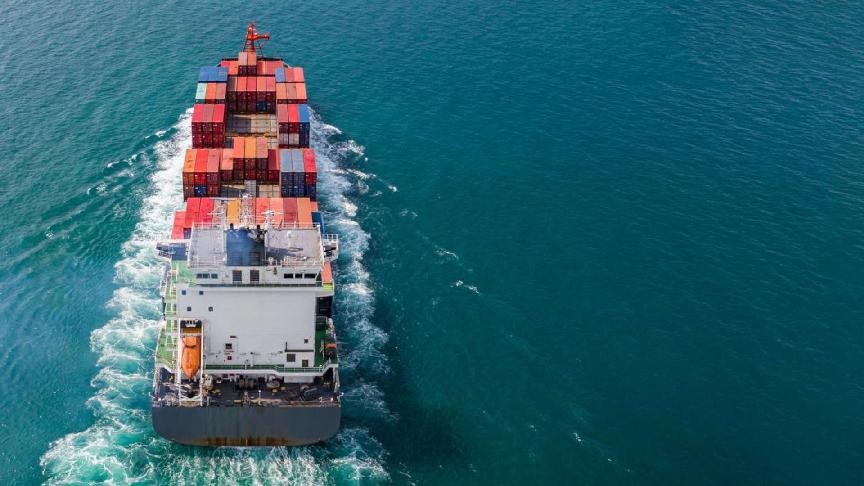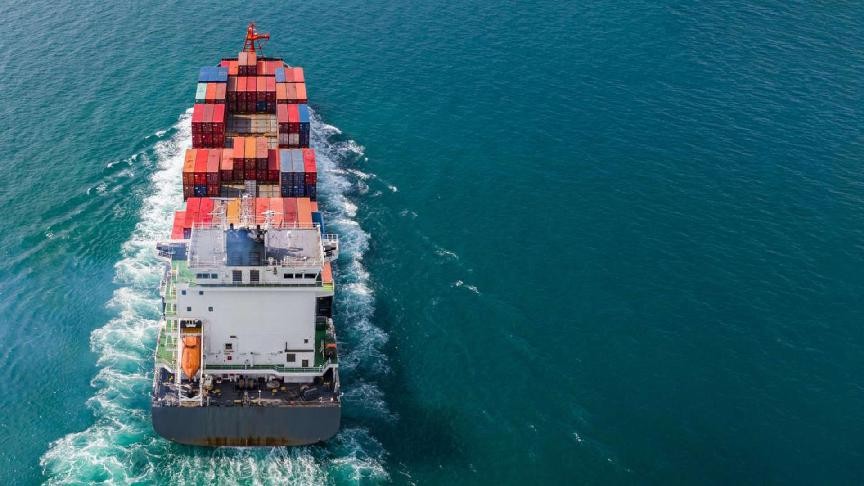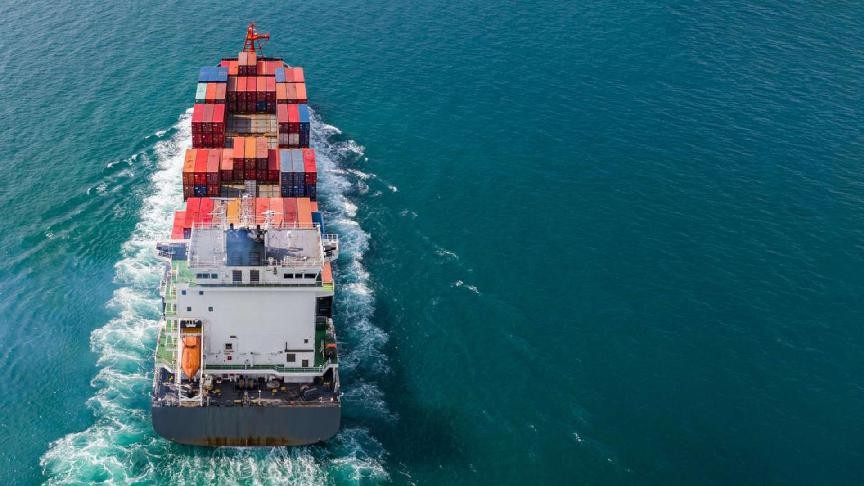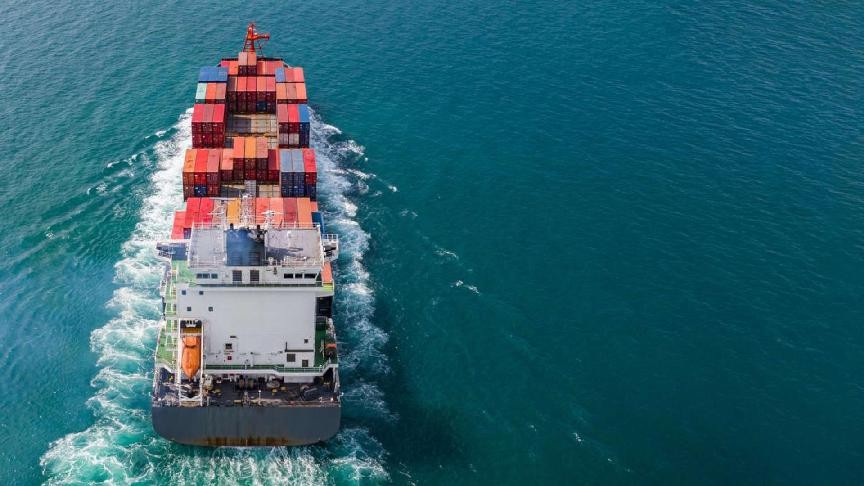

Ocean Alliance’s Day 10 product marks a recalibration of its service structure, moving away from incremental network expansion towards consolidation of existing routes.
A newly released assessment by Sea-Intelligence noted that the updated deployment adjusts the balance between coverage and frequency, signalling a refined approach to how services are distributed across major trade lanes.
Sea-Intelligence compared the outgoing Day 9 baseline and the Day 10 product. The comparison between two focuses on deep-sea head-haul services within the Asia–Europe and Asia–North America trades.
This assessment measures both the number of unique direct port connections and the frequency of weekly sailings, isolating revenue-generating routes while excluding transatlantic services and back-haul legs.
Modest contraction with targeted additions
At a high level, the network records a marginal reduction in distinct port-pair connections, declining from 344 to 339.
While 26 existing connections are removed, 21 new ones are introduced, resulting in a largely stable structure.
Approximately 92% of connections remain unchanged, indicating that most of the core network architecture has been retained.
New connections are concentrated in Southeast Asia and the US Southeast
Ports in Vietnam and Thailand gain additional direct access to North American destinations, while Florida emerges as a focal point with new services routed through Jacksonville and Miami.
These additions coincide with the removal of New Orleans from direct Asian connectivity and a redistribution of services along the US East Coast.
Busan undergoes a notable repositioning within the network. The port loses multiple direct links to Northern and Mediterranean Europe while gaining new connections to the US East Coast.
This adjustment reduces Busan’s overall destination reach and shifts its function towards serving transpacific routes rather than acting as a Europe-facing gateway.
While network breadth contracts slightly, service frequency increases overall
Core Asia–North Europe routes retain high weekly sailing counts, and several Southeast Asian origins gain additional frequency to both US West and East Coast ports.
Regionally, connections grow on the Asia–North Europe and Asia–US West Coast trades, remain broadly stable on the US East Coast, and decline in the Asia–Mediterranean corridor.
Hub roles and reach
The Sea-Intelligene assessment further finds that some key ports were set to take stronger hub roles for multiple trade lanes.
Shanghai and Ningbo, for example, have expanded their destination reach, while Busan’s role is refocused on Transpacific services, reducing its connections to Europe and the Mediterranean.
Haiphong and Tianjin have gained new direct links to North America, further strengthening Southeast Asia’s presence in the network.
The Day 10 product, therefore, presents a streamlined network that emphasises consistency, selective regional growth, and clearer functional roles for key hubs within Ocean Alliance’s service portfolio.