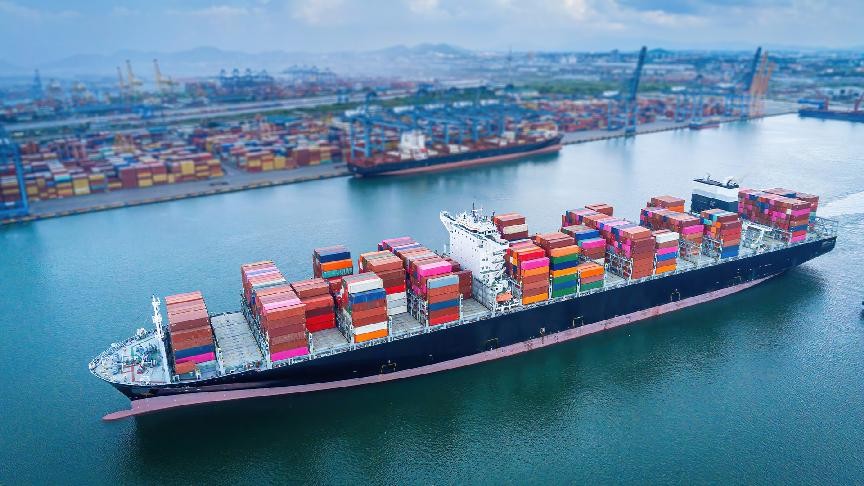

West African ports are experiencing mounting congestion as carriers contend with prolonged vessel delays and operational bottlenecks across multiple terminals.
Danish carrier Maersk has warned that activity at Freetown and Tema has been disrupted by heavy build‑ups, with its feeder network also affected.
The company reported berthing delays at Freetown, noting that the congestion has created significant scheduling challenges and contributed to ongoing cargo backlogs that continue to weigh on terminal productivity.
The restrictions have led to reduced acceptance of shipments, with cargo handled on a first‑in, first‑out basis and oversize units temporarily declined.
The carrier expects vessel bunching to ease over the coming weeks, although yard density may rise in the short term.
Shifting regional operations
Across the wider region, surging container volumes are outpacing available capacity.
In addition to Freetown, Conakry and Monrovia have also been witnessing prolonged vessel waiting times.
Additional delays have been observed at other ports, and operational updates have indicated that vessels at Tema may wait between one and three days, depending on their arrival windows.
Kuehne+Nagel reports an average of two to three days waiting time in Douala and Kribi ports in Cameroon, due to mainliner connections and high yard utilisation.
MSC's port arm, alongside APM Terminals, now oversees a substantial share of West and Central Africa’s container handling activity. Although some hubs have been upgraded to accommodate larger ships, secondary ports continue to face operational constraints.
Shifts in service patterns are also reshaping regional dynamics.
MSC has introduced 24,000‑teu vessels on its Asia-West Africa loop, while calls from West Mediterranean hubs into the region have fallen significantly.
Enhanced connectivity has been recorded over the past year, yet infrastructure expansion has not kept pace with growing demand.
The long‑term outlook remains uncertain, particularly as potential changes in routing could influence future port pressures.