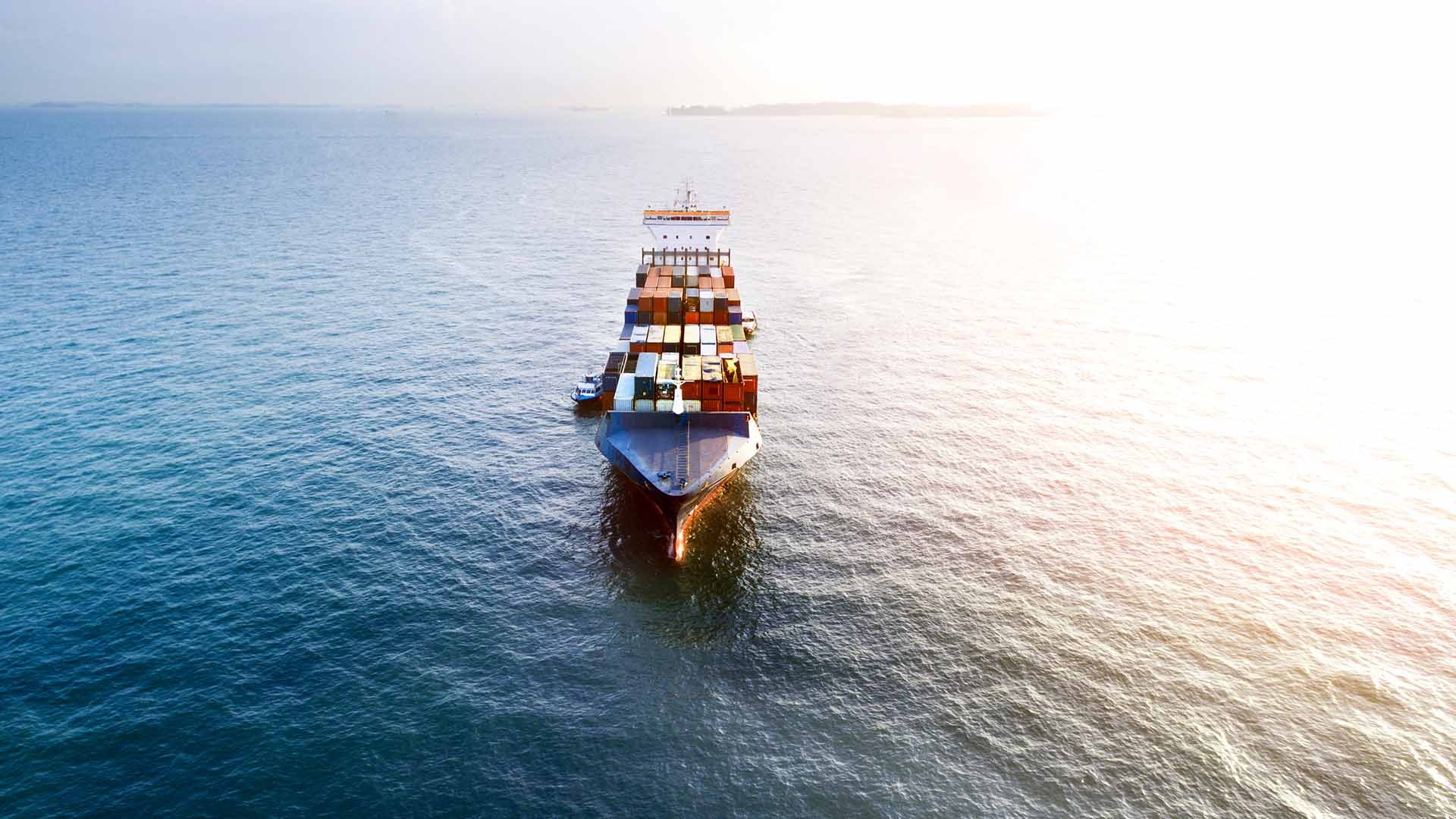

Intelligence sources talk about over 600 vessels trapped in the Persian Gulf as of 9 April, with 114 of those container ships and 325 tankers.
According to Lloyd’s List tracking, only six vessels had transited the strait on 9 April. Only one container vessel, a Saint Kitts and Nevis-flagged 700 TEU feeder, exited the chokepoint on 8 April.
Mixed messages, whether from Tehran, Washington or intelligence firms, about whether the strait is officially open for passage prompts caution among carriers.
Undefined conditions about a tolling system and the level of costs ships will incur only add to the uncertainty. Meanwhile, shipping executives have widely criticised the notion of paying fees to transit Hormuz.
Charges are customary for man-made waterways like the Panama and Suez Canals, but applying fees to natural straits subject to free passage runs counter to international maritime rules.
Hormuz “is comparable to other straits around the world. There is free passage”
CEO of the tanker operator Hafnia
A report by the Wall Street Journal mentions that Iran could charge up to USD 2 million to cross the strait, citing a member of Iran’s parliament's national security committee.
Container carriers remain cautious
The vague transit conditions, toll arrangements, and legal basis for passage through the strait discourage carriers and shipowners from resuming sailings.
Shortly after the ceasefire announcements, liners Maersk and Hapag-Lloyd commented on the development.
Hapag-Lloyd confirmed that it is currently refraining from transiting the Strait of Hormuz following its latest risk assessment. Nils Haupt, communication chief at Hapag-Lloyd, told CNBC that “returning to normal for our industry is weeks away.”
He added that the situation would not be resolved “until all the ships have left the Strait of Hormuz,” noting that large numbers of containers remain at ports in India, Oman and Pakistan awaiting onward transport into the Persian Gulf.
According to Haupt, restoring pre-war shipping schedules could take weeks or months.
The liner’s chief executive, Rolf Habben Jansen, further highlighted continued disruption during an online customer call on Wednesday morning.
Even if a ceasefire has now been agreed overnight, I would say that it’s fair to say that the conflict in the Middle East is still severely disrupting shipping, and also supply chains.
Hapag-Lloyd CEO
Meanwhile, Maersk also described a cautious approach.
In a written statement to ShippingWatch, a company spokesperson said the ceasefire “may create opportunities for transit, but it does not yet provide full security at sea.”
Maersk confirmed that no changes are currently being made to specific services and that any decision to transit will depend on ongoing risk assessments and guidance from relevant authorities and partners.
Equally, Marine insurers are waiting for more clarity on the situation and are advising shipowners to wait for more concrete confirmation from Iranian authorities, particularly on the criteria and conditions of safe passage.
Political efforts continue
While the shipping industry waits for certainty, talks on the political arena continue.
British Prime Minister Keir Starmer held talks with US President Donald Trump on Thursday to address the need for a plan to restart shipping through the Strait of Hormuz as soon as possible, according to Reuters.
Their priority was establishing a workable approach to open the Strait of Hormuz and enable shipping to resume without delay.
The politicians further addressed the need for a practical solution to get vessels moving again quickly.
Meanwhile, preparations were underway in Pakistan for US-Iran talks on Saturday aimed at settling the conflict.
Iran had earlier released a 10 point settlement proposal that includes retaining control of the Strait of Hormuz as part of ending the war.