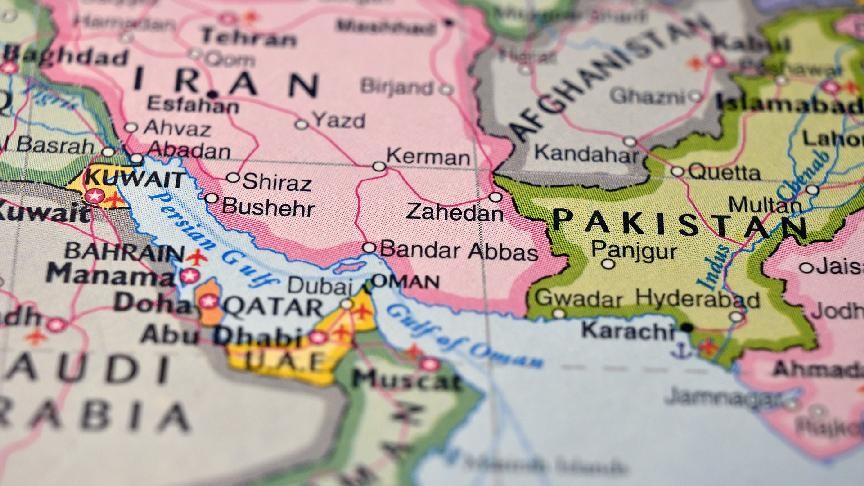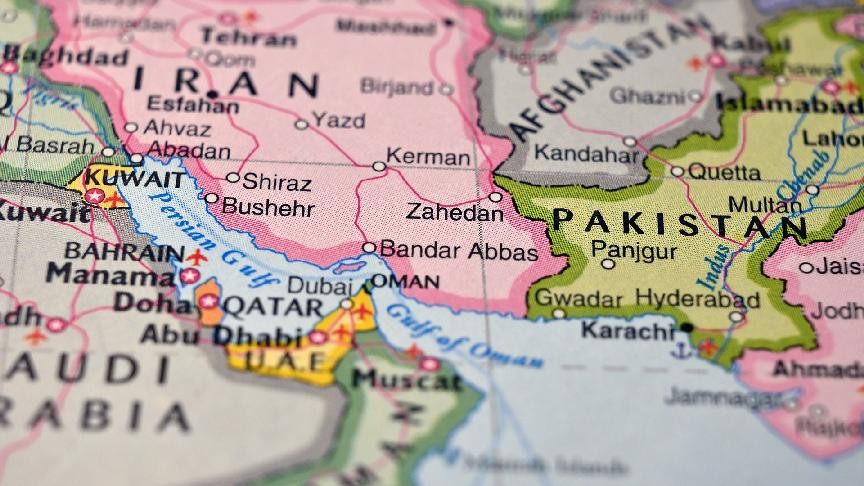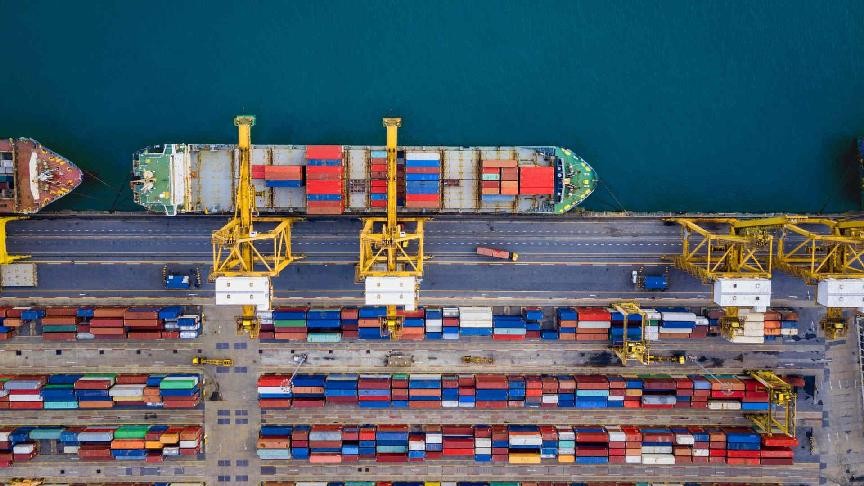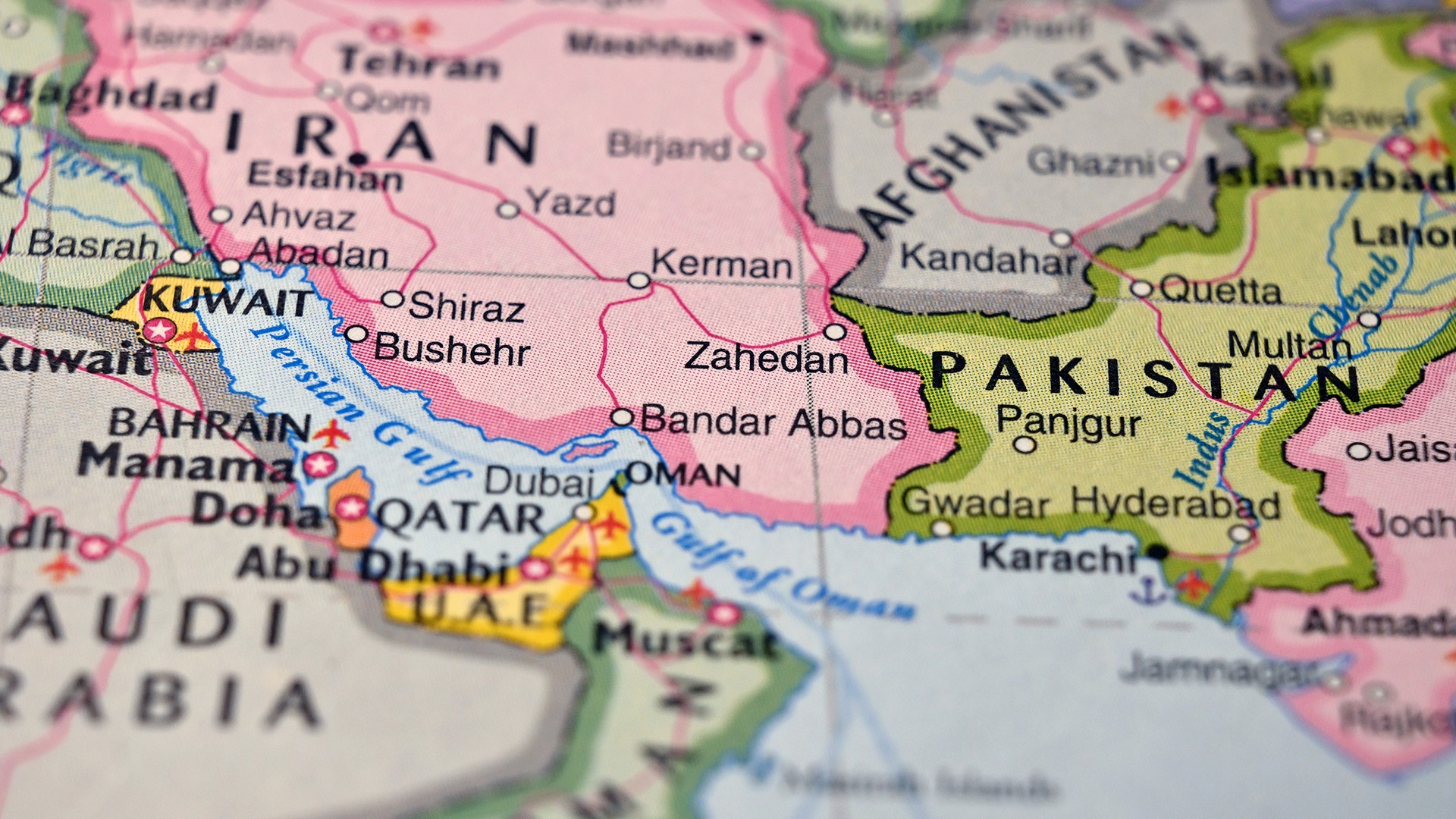

THE head of US Central Command has declared that American forces have cleared Iranian sea mines from the Strait of Hormuz, but the announcement has been met with scepticism from maritime security officials who note that military advisories continue to warn of mine threats in the waterway.
Admiral Brad Cooper, commander of US Central Command, said in a video statement released late Thursday that American forces had spent recent months “meticulously and quietly” clearing mines from international shipping lanes in the strait.
“The circumstances were challenging and dangerous, to say the least, but we got the job done,” Cooper said. “Bottom line, today, international shipping lanes are open and momentum is building.”
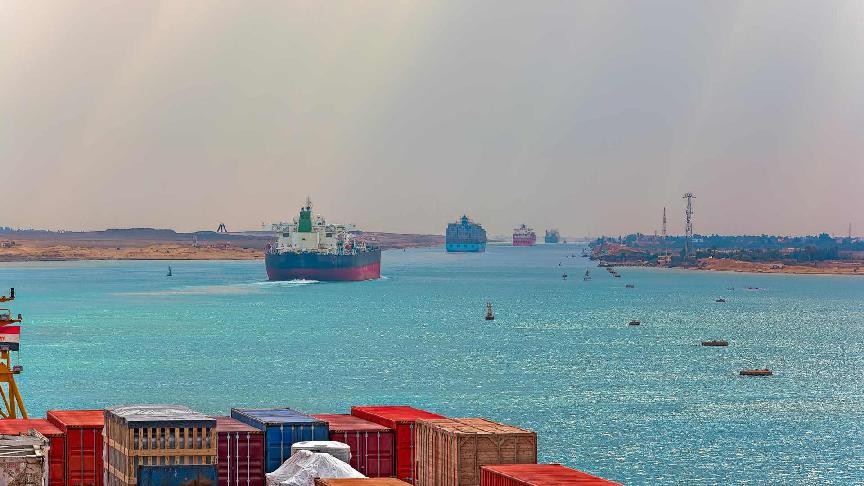
Cooper said the operation involved US Navy divers, SEALs and aircraft and claimed that American forces had helped more than 1,500 merchant vessels carrying almost 750m barrels of crude transit the strait in recent months.
However, the announcement appears at odds with threat assessments still being circulated by the Joint Maritime Information Center, the military-industry information-sharing body whose advisories are widely relied upon by shipping companies operating in the region.
In its latest advisory, issued on August 27, the JMIC warned that “continued risk of drifting or uncharted mines” remained in and around the traffic separation scheme, adding that designated mine danger areas were still active.
“Navigation interference persists, and mine-risk reporting remains relevant within and adjacent to the TSS,” the advisory said. “Clearance and mine-surveying operations continue throughout the Strait of Hormuz.”
Maritime security officers following developments in the region acknowledged that US forces had conducted significant and technically challenging mine-clearance operations. However, several industry officials questioned whether the threat could be considered fully eliminated while naval authorities continued to issue warnings and survey work remained ongoing.
“The most recent JMIC update had only just warned that the Mine Danger Area is still in force,” said one industry official. “An announcement from the head of CENTCOM can only be taken at face value, but we would still be looking for guidance from Iran before assuming the route can be used normally.”
“As things stand, we don’t expect any immediate change in routing.”
The announcement also raises questions for ships considering a return to normal operations through Hormuz. Naval Cooperation and Guidance for Shipping, the NATO-linked organisation that provides routing and safety guidance to merchant vessels, had on Friday not publicly amended its advice to industry following Cooper’s statement.
The US claims come as diplomatic efforts to restore commercial traffic through Hormuz gather pace. Qatar has intensified mediation efforts with Tehran, pressing Iranian officials to respect freedom of navigation and reopen the strategically vital waterway.
Following talks in Tehran on Thursday, Qatari Prime Minister Sheikh Mohammed bin Abdulrahman Al Thani said he had stressed the importance of restoring freedom of navigation through the strait in accordance with international law.
Mohsen Rezaei, secretary of Iran’s Supreme National Security Council, subsequently said Tehran was drawing up a list of conditions for reopening Hormuz after mediators requested clarification of its demands. He also said Iran and Oman had agreed in principle on a shipping corridor through the strait, with traffic routed through designated channels in Omani and Iranian waters.
The status of Hormuz remains central to negotiations between Tehran and Washington. While Iranian officials have repeatedly asserted authority over the waterway, the Trump administration has insisted the strait must remain open to international commerce.
The US declaration of successful mine-clearance operations comes despite doubts previously expressed by some allied governments and security officials over whether all Iranian mines have been removed. Earlier assessments suggested between 80 and 150 mines may have been laid by Iran’s Islamic Revolutionary Guard Corps during the conflict.
According to people familiar with industry security assessments, US operations have almost certainly reduced the threat, but uncertainty remains over whether every mine has been located and cleared. Security consultants also questioned why Centcom, which has regularly publicised regional military operations, released no supporting footage of the mine-sweeping effort.
For now, industry officials say commercial operators are likely to continue following military risk advisories rather than political declarations, meaning any meaningful return to normal shipping patterns through Hormuz will depend as much on Iranian acceptance and updated naval guidance as on US claims that the waterway has been cleared.