
These diversions may avoid canal constraints, but they add distance and significantly increase weather, navigation and operational risks.
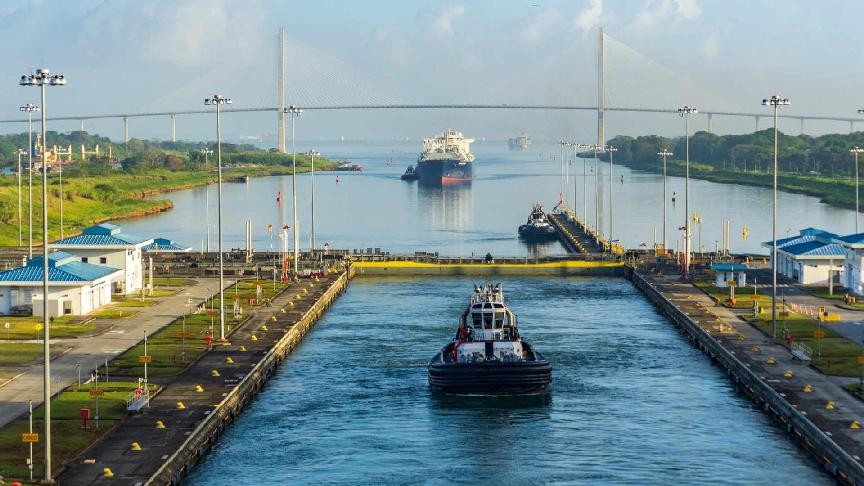
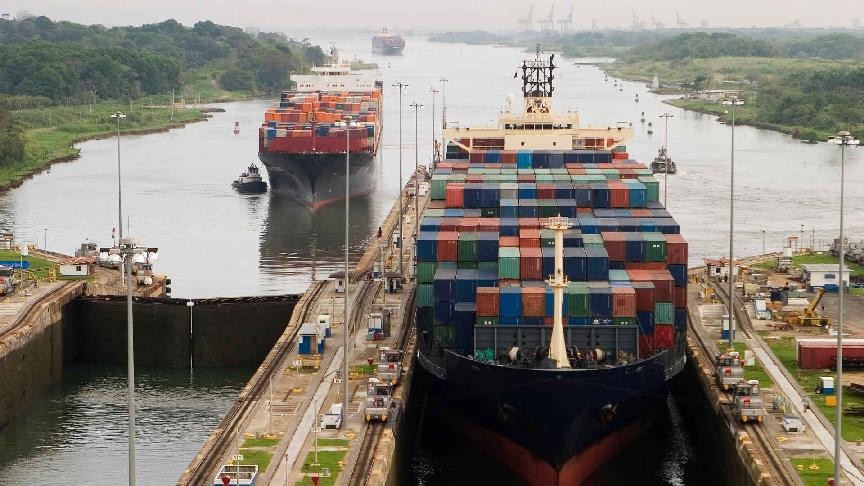
For now, the Panama Canal’s restrictions are tighter but still manageable: below-average rainfall and reduced inflows have limited the freshwater available for lock operations. The maximum authorised Neopanamax draft remains at 48 feet of Tropical Fresh Water, while daily capacity has fallen to 32 booking slots from 15 September.
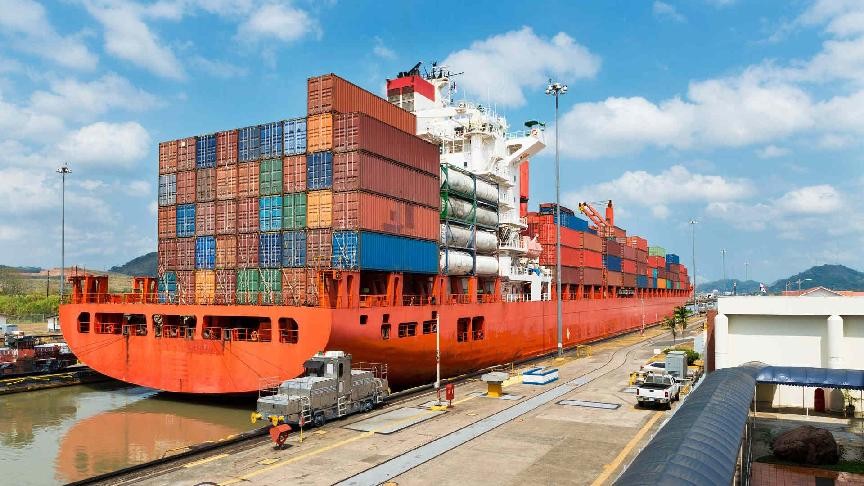
For shippers and carriers, the effects are familiar: lower draft limits can reduce cargo intake, fewer transit slots can extend waiting times, and reservation, auction and water-related charges can raise transport costs.
However, conditions remain far less severe than during the 2023–2024 drought, when daily transits fell into the low twenties, and draft limits dropped into the mid-40-foot range.
Why the southern option is back in the discussion
Normally, carriers facing delays or cargo restrictions at Panama could consider an eastbound route through Suez. Security risks in the Red Sea and Gulf of Aden, together with disruption around the Strait of Hormuz, have reduced the appeal of that option and shifted more traffic towards Panama. Southern routes are therefore returning to the discussion not because they have become more attractive, but because the established alternatives have become harder to use.
The comparison is not straightforward. A Panama transit offers relatively predictable lock passage, whereas a diversion around South America adds substantial sailing distance and exposes the vessel to a much more demanding environment. Any reduction in canal delays or cargo restrictions must be weighed against extra fuel consumption, longer transit times, reduced schedule reliability and greater disruption risk.
Drake Passage: direct, but exposed
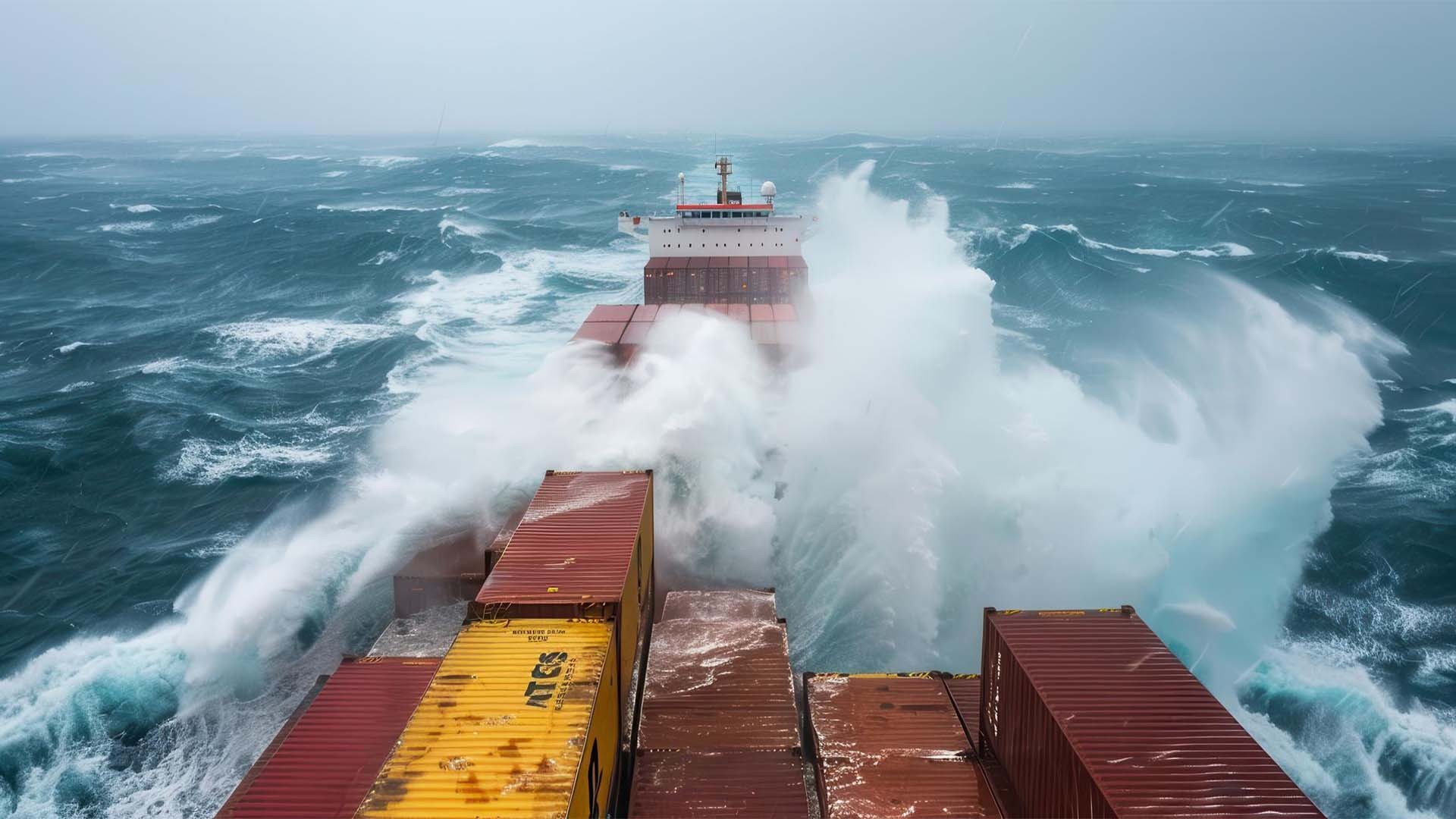
The Drake Passage provides the more direct open-ocean connection between the Atlantic and Pacific, but it is also one of the harshest stretches of water used in commercial shipping.
Heavy seas can produce severe vessel motions, slamming, green water on deck and cargo shift, while prolonged bad weather can strain machinery and force speed reductions or route changes.
For cargo owners, this means that a southern diversion can introduce risks beyond a later arrival. Sensitive or poorly secured cargo may face greater physical stress, sailing schedules can become less reliable, and a weather-related incident in such a remote area may take longer to resolve.
Strait of Magellan: more shelter, more complexity
The Strait of Magellan avoids much of the Drake Passage’s open-ocean exposure, but it is not a simple safe-weather substitute. The route includes narrow channels, strong currents and restricted waters, requiring detailed voyage planning, local navigational knowledge and close compliance with Chilean reporting and pilotage rules.
Both southern routes also require vessels and crews to be ready for sustained cold-weather operations. Ships not designed for these conditions may encounter difficulties with bunker heating, fuel handling and machinery performance. These technical demands make vessel suitability an important part of any routing assessment.
Emergency response is another constraint. Suitable salvage resources for a large vessel may not be readily available along the southern Chilean coast. A grounding, machinery failure or weather-related casualty could therefore develop into a prolonged disruption with consequences for cargo delivery, insurance and downstream supply chains.
What shippers should consider
For most trades, the current Panama restrictions do not by themselves justify a diversion around Cape Horn. The calculation should go beyond canal fees and extra nautical miles. Shippers should also consider cargo lost through draft restrictions, expected waiting time, additional fuel and sailing days, schedule reliability, vessel and cargo suitability, and the availability of emergency support.
Safety can also determine which southern route is used. If conditions make the Drake Passage unsafe, the master may choose the more sheltered but operationally complex Strait of Magellan. Weather routing, voyage records and early communication between carrier and customer are therefore essential for managing expectations on cost and arrival time.
Plan C, not a like-for-like replacement
The southern passages are best treated as contingency routes, to be considered only when Panama waiting times, draft-driven cargo losses and restrictions on eastern alternatives outweigh the added exposure. They are not like-for-like substitutes for the canal and should not become routine diversions.
If El Niño intensifies into 2027, the pressure on Panama could deepen and alter that calculation. Until then, shippers should prepare for tighter canal capacity while recognising that routes around Cape Horn, through the Drake Passage or via the Strait of Magellan replace one set of constraints with a far more demanding risk profile.