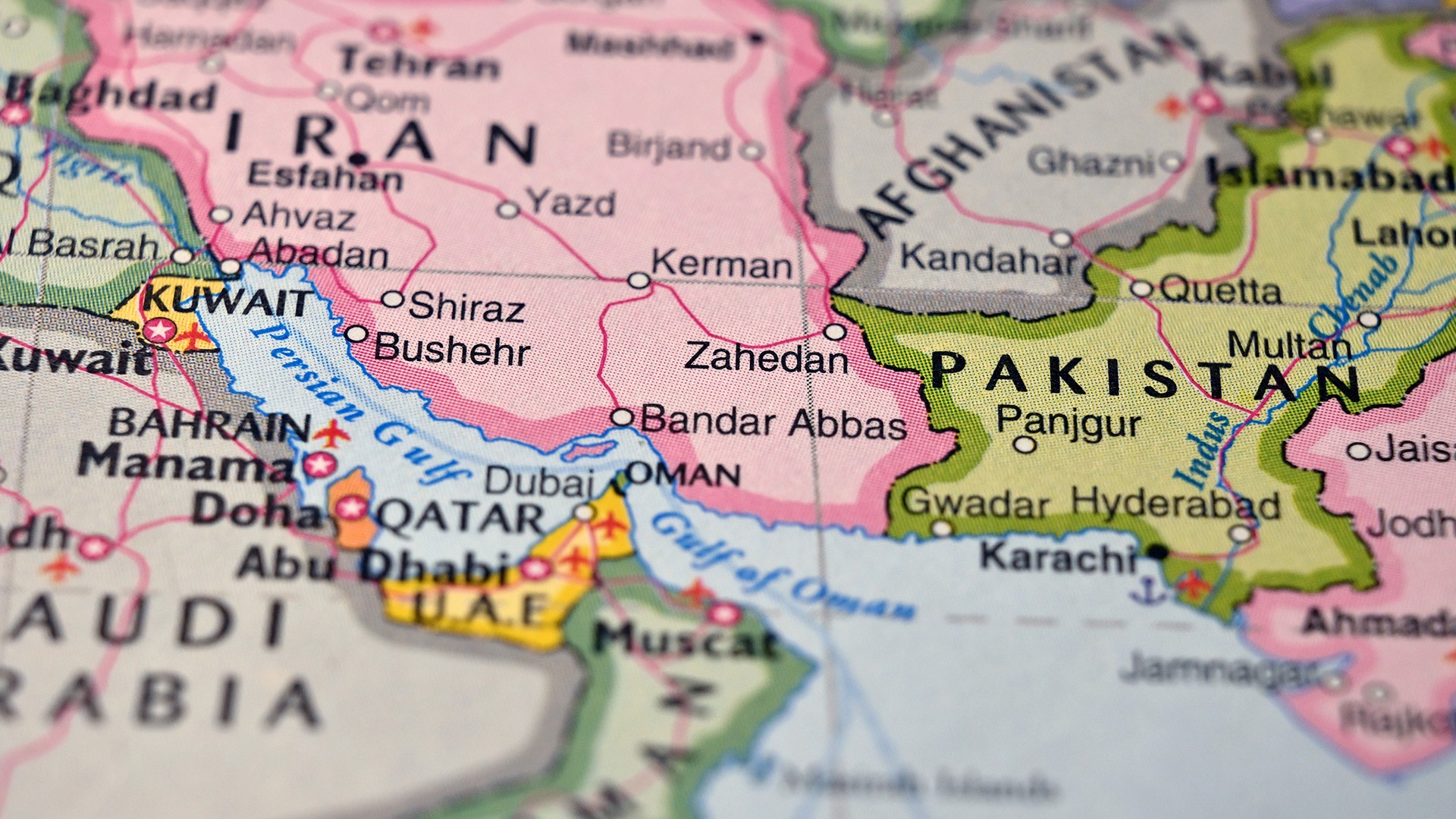

The Strait of Hormuz crisis is approaching its 100th day with no resolution in sight, as a fresh round of US-Iran escalation further destabilises one of the world’s most critical shipping chokepoint.
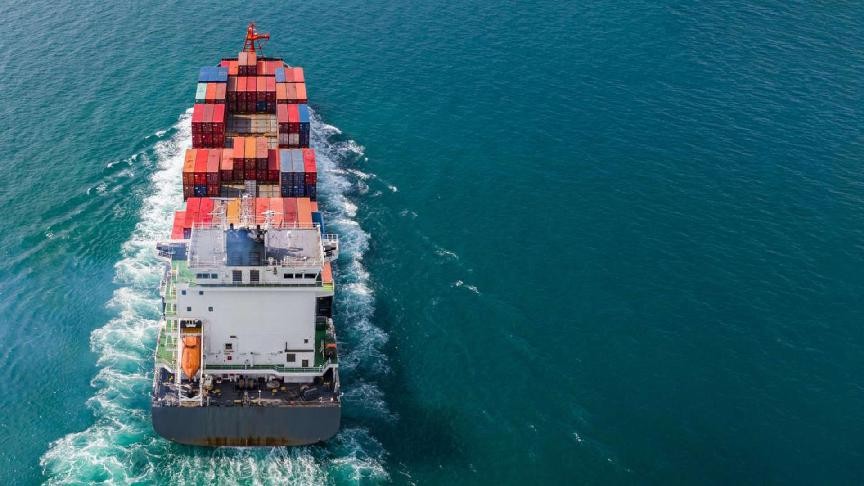
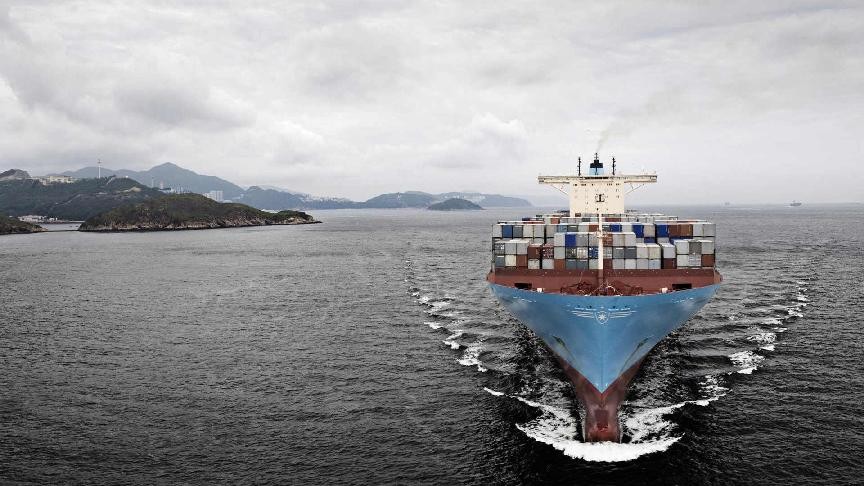
Data from seaexplorer underscores the scale of disruption: 99 container vessels, representing approximately 340,000 teu of capacity, remain stuck inside the Persian Gulf, unable or unwilling to transit safely through Hormuz.
In the latest developments, US forces carried out new “defensive” strikes on Iranian drone infrastructure in Bandar Abbas after intercepting four attack drones and targeting a launch site preparing a fifth.
The strikes followed an earlier incident in which Iran allegedly fired on a US-linked tanker attempting to transit the strait, forcing it to turn back, according to Iranian sources. This pattern quickly extended to wider commercial disruption, with at least four vessels reportedly turned away after warning shots were fired during attempted transits.
The exchanges mark a continuation and escalation of hostilities, despite a ceasefire that has been formally in place since early April.
US officials maintain that recent military actions are limited and defensive, aimed at safeguarding both naval forces and commercial shipping. However, operational realities in the Gulf suggest a steadily deteriorating security environment.
Ceasefire in name, insecurity in practice
Maritime security experts warn that the threshold for what constitutes a ceasefire breach has effectively eroded.
EOS Risk Group’s Martin Kelly noted that attacks on commercial shipping and Gulf states are occurring even without formally triggering a breakdown in the truce, underscoring how “sub-threshold” conflict is now the norm.
Since the April agreement, both sides have repeatedly targeted each other, while Iran has also launched strikes against regional states and merchant vessels.
Strategically, Iran continues to assert control over the Strait of Hormuz and shows little willingness to concede it, leaving minimal scope for diplomatic progress.
Sanctions deepen the shipping dilemma
Compounding the crisis, the US has sanctioned Iran’s Persian Gulf Strait Authority (PGSA), the body responsible for managing transit permits through Hormuz. The move leaves shipping companies in a compliance dilemma: engaging with PGSA risks breaching US sanctions, while bypassing it raises the likelihood of Iranian interdiction.
Hopes of a breakthrough deal collapsed after President Donald Trump dismissed reports of a potential agreement involving Oman to restore safe passage in the strait. His remarks reinforced uncertainty over future governance of the waterway, while Iranian officials signalled that any post-conflict regime would fundamentally alter existing shipping procedures.
Human impact amid the crisis
Amid the escalating tensions, one rare positive development emerged: the release of ten Indian seafarers detained in Iran since July 2025.
Their release highlights both the human cost of the crisis and the growing risks faced by crews operating in the region, even as geopolitical tensions show no sign of easing.