
Update: 02.07.2026
After the two major earthquakes that struck north-central Venezuela on 24 June, emergency response measures were prompted across the country. More than 30 aftershocks have been reported, while recovery and damage assessment activities continue in the most affected regions, including Caracas and La Guaira.
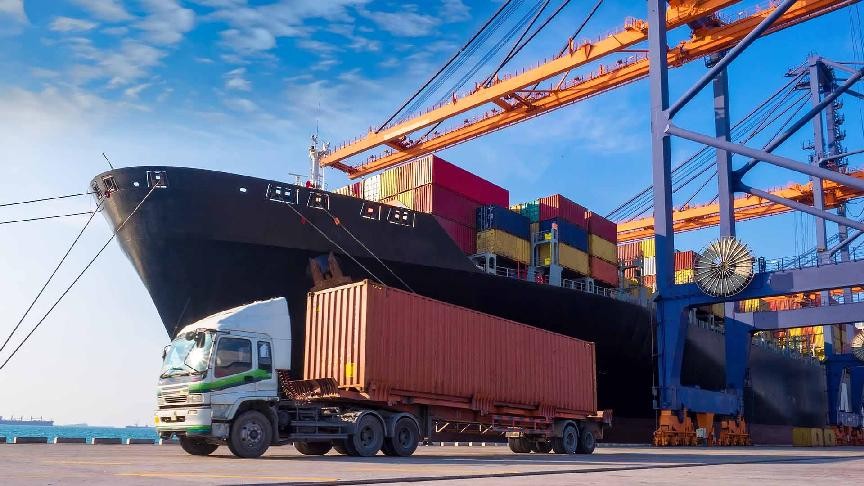
Despite the impact of the earthquakes, Venezuela's primary maritime gateway, Puerto Cabello, remains fully operational and experienced only limited effects from the seismic event. As the country's main commercial port, it continues to handle cargo and remains the recommended entry point for sea freight into Venezuela.
Moderate congestion and longer dwell times may occur as authorities prioritise government and humanitarian shipments, but port operations continue to function.
At La Guaira, closer to some of the affected areas, infrastructure has sustained damage and operations remain restricted. According to the latest updates, operations at the port have not yet been authorised to resume, and the port remains closed and operates exclusively as a humanitarian relief hub.
As a result, liners Maersk and MSC announced they are suspending bookings to La Guaira until further notice.
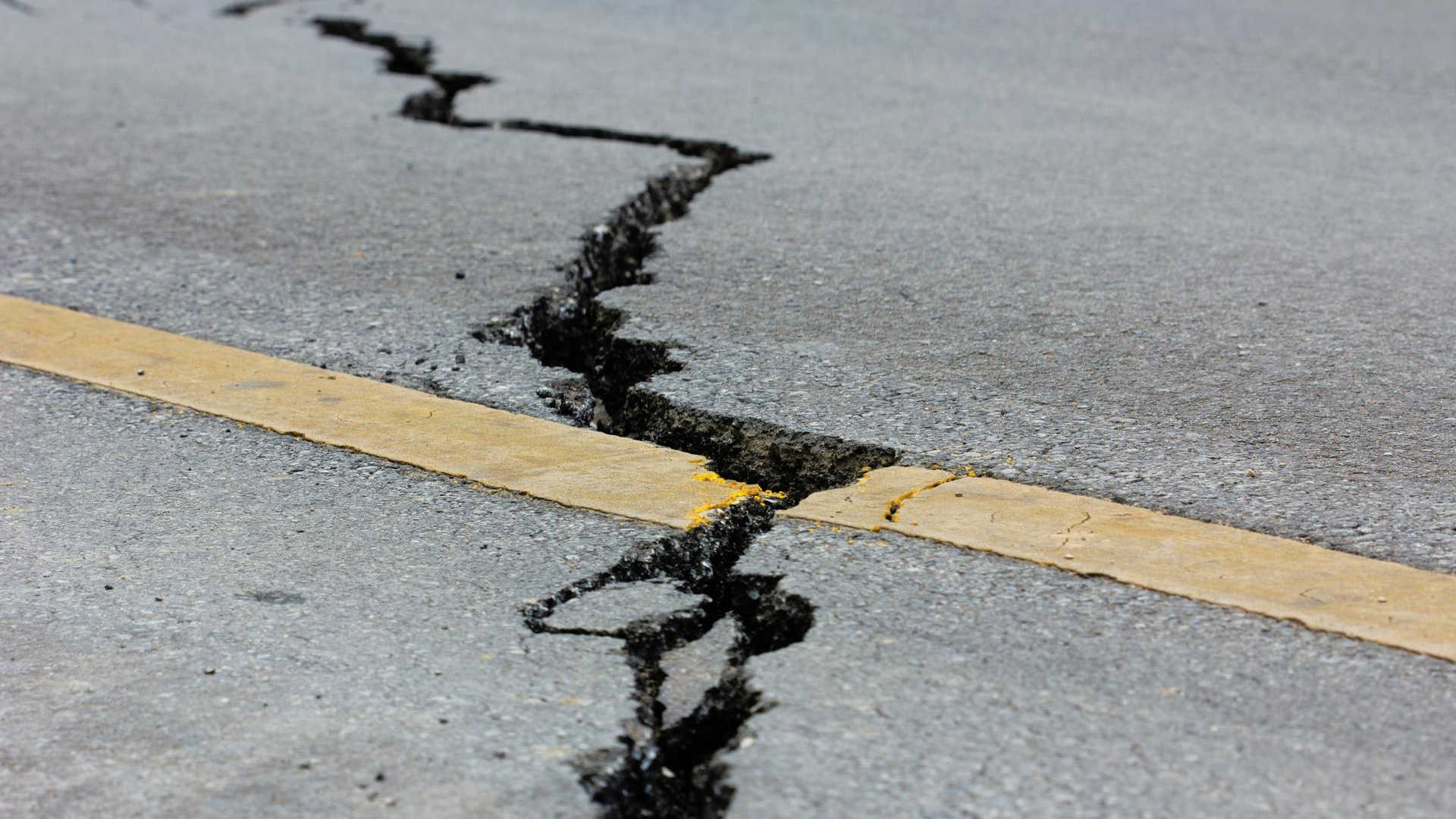
The main logistics challenges are currently related to inland transportation. Debris and infrastructure damage have disrupted road movements in affected urban areas, while access to Caracas and La Guaira remains constrained, although conditions are gradually improving through ongoing clearance efforts.
Delays are possible for cargo moving from ports to impacted regions, particularly where emergency services and humanitarian operations are being prioritised.
Customs clearance remains active, although delays may occur under emergency procedures. Warehousing capacity near port areas is limited, particularly in affected regions, and authorities are increasingly prioritising direct onward delivery rather than temporary storage.
Original article: 26.06.2026
Two powerful earthquakes struck Venezuela on 24 June 2026, occurring within seconds of each other with magnitudes of 7.2 and 7.5.
The impact was most severe in the capital, Caracas, where widespread damage has been reported. Tremors were also felt in neighbouring Colombia, while precautionary tsunami warnings were issued across parts of the Caribbean before being partly withdrawn.
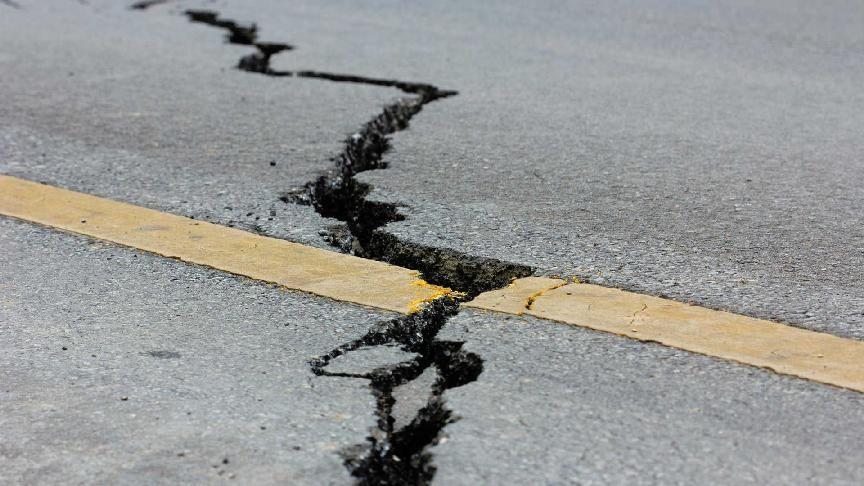
Preliminary assessments indicate material damage across several areas, including structural impacts and partial collapses. The strongest effects were concentrated in Caracas and surrounding regions, and aftershocks remain a possibility.
Kuehne+Nagel reports that operations at Puerto Cabello continue as normal. In contrast, La Guaira Port, the country’s main port and airport hub, has experienced more extensive damage, creating a more complex situation.
Disruptions are anticipated across domestic logistics activities and key infrastructure, including ports, airports and road transport, with potential secondary effects affecting wider regional supply chains.
For the latest port and vessel statuses or situation updates, please refer to the seaexplorer alertmap.