
South Korea’s first container ship voyage along the Northern Sea Route encountered difficult ice conditions and technical problems, prompting the crew to consider turning back before ultimately completing the round trip.
PanStar, owner of the ship, is now reportedly considering selling the vessel after the trial voyage.
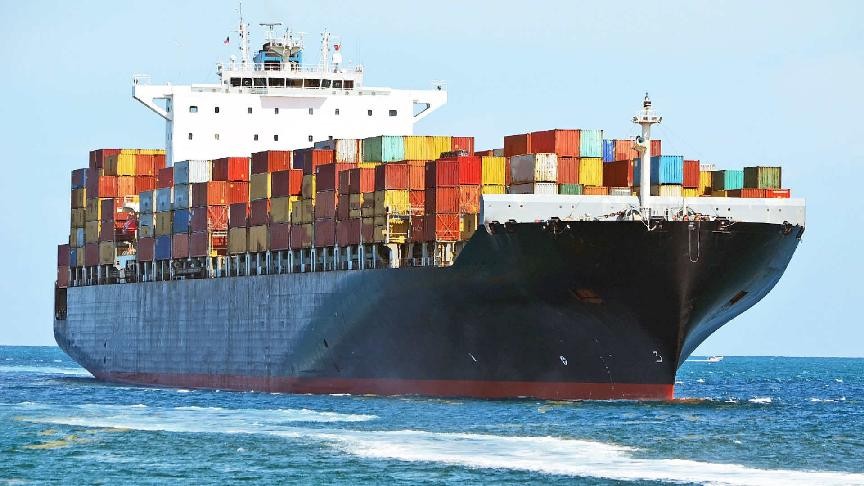
A report by G-Captain told the story of the containership PanStar Acro. The vessel departed Busan in late August and reached Felixstowe, UK, 21 days later, becoming the first Korean container ship to sail the Northern Sea Route.
The vessel began its return journey in late September and was sailing along Norway’s Arctic coast on 24 September on its way towards Russian Arctic waters.
It returned to Busan in mid-October, where President Lee Jae Myung and around 200 people welcomed the ship and its crew.
The voyage had been intended as a trial ahead of further shipments, but the outward passage brought significant challenges.
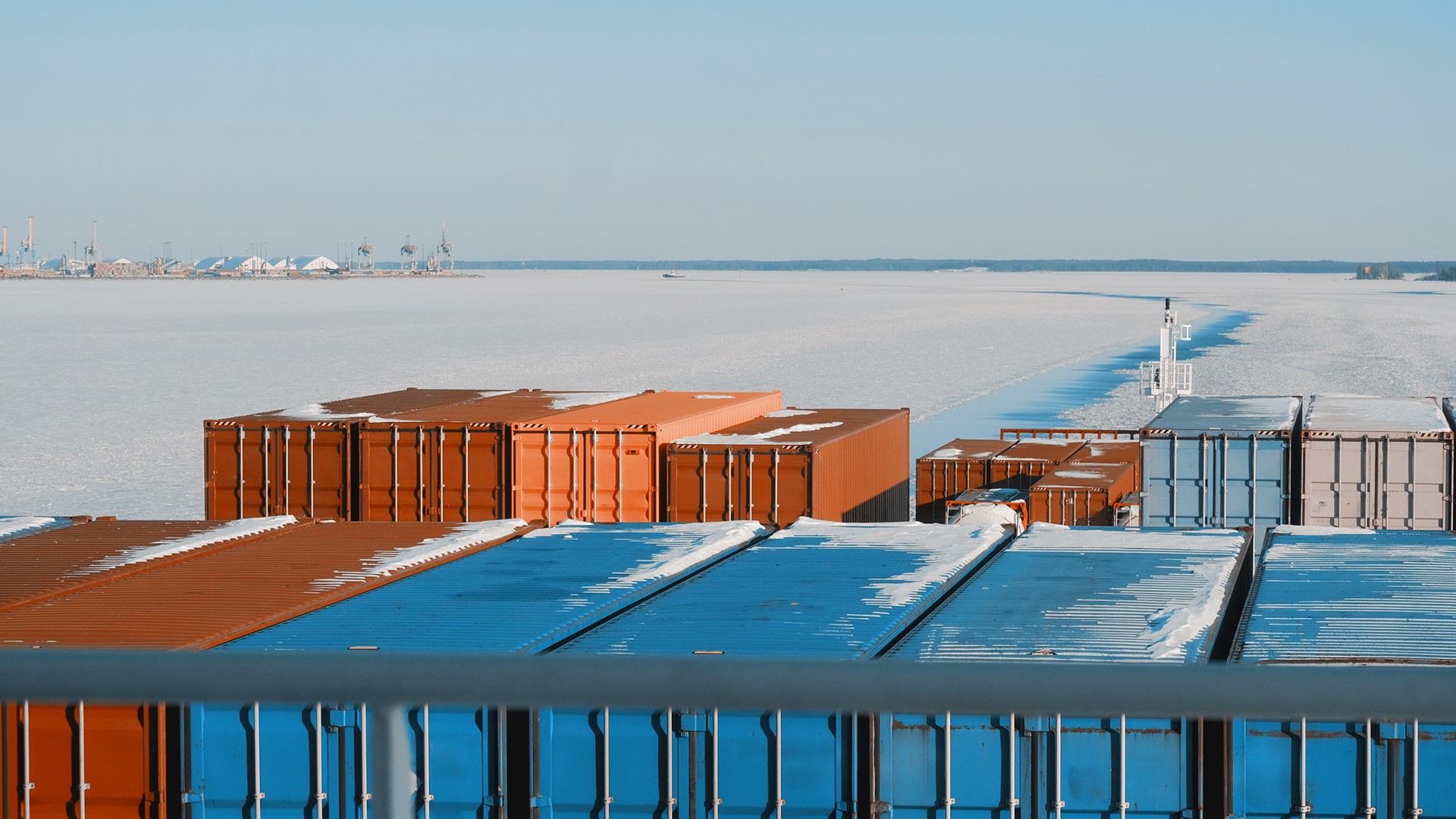
During the night of 31 August into 1 September, the 2,758-TEU vessel encountered large amounts of drifting ice near Wrangel Island in the Chukchi Sea. With darkness limiting visibility, the crew depended on radar as they searched for a safe way forward.
First officer Park Ji-jeong described the uncertainty faced on board.
“When we were trapped by countless ice floes, I thought we might not be able to continue the voyage. There were many unexpected situations every day,” he said at a 22 October press briefing hosted by South Korea’s Ministry of Oceans and Fisheries.
I am relieved that we ultimately returned safely.
PanStar Acro First Officer
Captain Seo Myeong-won said the possibility of turning back was considered.
After consulting an ice pilot, he chose to wait for daylight rather than attempt to proceed without clear visibility.
“If we could not find a route because it was dark, I judged it would be better to check again when daylight came,” Seo said in an interview published by the South Korean government.
“We waited without moving recklessly, and about three hours later the route became visible.”
The vessel’s movements reflected the difficult conditions.
On 31 August, it slowed and manoeuvred repeatedly southeast of Wrangel Island. An analysis by the Centre for High North Logistics, based on Kpler/MarineTraffic data, estimated that the ship progressed only around 16 nautical miles westwards during the episode, adding approximately eight hours to the transit. The vessel later encountered further large ice floes near Vilkitsky Strait.
Cold conditions also affected operations. Problems were reported with fuel and lubricating-oil circulation, while GPS and satellite communications experienced intermittent failures.
Despite these difficulties, the PanStar Acro completed both Arctic passages without icebreaker assistance.
The experience has raised questions about the vessel’s future with PanStar. The operator is reportedly considering selling the PanStar Acro after its single round trip and is said to be discussing a possible sale back to former owner HMM.
The voyage also highlighted a difference in Arctic experience between PanStar, which was making its first attempt, and Chinese operators that had greater experience of such operations.