NEW regulatory changes covering harassment, fatigue, mental health and medical risks are shifting crew well-being from a welfare issue towards a core element of maritime safety compliance.
“Maritime regulation rarely changes in one dramatic stroke, but a succession of amendments, training requirements and flag-state guidance is steadily bringing seafarer well-being deeper into the maritime safety regime,” said John Prell, general counsel at maritime healthcare provider Vikand.
The shift builds on the Maritime Labour Convention, which established minimum standards for crew accommodation, food, healthcare, rest and complaints in 2013.
Interest in seafarer welfare has accelerated since pandemic lockdowns extended employment contracts as crew were unable to leave vessels.
According to a new report by Prell - Seafarer Wellbeing Enters the Safety Rulebook - since 2022 nine new regulations or recommendations have been implemented.
A further four are set to be introduced between 2027 and 2028.
They include EU directive 2024/3100, which must be written into national law by member states by July 2027 and includes additional provisions for seafarers’ living and working conditions.
Prell said regulators were increasingly moving beyond traditional welfare requirements by incorporating well-being into training, risk management, reporting and safety-management systems.
“There is no single global seafarer well-being law,” he said, with obligations varying according to flag, vessel type, trade and employment arrangements.
Nevertheless, he believes recent regulatory advances will improve life at sea, reduce crew attrition and potentially make maritime careers more attractive to younger generations.
One of the most significant changes concerns training. Since January 1 2026, the Standards of Training, Certification and Watchkeeping convention has required basic safety training to cover prevention of and response to violence and harassment, including sexual harassment and bullying.
US regulations are meanwhile placing greater emphasis on reporting. Since late 2022, responsible entities on US commercial vessels have been required to report complaints or incidents of sexual harassment, sexual assault or harassment to the US Coast Guard.
Congress added a statutory definition of harassment in December 2025, while knowingly failing to make a required report can carry a civil penalty of up to $50,000 under the statute, currently $52,962 after inflation adjustment.
Further changes are coming through the Maritime Labour Convention. ILO amendments approved in June 2025 and expected to enter into force in December 2027 will require countries to prohibit shipboard violence and harassment and shipowners to introduce policies, reporting mechanisms and protections for victims, witnesses and whistleblowers.
The amendments also address shore leave, repatriation and fair treatment following accidents or detention.
Mental health is similarly moving into the safety-management sphere. The IMO’s Maritime Safety Committee agreed in June 2025 to revise guidelines supporting implementation of the International Safety Management Code by 2028, including harassment prevention and reporting, protection against retaliation and access to medical and mental health support.
Liberia went further in a May 2026 advisory on suicide and missing person incidents at sea, describing mental health as a “critical safety factor”.
Meanwhile, improved communications systems on board ships are helping crew well-being, Prell said.
“The adoption of ship to shore communications through Starlink by a growing number of shipowners has been very positive. It means vessel crews can now have regular facetime with their families.”
Crew fatigue is now receiving closer scrutiny. The IMO began a formal review in February 2026 examining fatigue, hours of work and rest, workload and crewing levels, with the exercise due to conclude in 2027.
“The significance is not any one development on its own, but that the same concerns are appearing across regulators, flag states and industry bodies,” Prell said.
Medical data underlines the potential operational consequences of poor crew health.
Gard’s 2026 Crew Claims Report, based on 3,000 protection and indemnity crew claims during 2025, identified cardiovascular disease and cancer as the costliest illness categories, with cardiovascular conditions the leading cause of crew fatalities in its claims data.
Vikand’s OneHealth data for 2024-2026 likewise show cardiovascular conditions accounting for about 5% of consultations but around 10% of crew disembarkations.
Conditions including high blood pressure, diabetes, poor sleep, anxiety and depression can affect fitness for duty, concentration and judgement before developing into emergencies.
The emerging regulatory approach will have significant implications for shipowners and managers but while the changes do not mandate a universal well-being or preventive healthcare programme, they increasingly require shipowners or shipmanagers to identify risks, allocate responsibility and intervene before problems develop into medical emergencies or safety incidents.
Screening, telehealth, counselling and chronic-disease management can consequently become tools for reducing both medical and operational risk.
For vessel operators, Prell argues, the issue is no longer whether they offer a well-being programme, but whether training, reporting procedures, crewing decisions, safety-management systems and healthcare pathways identify problems early enough to prevent escalation.
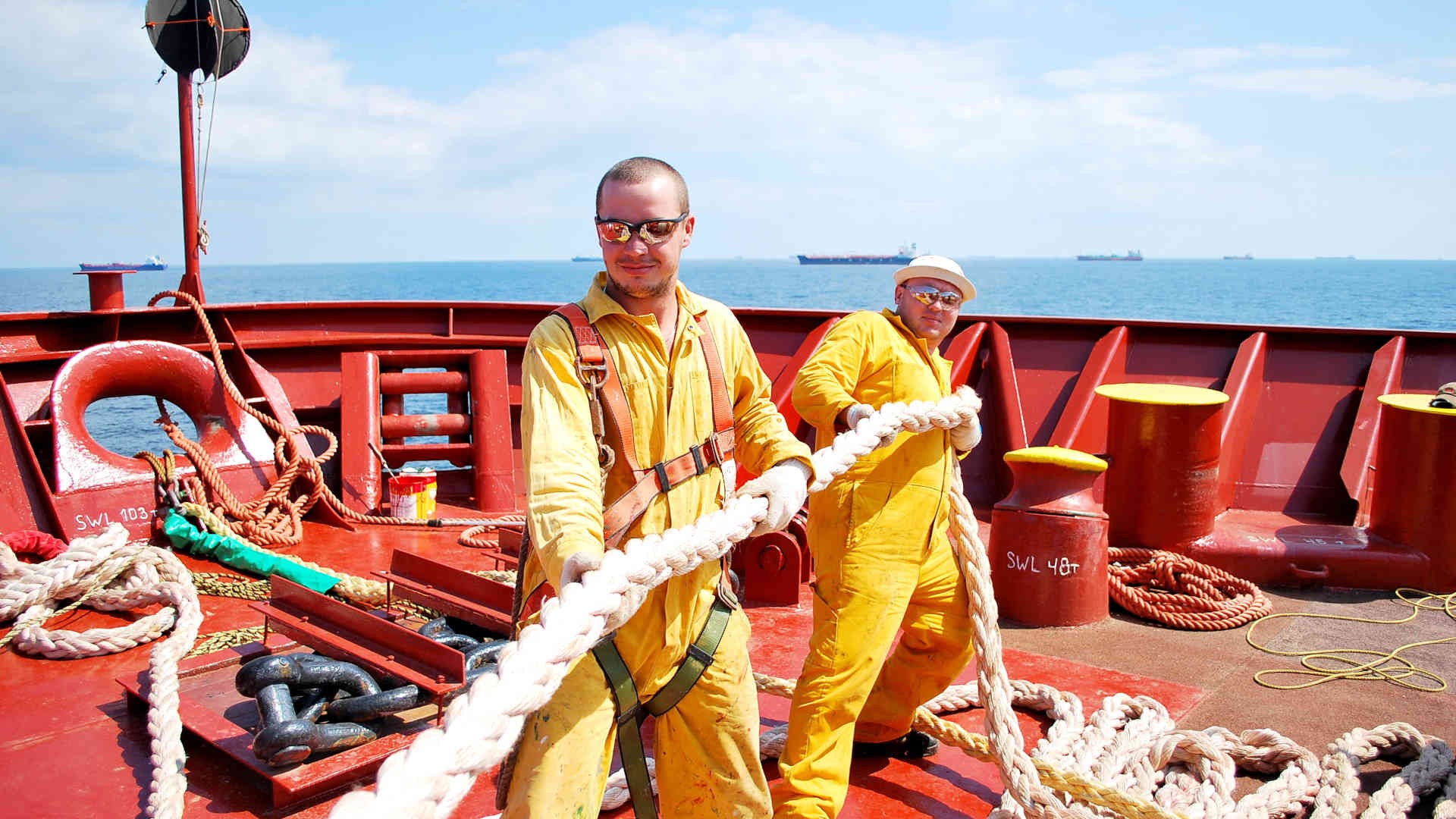
Crew well-being shifting from welfare issue to a maritime safety requirement
Seafarer well-being is moving deeper into the maritime safety and compliance regime as regulators strengthen requirements covering harassment, fatigue, mental health care and medical risks

Source: Lloyd's List

Related articles
Sea news
South Korea’s first Northern Sea Route container voyage exposes Arctic challenges

Sea newsItaly general strike threatens rail and port freight operations
Sea newsSeafarer fatigue persists despite years of warnings over work-hour breaches
Sea newsMaersk confirms new megamax boxship order as fleet modernisation and expansion accelerates
Sea newsBattery-powered fleet expands as deepsea sector awaits breakthrough
Sea newsPort delays remove 3m teu of containership capacity