
THREE confirmed hijackings and at least two attempted attacks in the past week alone off the northern Somali coast have confirmed what security analysts have been warning for months — a resurgent piracy threat.
What started at the beginning of the year as a series of localised incidents has escalated to the point that there are now two confirmed pirate groups stalking the Somali coastline for targets.
Isolated opportunism has effectively hardened into coordinated pirate activity.
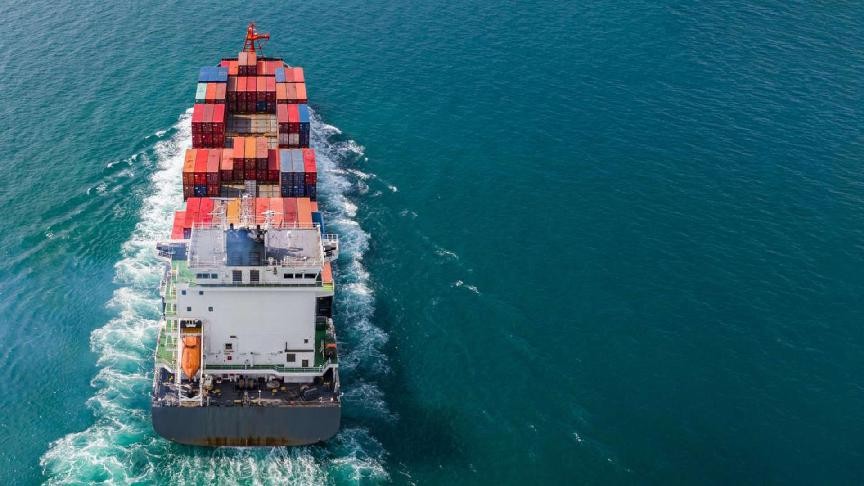
The latest seizure — a St Kitts and Nevis-flagged cargoship Sward (IMO: 9174244) was boarded by armed pirates while under way south of Eyl on the Somali coast on April 26.
That hijacking was conducted using a dhow that the pirates had taken a day before further up the coast, then both vessels were directed into Somali territorial waters.
On April 21, a Palau-flagged product tanker Honour 25 (IMO: 1099735) was hijacked as it was sailing about 45 nautical miles off Mareeyo.
The spike in activity comes with the tell-tale signs of legacy piracy tactics like the use of hijacked dhows to act as motherships.
For now, the incidents have stuck close to Somali coastal waters and the pattern of attacks suggest target selection is being driven by proximity and opportunity, rather than capability escalation.
Operating in such confined coastal waters is partly tactical on the part of the pirates. It reduces reaction time, limits manoeuvring options and places vessels squarely within reach of shore-based intelligence and launch points.
The hijacking of dhows as motherships, however, suggests that extending the range of attacks could be a possible escalation.
According to the European Union naval force patrolling the region, the threat remains contained for the moment and this is not a full resurgence of Somalian piracy.
“We do have two pirate action groups that managed to perform two successful attacks against unregistered and unprotected vessels close to the coast of Somalia,” conceded Captain Konstantinos Tsaprazis, head of the intelligence branch of EU’s naval operation Atalanta.
“But in general, piracy in Somalia faces critical and fundamental issues and therefore cannot be regenerated,” he explained.
The vessels taken to date have been operating close to the Somali coast and not following the established defensive operations outlined by the industry’s well established ‘best management practices’, known as BMPs.
The further out the pirates venture, even with the use of motherships, the less likely it is they will be able to find ships unaware, or not following BMP guidelines.
“They may use the mother dhows to extend their range but that means that they will be more easily intercepted by warships in the region and also more difficult to encounter vessels not implementing BMPs,” said Tsaprazis.
“On the other hand an attack from the coast with simplistic means like a skiff would be much easier, but even that will become less profitable and more dangerous as the Somalian police is becoming more effective and large vessels in general are now avoiding sailing close to the coast”.
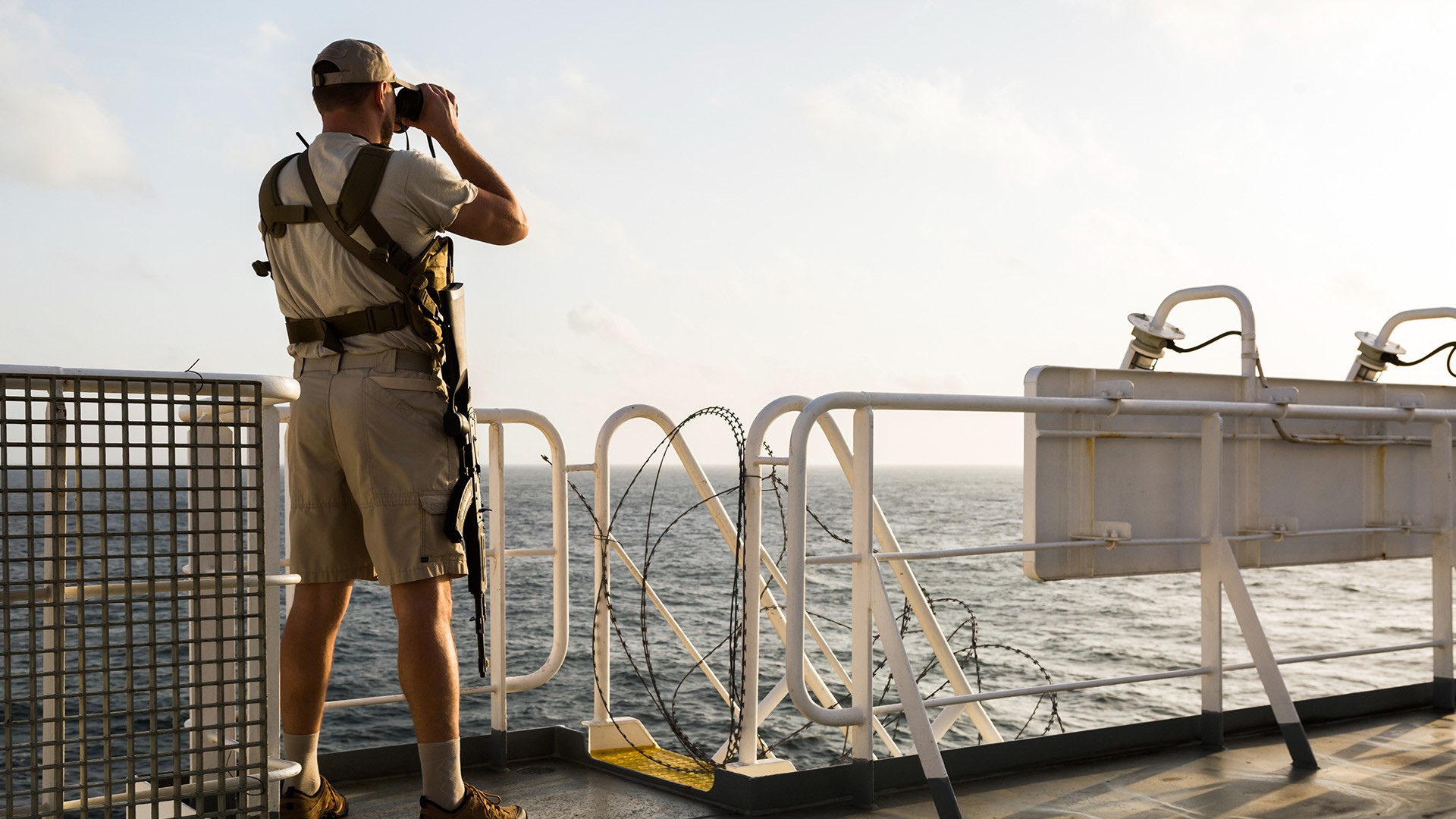
In the wake of the recent spike of attacks, industry groups and private maritime security firms have been rushing to advise shipping firms to review security procedures and re-think routeing close to the Somali coast, which should now be considered a “heightened threat environment”.
“This is a targeted exploitation of near-coastal exposure, not a random spike in activity,” security firm Marisks advised their clients on Tuesday.
“The operating environment within Somali territorial waters is inherently permissive to piracy, and vessels entering this space without robust mitigation measures — including armed protection — are accepting a material and avoidable level of risk”.