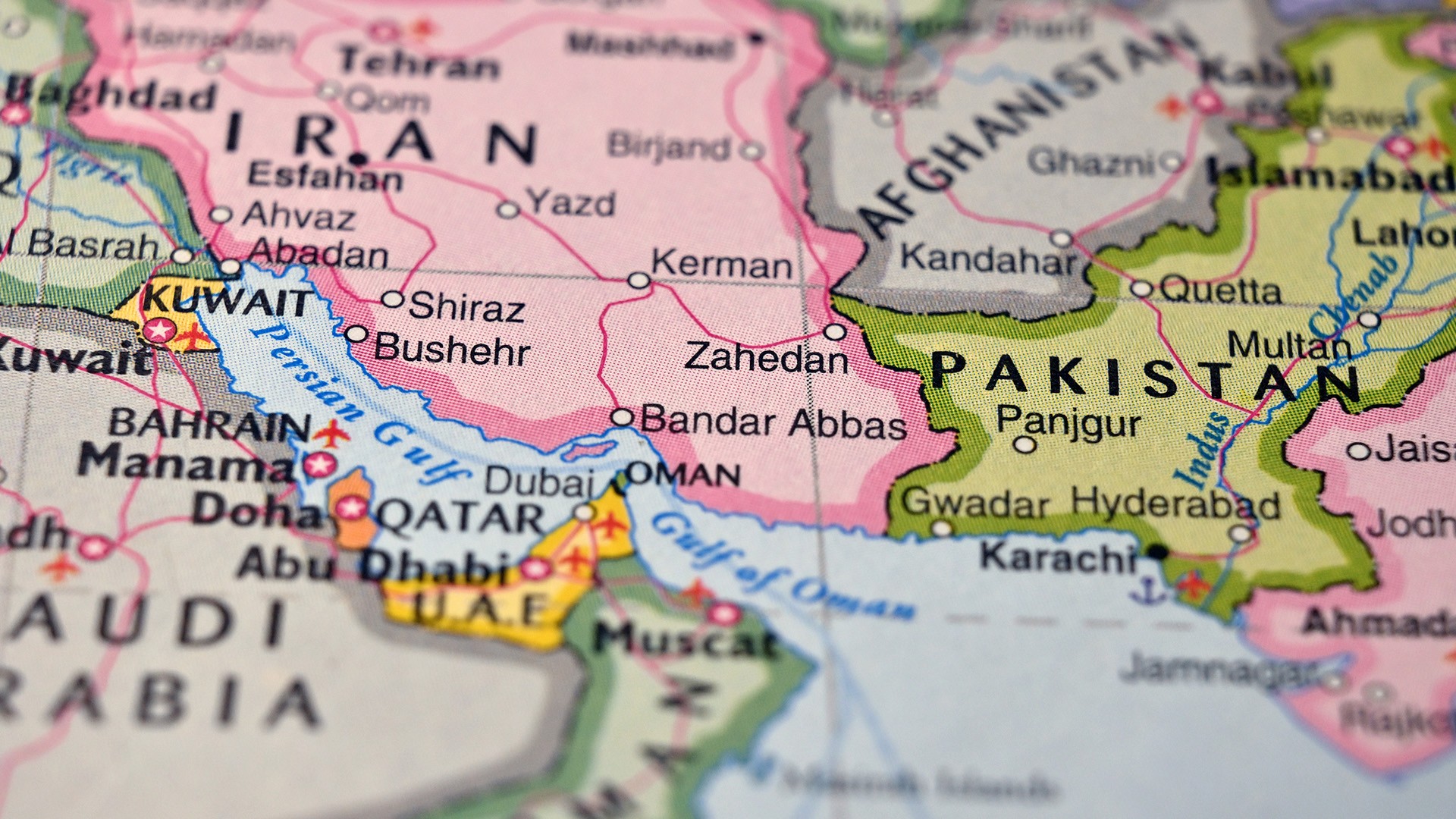

The Strait of Hormuz has entered a period of dramatic change, presenting significant challenges and uncertainties for the container shipping industry and its customers.
Recent developments have seen Iran’s Islamic Revolutionary Guard Corps (IRGC) assert increasing control over transit through the strait, introducing tolls and preferential passage for vessels from “friendly” nations, while the United States is now contemplating its own toll system amid ongoing geopolitical tensions.
The potential emergence of a "tollbooth" system
Iran’s evolving “tollbooth” system requires ship operators - regardless of vessel type - to navigate a complex process involving intermediaries linked to the IRGC.
Operators must submit detailed information about their vessels, cargoes, and crews, and are subject to background checks to ensure no links to countries Iran deems hostile. The toll negotiations, which reportedly include a ranking system for nation-states, signal a shift toward formalised fees for transit, potentially paid in foreign currency or digital assets.
Although much coverage has referenced oil tankers, this system affects all commercial vessels, including container ships, raising operational costs and uncertainties for global logistics providers.
Legal and insurance complications for container shipping
The legal basis for these tolls remains unclear, with many maritime law experts questioning their legitimacy under international law.
Operators in the container sector face difficult decisions: whether to pay these tolls, how to comply with evolving sanctions regimes, and how to manage soaring insurance costs.
Several vessels have been targeted by drones and missiles, and the risk profile now extends beyond open-water transits to port infrastructure.
The expansion of attacks to ships at anchor in Gulf states means that container carriers and their customers must carefully assess physical risks, insurance premiums, and potential violations of sanctions or anti-money laundering laws.
Rapid changes in transit corridors and governance
In response to heightened risks and Iran’s control, a dual-corridor system has emerged: the traditional IRGC-controlled northern route now operates alongside a new southern pathway hugging the Omani coastline.
Maritime intelligence reports suggest this change was implemented swiftly, enabling coordinated multi-vessel transits and offering alternative routes for commercial vessels, including container ships.
However, the situation remains fluid, and the stability of these corridors is uncertain.
Trump suggests US tolls for the Strait of Hormuz
US President Donald Trump has floated the idea of the United States imposing its own tolls on Hormuz transit, further complicating the governance of the strait. Both Iranian and US officials have signalled that the post-war management of Hormuz will differ fundamentally from previous arrangements, with new protocols and agreements likely to shape vessel movement for years to come.
For the container shipping industry, these developments could translate into higher costs, greater legal and security risks, and potential supply chain disruptions.