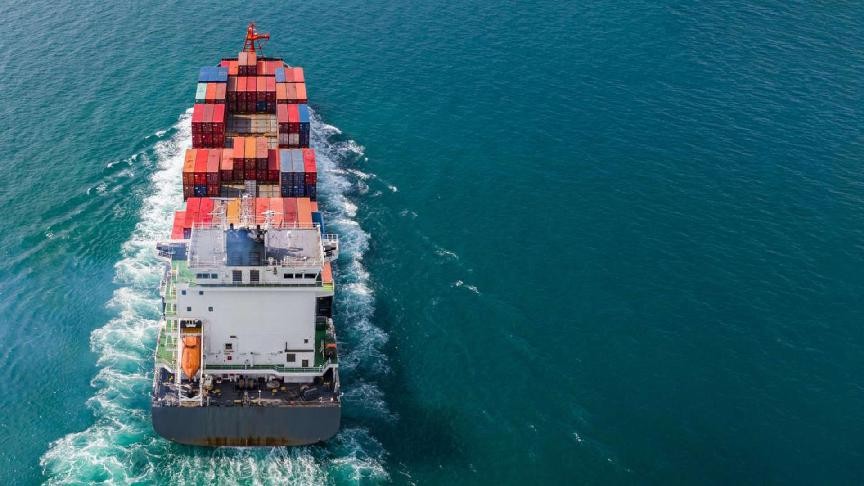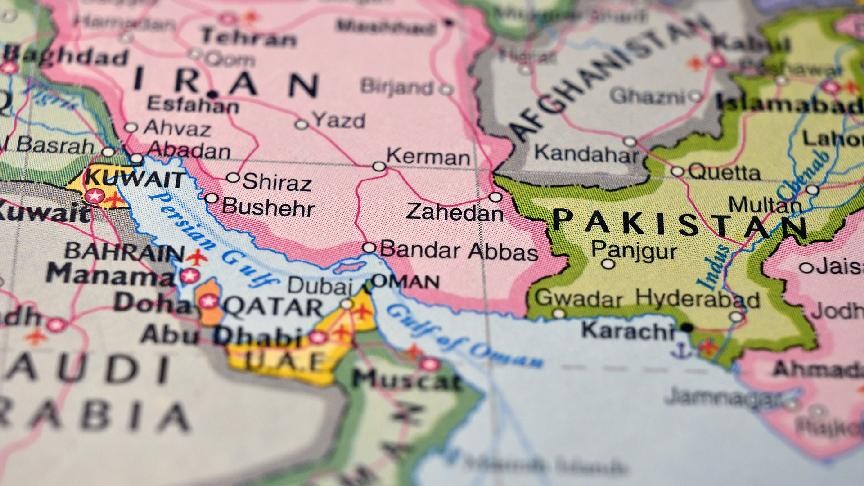

The current conflict in the Middle East is posing challenges to South African exporters, obstructing maritime routes and preventing fruit and other goods from reaching key market destinations.
Local reports indicate that most seaborne fruit cargo is now subject to delays, placing pressure on growers already operating on narrow margins.
When shipments fail to reach their intended markets and cannot be rerouted due to regulatory limitations, exporters are required to absorb the associated financial losses.
According to World Cargo News, industry representatives have noted that rising operating costs are compounding the problem, particularly increases in fuel expenditure.
Broader concerns related to food security have also surfaced.
Emerging markets and lower‑income regions have been identified as particularly exposed, including countries in Africa that rely heavily on grain imports. Fruit exporters are also facing mounting uncertainty, especially as apples, pears and early‑season lemons begin their export cycle.
Riaan Ferreira, director of fresh fruit export management firm GF Marketing in Cape Town, described the challenge to World Cargo by saying: "Anything in the fruit business needs certainty so we can make decisions and move on. There is currently no route to the market. Costs have tripled, and risks have now increased".
It is an understatement to say it is complex, with the uncertainty the biggest issue.
Director of GF Marketing
Seeking alternative solutions
New shipping patterns have emerged as services connecting South Africa with ports in the Gulf face operational interruptions.
Some shippers resort to redirecting cargo originally destined for the Middle East towards the UK and Europe, though this approach remains constrained by the volatility of current conditions.
Others have described cargo en route as especially vulnerable, with some shipments intended for Gulf destinations blocked from entry and subsequently redirected towards alternative markets, including India, Oman and Sri Lanka.
Parallel to maritime challenges, South African freight operators are pursuing direct air links to destinations such as Amman, driven in part by the difficulties faced by cargo transiting through Dubai.
Time‑sensitive goods have been particularly affected, prompting efforts to secure charter flights departing from OR Tambo International Airport.
These discussions emerged around the period of Eid al‑Fitr, when exporters struggled to move perishable products to customers in a timely manner.
Concerns remain about the cost implications of charter operations, raising questions for exporters already contending with reduced margins.
Port congestion adds more challenges
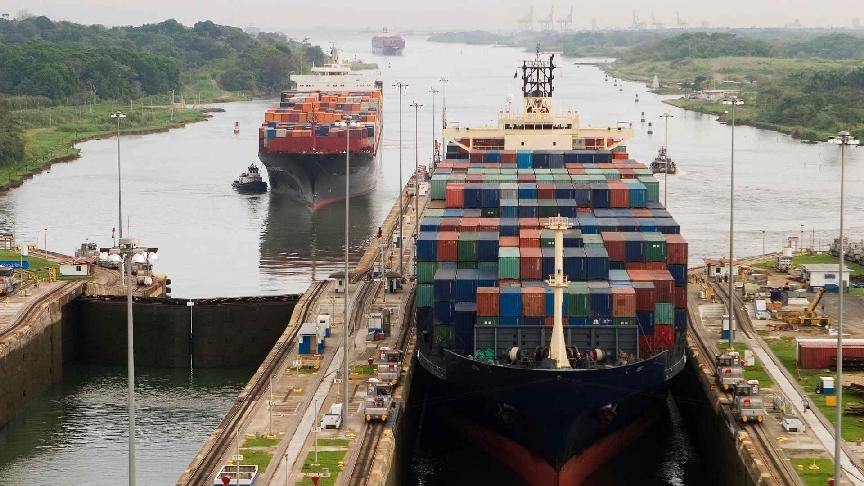
The situation has also led to growing congestion across several international ports as supply chains seek alternative corridors.
With shipping companies diverting vessels away from Gulf terminals, a wider network of ports is experiencing slower schedules, extended transit times and the introduction of surcharges.
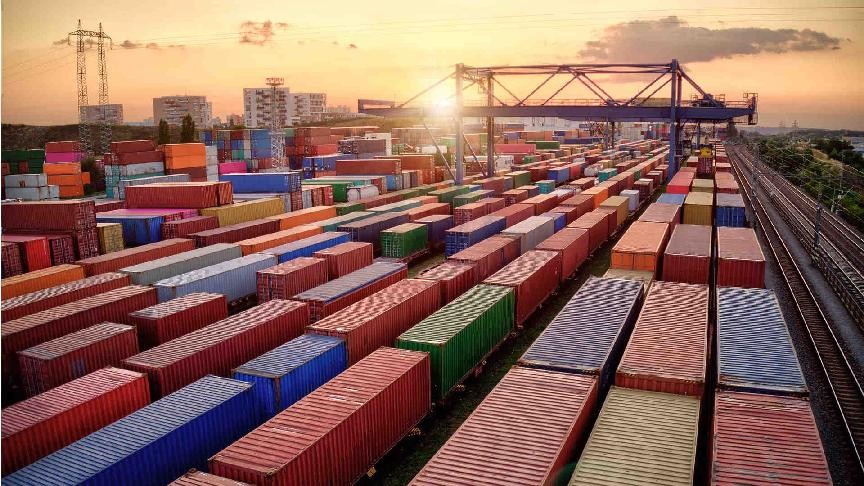
Analysts have reported elevated congestion levels at major transhipment hubs in Asia, with several facilities operating under increased strain as they manage diverted volumes.