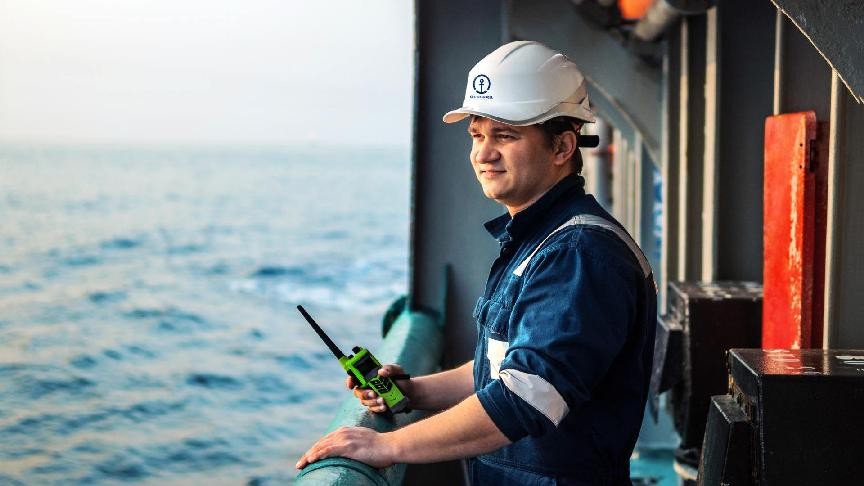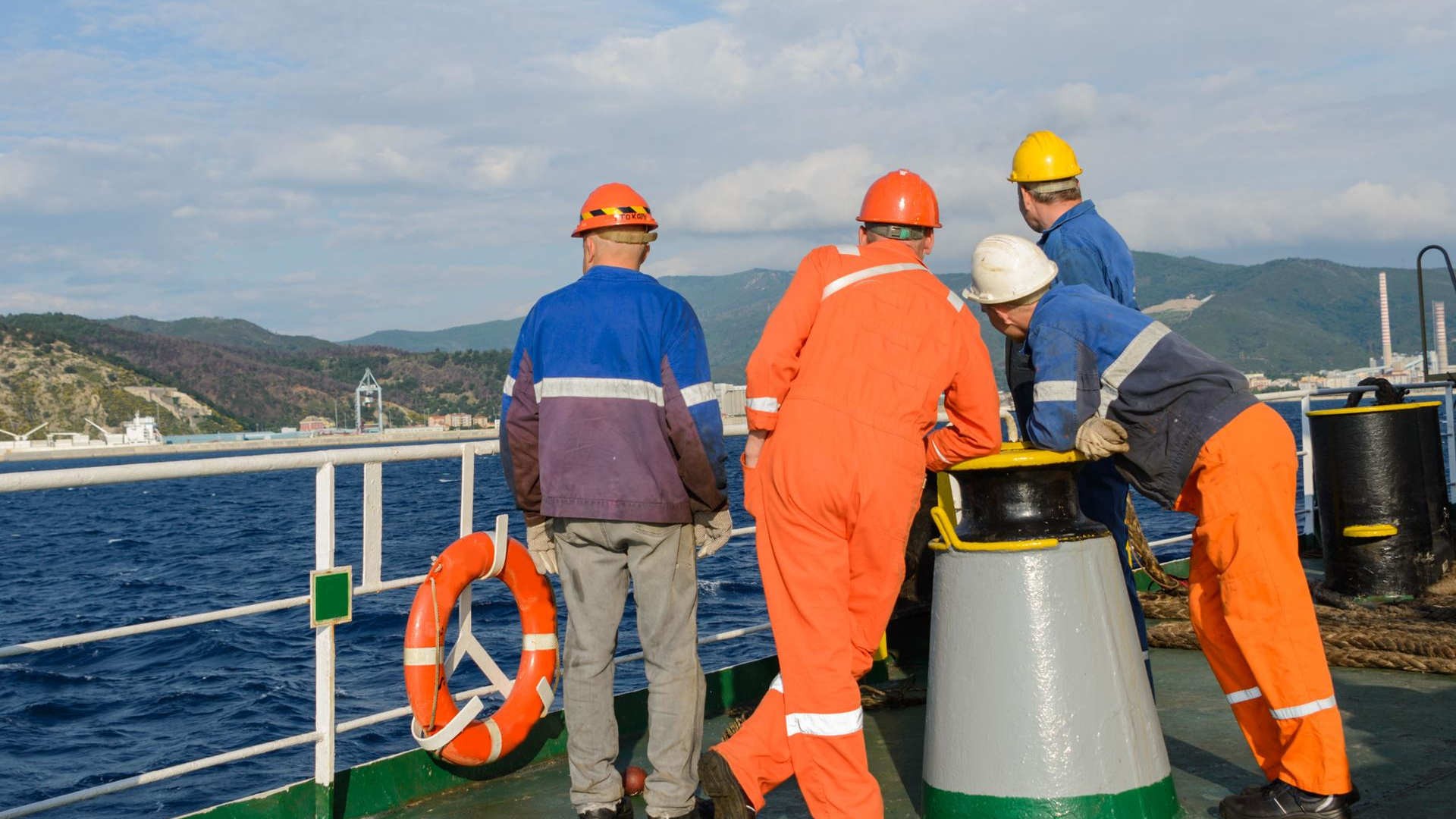

A MOUNTING mental health crisis may be unfolding among seafarers stranded in the Middle East Gulf, as prolonged danger and uncertainty take a serious psychological toll.
Charles Watkins, founder and director of clinical operations and clinical psychologist at Mental Health Support Solutions, warned that while seafarers are typically resilient, those operating in high-risk areas face an elevated risk of mental deterioration.
In recent weeks, Watkins has intervened in several critical cases aboard ships affected by the region's ongoing crisis. Crew members exposed to nearby attacks have experienced acute stress reactions, with severe anxiety and panic attacks among the most common symptoms.
In some instances, individuals have had to be removed from vessels due to their condition.
MHSS, part of maritime healthcare provider OneCare Group, was established in 2022 in response to the pandemic, when crews were often unable to leave ships for extended periods. Today, the organisation supports shipowners, P&I clubs and managers across a global fleet of around 5,000 vessels.
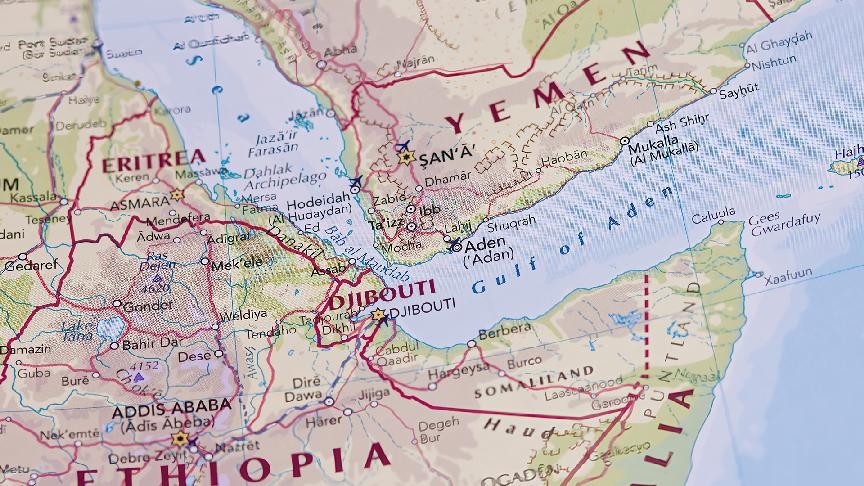
Since late February, nearly 30 attacks on commercial shipping have been recorded in the MEG, with 11 confirmed fatalities among crew, according to Lloyd’s List Intelligence data.
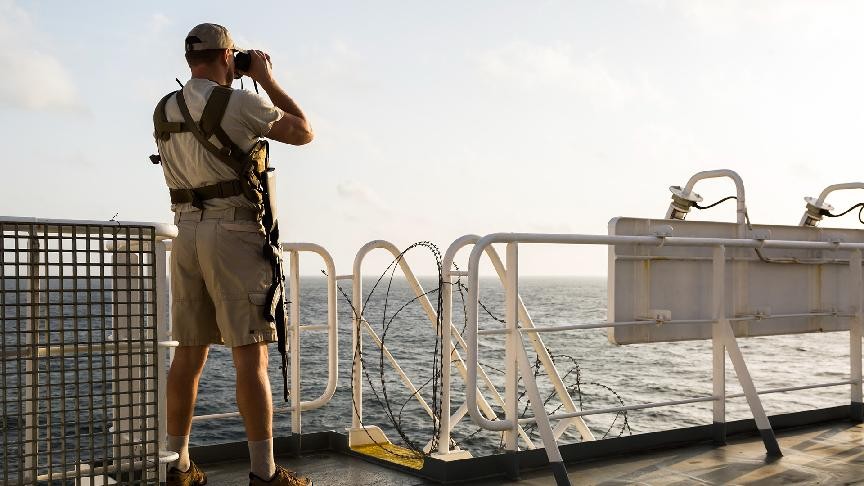
The threat of missile attacks, combined with the inability to leave vessels, is intensifying psychological strain.
Watkins also highlighted the often-overlooked impact on families ashore. Limited communication and uncertainty about loved ones’ safety are contributing to heightened anxiety among relatives.
“The absence of reliable information creates a ripple effect — what happens at sea deeply affects wellbeing at home,” he said.
For many crews, the uncertainty surrounding contract completion and repatriation is a major source of stress. With vessels anchored far from shore, routine crew changes may not be possible, leaving seafarers effectively trapped.
Watkins reported at least two recent cases of potential self-harm linked to the deteriorating mental health of crew members.
“They are in a situation where they may fear for their lives, witnessing explosions on nearby ships with no means of defence. That level of exposure can significantly accelerate mental decline,” he said.
New cadets on their first assignments are considered particularly vulnerable, often reluctant to voice concerns to senior officers. At the same time, captains and chief engineers face additional pressure, balancing operational responsibilities with the wellbeing of their crews.
Watkins stressed that early intervention is critical. Even small acts of support from colleagues can prevent more serious deterioration. He also pointed to the importance of culturally sensitive approaches, noting that multinational crews may respond to stress in different ways.
Lloyd’s List Intelligence data shows that there are between 600 to 700 merchant vessels remaining in the MEG, which serve on trades operating to outside the area. They have an estimated combined 12,000 crew on board.