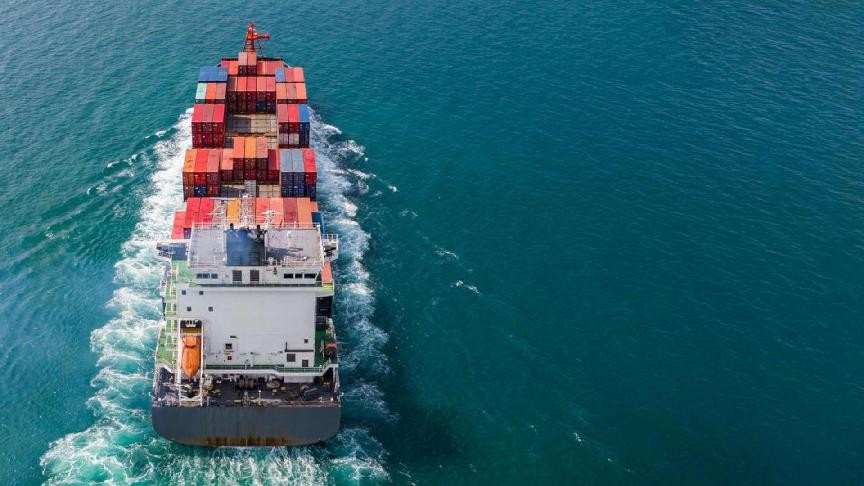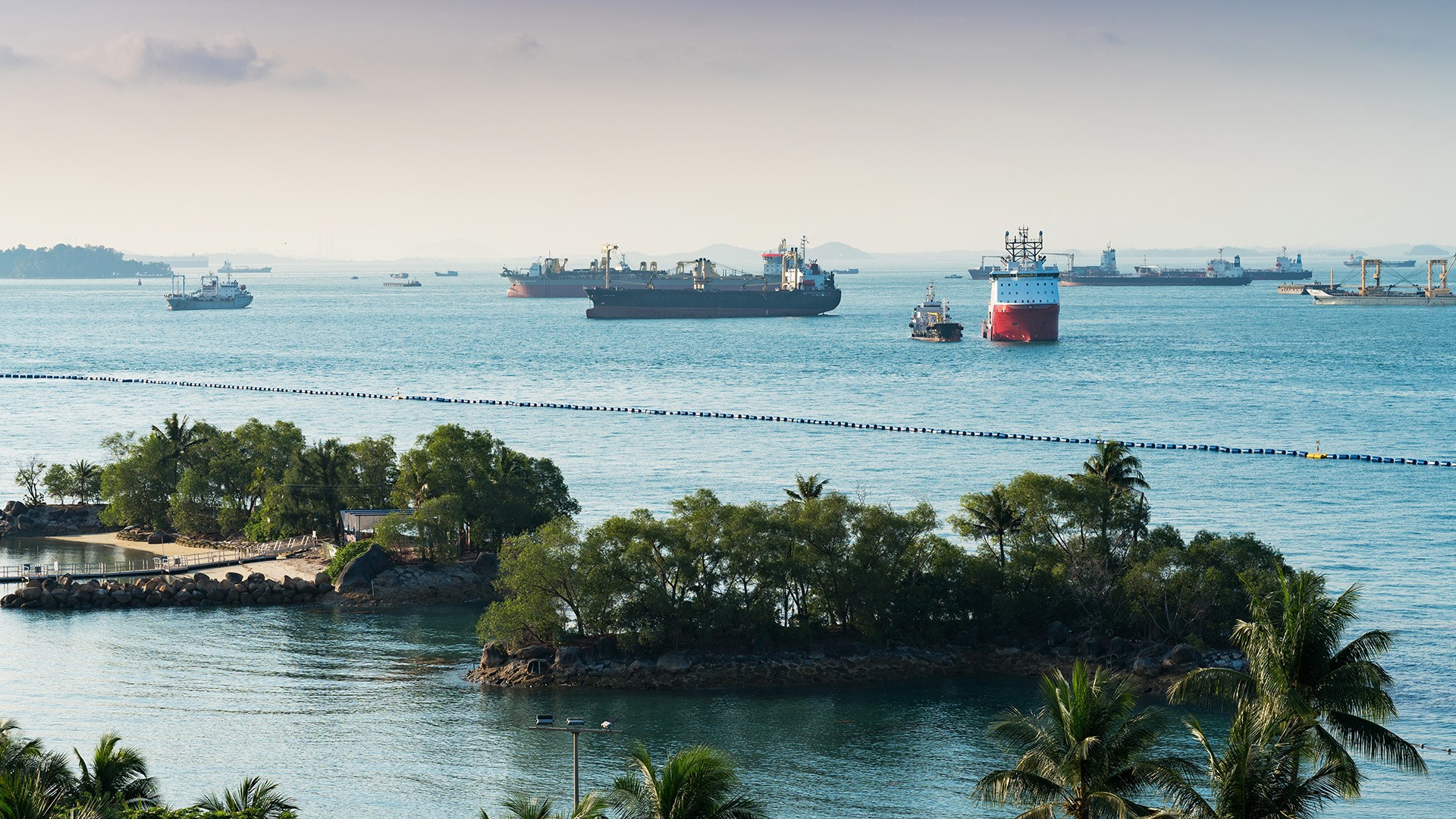

THE states bordering the Straits of Malacca and Singapore have reaffirmed their commitment to keeping the vital shipping corridor open to international trade, citing growing concerns over the vulnerability of global maritime chokepoints.
Singapore, Malaysia and Indonesia issued a joint statement at the 17th Cooperation Forum, pledging to keep the SOMS “free, open and safe for international shipping”.
“Events in the Middle East this year reminded the world that open sea lanes can never be taken for granted,” said Singapore transport minister Jeffrey Siow, describing the SOMS as a critical artery for global commerce.
The three littoral states meet annually to discuss management of the waterway, a key route linking Europe and the Middle East with Asia.
According to the Centre for Strategic and International Studies, more than $2.4trn of trade passed through the straits in 2024, accounting for just over 20% of global trade. Crude oil, ores and mined products represented 24.5% of cargoes transiting the waterway, while refined oil, liquefied natural gas and other processed mineral products accounted for 18.8%.
Recent disruption in the Strait of Hormuz has prompted questions over the resilience of other strategic chokepoints and whether they could face similar threats to freedom of navigation.
Noer Hassan Wirajuda, Indonesia’s former foreign minister, argued that such risks are significantly lower in Southeast Asia because of the region’s co-operative security framework and stronger political ties among coastal and neighbouring states.
“The Middle East Gulf lacks an inclusive regional security architecture comparable to Association of Southeast Asian Nations. There is no equivalent of the ASEAN Charter, there is no equivalent to the ASEAN Treaty of Amity and Cooperation binding major regional actors, and there is no comparable regional political culture of sustained consultation,” he said.
Wirajuda also credited the security of the SOMS to the relative political stability of Southeast Asia, contrasting it with a Middle East Gulf region “shaped by wars, rivalry, proxy conflicts, and deep geopolitical divisions”.
Hormuz conflict had limited impact on SOMS traffic
Despite disruption in the Middle East, vessel traffic through the SOMS remained largely unaffected during the first half of 2026.
Lloyd’s List Intelligence vessel-tracking data shows an average of 4,364 vessels transited the straits each month between January and June. Bulk carriers accounted for 39% of monthly transits on average, followed by containerships at 26% and crude tankers at 11%.
The biggest impact from Hormuz was on shadow fleet* transits, namely, Iran-flagged vessels which made up 1% of total vessel transits prior to the conflict.
The sharp fall in Iran-flagged vessel transits was mainly due to the imposition of the US blockade which prevented loadings at Iranian ports. Traceable transits of Iran-flagged vessels fell 89% in May from the previous month after the US blockade of Iranian exports was imposed between April 13 and June 18, severely restricting cargo loadings at Iranian ports.
Shadow fleet vessels represented about 4% of traffic between January and April, but declined to 2% in May and June.
Iran-flagged ships accounted for an average of 27% of shadow fleet transits through the straits between January and April. That share dropped to just 4% in May, driving the broader decline in shadow fleet movements.
Contrasting interpretations of UNCLOS Article 43
The Middle East conflict has also reignited debate over the use of Article 43 of the United Nations Convention on the Law of the Sea after Iran introduced transit fees in the Strait of Hormuz, citing environmental and other services provided to shipping.
World Shipping Council president Joe Kramek said Tehran’s approach amounted to a misuse of Article 43 to justify tolls on international shipping.
“If such tolls are allowed to be implemented under an Article 43 regime, we could see them easily propagating and putting all this at risk,” he said.
Article 43 requires user states and states bordering a strait to co-operate in establishing and maintaining navigational and safety aids, improving international navigation and preventing pollution from ships.
Kramek contrasted Iran’s approach with the long-standing collaboration among ASEAN states, describing the SOMS framework as “a beacon to the world” for using Article 43 to improve safety, navigation and environmental protection.