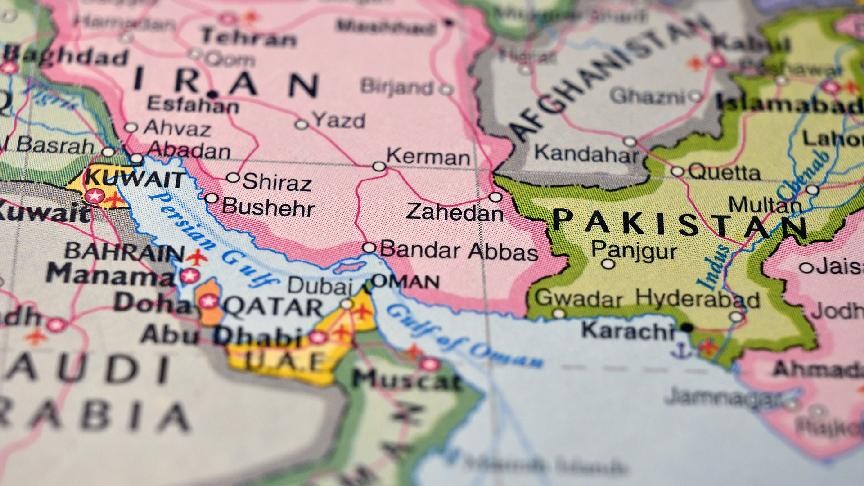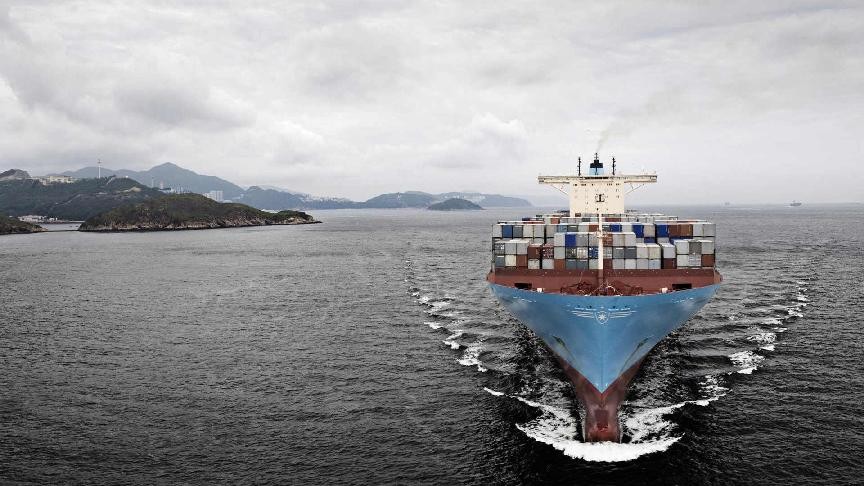

VESSELS opting to transit the Strait of Hormuz must do so via two prescribed routes, the Islamic Revolutionary Guard Corps Navy has warned in its latest announcement.
All vessels that want to make the trip through the chokepoint must coordinate with the IRGC Navy and use the two new prescribed routes to avoid potential naval mines, the force said.
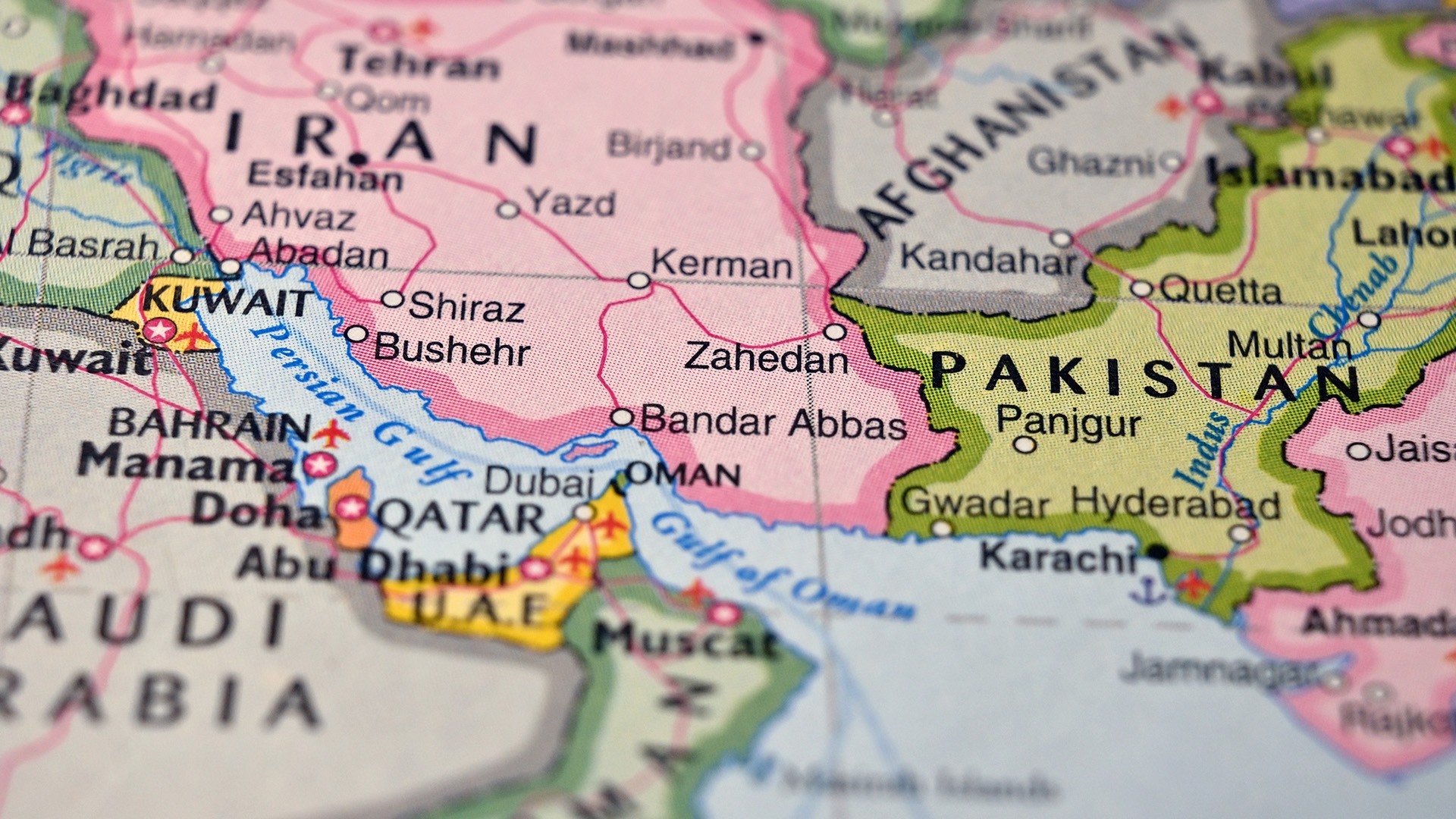
Eastbound traffic (out of the Middle East Gulf) will continue to use a route similar to the existing traffic-separation scheme, but westbound traffic (into the MEG) will be diverted northwards, towards the Iranian coast and around Larak Island.
This route has been used by tankers transiting the strait in both directions for some time now, with the IRGC using Larak Island as a checkpoint to verify the credentials of vessels seeking to transit.
Iran’s deputy foreign minister Saeed Khatibzadeh told ITV that the Strait of Hormuz was open for commercial shipping, despite continued reports of IRGC announcements that the waterway remains closed.
Khatibzadeh said the strait was open to everyone, providing they coordinate with Iranian forces.
“Technical restraints” and “wartime conditions” were behind the new separation scheme, he said, including the potential for mines.
Analysts have continued to question whether the strait has actually been mined or not.
EOS Risk Group head of advisory Martin Kelly suggested this scheme could be Tehran’s way of tightening its grip on the chokepoint. Masters, owners, charterers and insurers would be more likely to opt for a “safe” route, he said, if they think the strait has been mined.
Yesterday’s ceasefire announcement was met with a hefty dose of caution within the shipping industry, and this was demonstrated by a trickle of vessels choosing to transit the supposedly open Strait of Hormuz.
There are still a considerable number of vessels stuck inside the MEG. Kelly estimated that nearly 1,000 vessels would need to exit in the remaining 13 days of the ceasefire (if it holds that long) for the backlog to be cleared.
Reports of toll fees being charged by Tehran have not yet transitioned into formal plans, but some estimates have suggested Iran could net hundreds of billions of dollars were it to charge vessels a transit fee.
UK foreign secretary Yvette Cooper today called for the Strait of Hormuz to be fully reopened. She told the BBC there should be no tolls or restrictions on the chokepoint.