
Recent developments in the Indian container shipping landscape are reshaping operational strategies, regulatory frameworks, and investment priorities.
Port Disruptions and route adjustments
The disruption at Salalah Port in Oman, regulatory shifts in India’s cabotage policy, and Hapag-Lloyd’s deepening engagement with Indian ports collectively signal a period of significant transition for regional logistics and global trade flows.
Stop-and-start operations at Salalah Port - triggered by a drone strike and subsequent temporary suspension - have added complexity to already strained carrier schedules on Indian westbound trades.
Major lines, including Maersk and Hapag-Lloyd, rely on Salalah as a critical hub for their India-Europe/Mediterranean and India-US East Coast services.
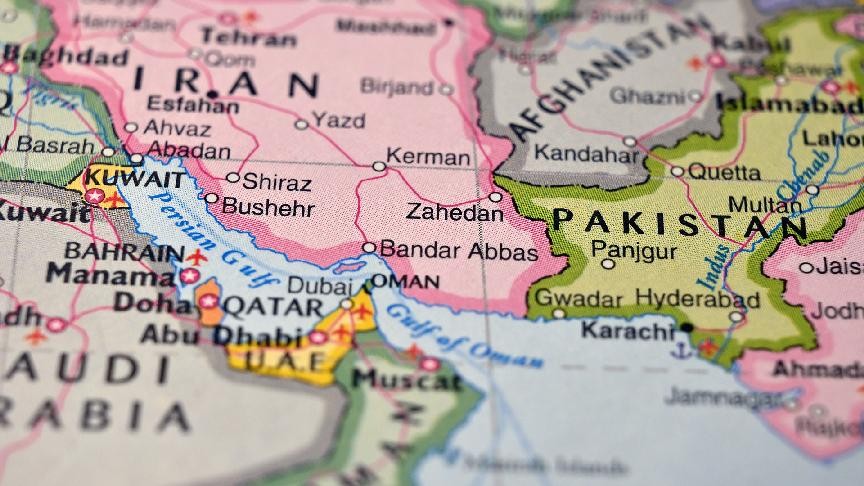
With Salalah’s closure, carriers have been forced to reroute, notably by reinstating port calls at Karachi, Pakistan.
For example, Hapag-Lloyd’s India-USEC INDAMEX service has diverted to Port Qasim, with the Niledutch Lion scheduled to arrive in Karachi on April 9 following its departure from Mundra, India on April 7.
Multimodal logistics and regional collaboration
These disruptions have accelerated the shift from traditional port-to-port shipping toward integrated multimodal solutions.
Ocean carriers are now leveraging regional land bridges and sea-land networks – supported by collaborative efforts among Gulf states such as the UAE, Oman, and Saudi Arabia - to ensure cargo flows remain resilient.
Initiatives like the partnership between Gulftainer and the Saudi Ports Authority to connect Sharjah and Dammam, and Saudi Arabia’s regulatory relaxations for trucking and container storage, exemplify the industry’s drive for supply chain reliability.
Major liners have also increased shuttle sailings and container evacuations from Indian ports to Middle Eastern destinations, using trucking for onward connections.
Regulatory uncertainty and policy reprieve
The Indian government has postponed for six months the enforcement of its revised cabotage policy, which would have revoked coastal shipping freedoms extended to foreign-flag vessel operators in 2018.
This regulatory reprieve comes amid industry appeals and the ongoing Middle East crisis, which has led to Indian ports handling substantial volumes of rerouted Persian Gulf-bound containers.
The Ministry of Ports & Shipping cited stakeholder concerns about route planning, insurance costs, and vessel deployment in the current geopolitical climate.
Industry observers interpret the delay as both a response to operational challenges and a strategic move, as global carriers demonstrate increased commitment to India by reflagging vessels for local registry.
Maersk, CMA CGM, Mediterranean Shipping Co., and Hapag-Lloyd have all either added or plan to add ships to the Indian flag.
The Container Shipping Lines’ Association (India) welcomed the government’s decision, noting the necessity of cabotage relaxations given the surge in transshipment activity at Indian ports. The policy pause is seen as facilitating industry adaptation and encouraging investment, reinforcing India’s emergence as a regional transshipment hub.
Strategic investments and market expansion
Hapag-Lloyd’s ongoing expansion in the Indian market is marked by its increased stake in JM Baxi Ports and Logistics, now at 50% following a series of capital injections and structural reorganisations.
The Hamburg-based carrier holds effective control over Baxi’s container terminal portfolio, which spans key locations including Kandla, Haldia and Visakhapatnam.
This investment aligns with Hapag-Lloyd’s broader strategy to deepen its presence in India - one of the world’s fastest-growing shipping markets.
In addition to its stake in JM Baxi, Hapag-Lloyd has signed three letters of intent with the Indian government covering vessel reflagging, ship recycling, and port development.
The company aims to grow its India-related volumes to approximately 3 million TEU by 2030, further cementing its position in global container trades and supporting India’s aspirations as a logistics and transshipment hub.
As India navigates these disruptions, policy shifts, and strategic investments, the nation is poised to solidify its role as a pivotal force in the future of global container shipping.