
A series of new green shipping corridors has emerged this year, with China, India, and Brazil among the nations establishing these routes despite ongoing regulatory uncertainty.
The International Maritime Organisation (IMO) postponed its net-zero framework for one year following a decision in October, creating ambiguity around investment in alternative fuels.
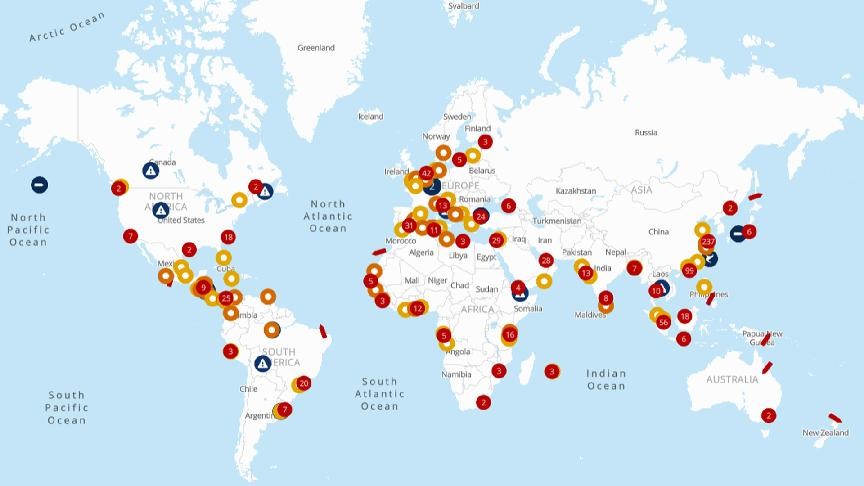
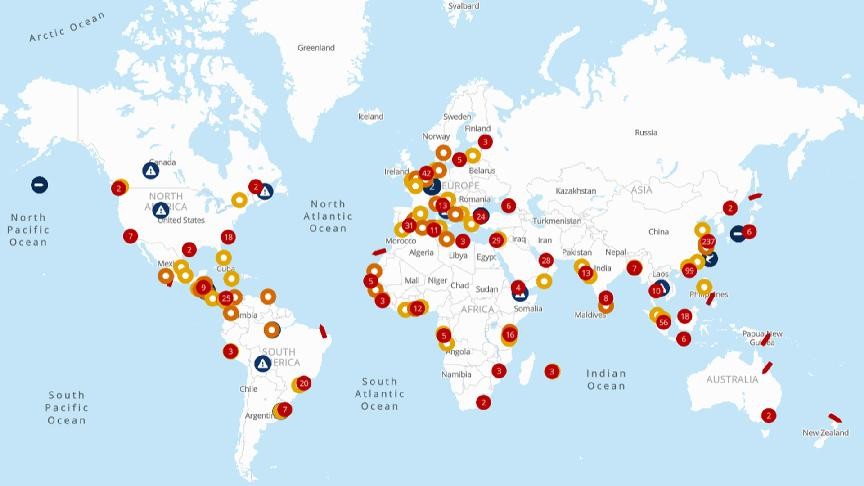
Nevertheless, 25 new green corridors have been launched, increasing the total to 84 active corridors worldwide.
Major developing economies are participating for the first time, as highlighted in a recent progress report by Getting to Zero Coalition and the Global Maritime Forum.
What are shipping corridors, and do they have a real impact?
Green shipping corridors are defined as trade routes designed to demonstrate and drive scale in zero-emission fuels, vessels, and technologies. They were established in November 2021 to scale sustainable fuels and technologies.
These corridors prioritise low- or zero-emission shipping solutions, utilising clean energy, sustainable fuels, and innovative technologies to reduce carbon footprints.
One of the major corridor projects was established between Rotterdam Port and Singapore Port, and it showed that these initiatives have the potential to reduce carbon emissions in container shipping.
Despite this potential, progress remains uneven: only four corridors have reached the operational stage, while many remain stalled due to various reasons.
These include a significant cost gap between conventional and zero-emission fuels, infrastructure readiness issues, and regulatory uncertainty.
Challenges and regulatory delays
Despite the expansion, many of the new initiatives face a “feasibility wall” due to the significant cost gap between conventional and zero-emission fuels.
The report identifies a lack of government action as the primary bottleneck, a challenge that is further exacerbated by the delayed IMO framework.
Stakeholders agree that green corridors are essential for meeting climate goals, but their success depends on stronger policy frameworks, financial incentives, and collaboration across the value chain.