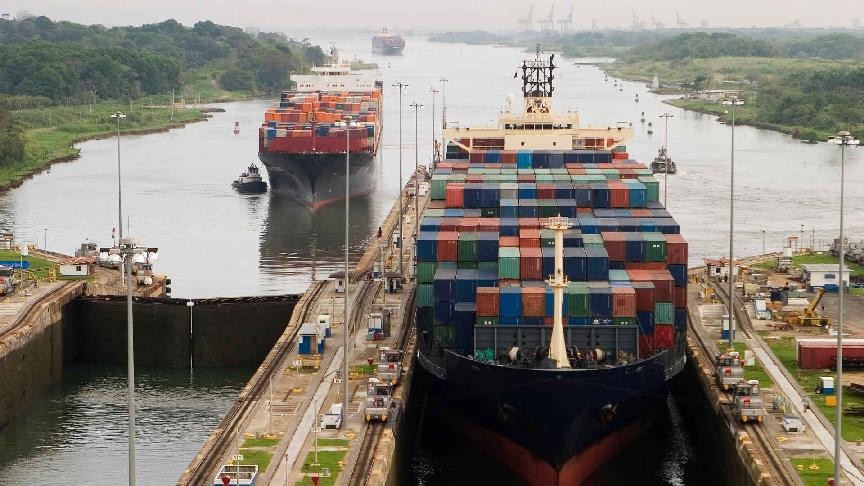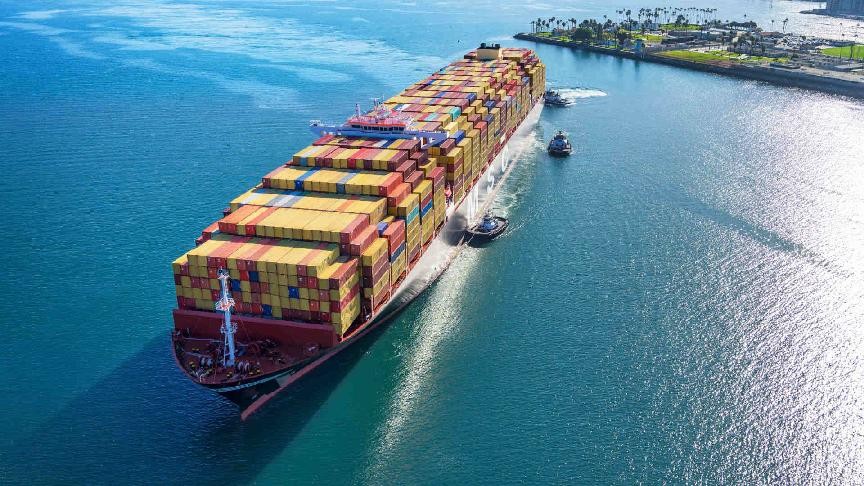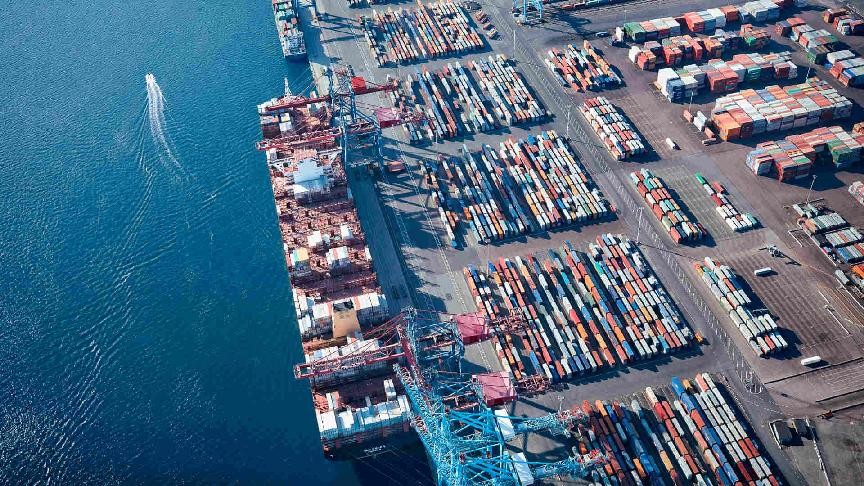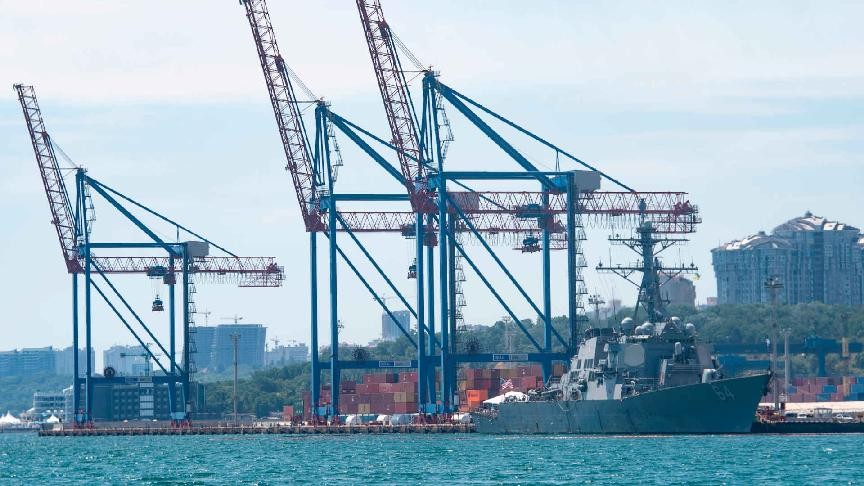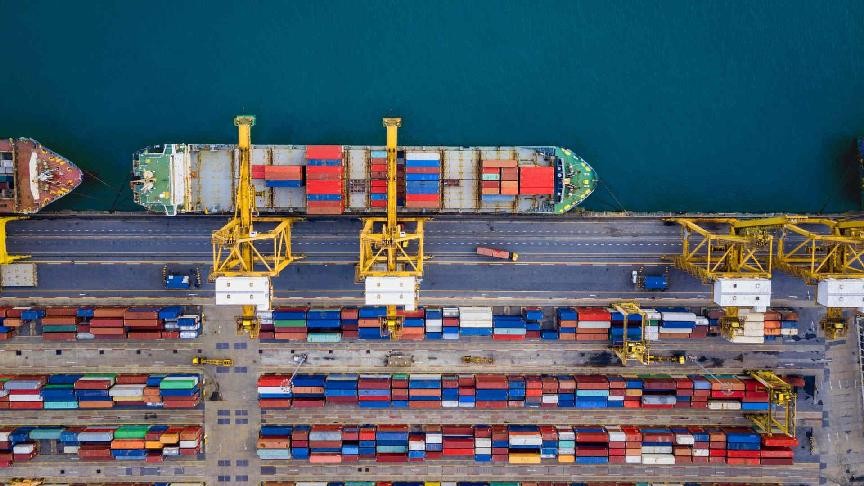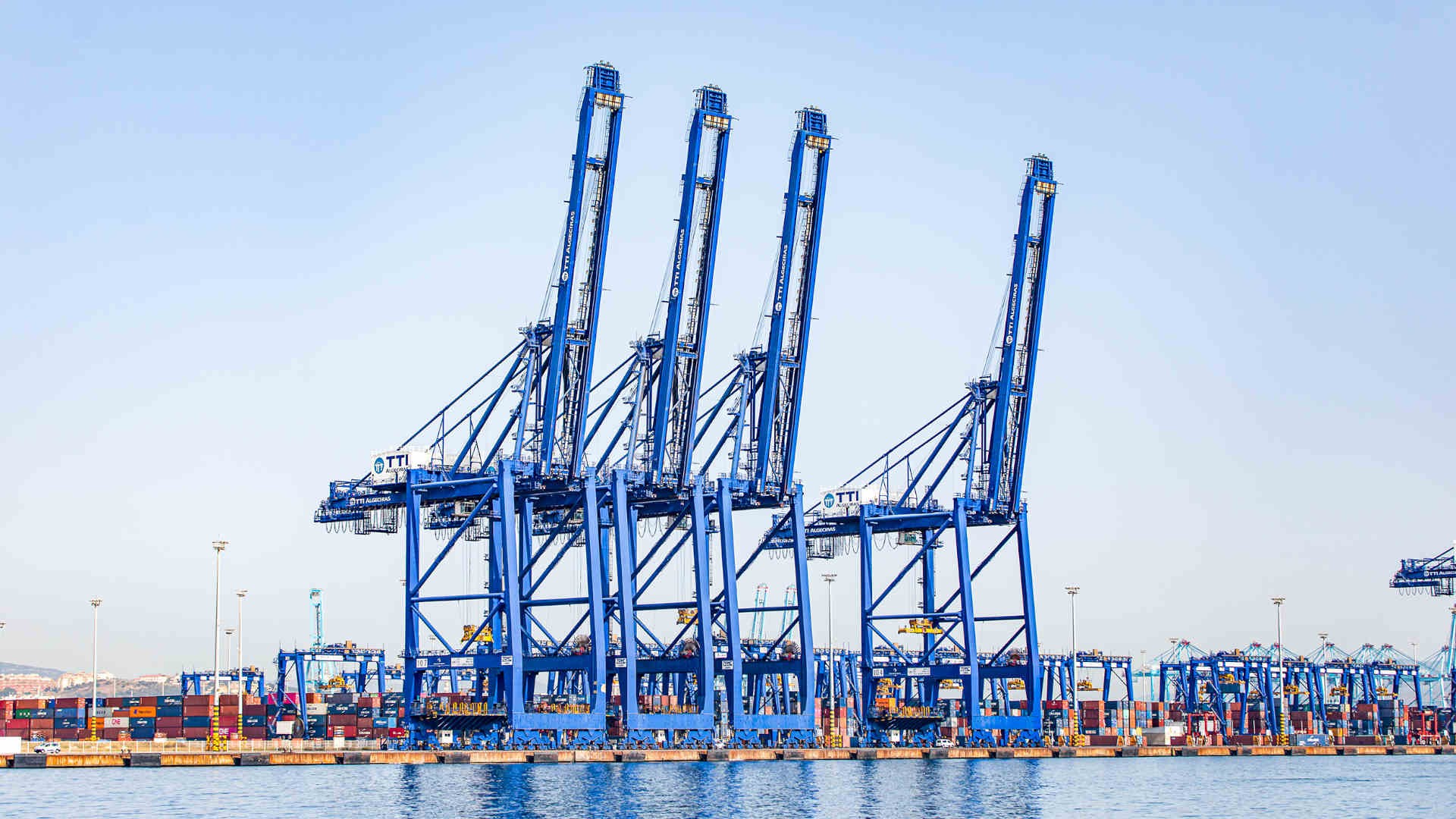

LONGER vessel turnaround times are both a symptom and a cause of supply chain fragility, while ports that strengthen their operational resilience are increasingly the ones keeping global containerised trade moving.
These were the main conclusions taken from the 2025 Container Port Performance Index, which shows a global port system still struggling to absorb the shocks of geopolitical instability, climate driven disruption and volatile shipping networks.
The latest edition of the index, published by the World Bank Group and S&P Global Market Intelligence, found that vessel turnaround time at box ports has lengthened once more, signalling mounting pressure on the maritime nodes that underpin global containerised trade.
This deterioration however is uneven, shaped by sharply diverging regional trajectories.
East Asian ports continue to set the global benchmark, reinforced by sustained investment, digital maturity and intensifying competition.
Several ports in upper middle income economies in East and South Asia again outperformed many high income peers, a trend attributed to export orientation, inter port competition and sustained investment momentum, according to the latest CPPI.
Ports in both upper middle income and high income economies maintained shorter vessel turnaround times on average, supported by stronger infrastructure, higher crane intensity, more advanced digital systems and better coordination among stakeholders, the report noted.
Europe and North America
Box ports in Europe and North America meanwhile remain in a slow recovery phase, which are still wrestling with labour shortages and hinterland bottlenecks, while Sub Saharan Africa again recorded the lowest port productivity, reflecting structural capacity constraints and import heavy trade patterns, the report noted.
Unsurprisingly ports in the Middle East, despite being home to some of the world’s most advanced terminals, saw performance slip as the Red Sea crisis disrupted schedules and exposed the vulnerability of carrier’s tightly optimised networks.
The top five performers in 2025, Fuzhou, Dalian, Salalah, Mawan and Chiwan, were all characterised by “short, predictable vessel turnaround times for a given workload”.
“They combine adequate nautical access, sufficient berth and crane capacity, and well-integrated yard operations with stable coordination routines. Importantly, they limit unproductive waiting time and maintain a high share of vessel time in productive berth operations,” the report said.
The CPPI also highlighted those that have witnessed the most improved vessel turnaround times over the past five years. Between 2020 and 2025, Port Elizabeth, Khalifa Bin Salman Port in Bahrain, Posorja (Ecuador), Gothenburg and Doha posted the strongest cumulative gains, reflecting multi-year investment and operational reform.
On a year-on-year basis, the biggest “improvers” in 2025 were Durban, Freeport, Coega zone in Ngqura, Cristobal and Manzanillo in Mexico.
“These ports represent a range of regions and starting conditions, indicating that improvement is achievable through different pathways, including capacity expansion and operational improvements,” the report stated.
Supply chain stress and port performance interlinked
This year’s findings also accentuate how operational performance and wider supply chain stress now reinforce one another. The report concluded that port performance and supply chain pressures are “feeding directly into one another”, with congestion and rerouting both a cause and a consequence of longer vessel turnaround times.
“Understanding this two-way relationship is essential,” said Bertrand De la Borde, Global Director for Transport and Logistics at the World Bank.
“Ports are not just passively exposed to external shocks; they also dynamically shape how those shocks are transmitted,” he said. “They can either amplify disruptions or help contain them. Investing in port efficiency and digital management is not only beneficial to shipping lines, it is a core requirement to build more resilient supply chains and reduce the impact of volatility on economies and communities.”
In response, the report calls for targeted investment in operational efficiency, real time data sharing and flexible management practices to reduce vessel time in port and curb the propagation of delays.
The CPPI is published annually and draws on data from more than 400 container ports worldwide.