
ORDERS for alternative fuel newbuildings decreased 47% year on year in 2025, with 275 orders (excluding LNG carriers) placed versus 515 in 2024.
This mirrors a broader drop in the overall newbuilding market, DNV said, with 2,403 orders placed in total versus 4,405 in 2024.
Despite the slowdown, the share of alternative fuel newbuildings in terms of gross tonnage still held at 38%, which DNV said demonstrates the resilience of the alternative fuel sector.
The data comes from the Norwegian class society’s Alternative Fuel Insights platform, which tracks orders of vessels from multiple segments.
Global decarbonisation director, Jason Stefanatos, said it was too soon to determine whether the dramatic pausing of the Net-Zero Framework has had any material impact on the confidence owners have in alternative fuel newbuildings.
In reality, he said the decision at the International Maritime Organization was unlikely to have a huge impact on the thinking of shipowners in the two major camps.
Those that had clear decarbonisation strategies will likely be undeterred by the pause, Stefanatos said, whereas those that “have done nothing so far, we see that they continue to do nothing”.
The only really change in sentiment has come from those in the middle, Stefanatos told Lloyd’s List.
He explained that before the extraordinary session of the IMO’s Marine Environment Protection Committee in October 2025, companies that had refrained from alternative fuel newbuildings had starting compiling knowledge on how such options could complement their fleets.
But with the delay, that interest too was postponed, he said.
One sector that continues to forge ahead quicker than others is the liner sector.
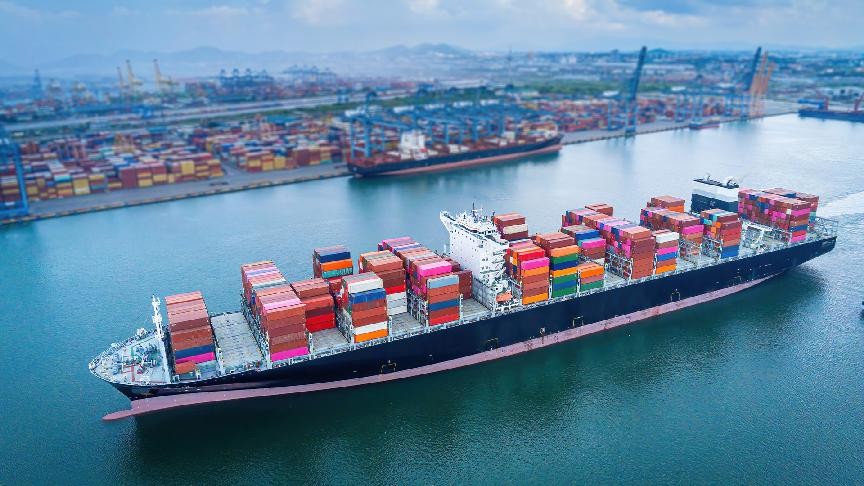
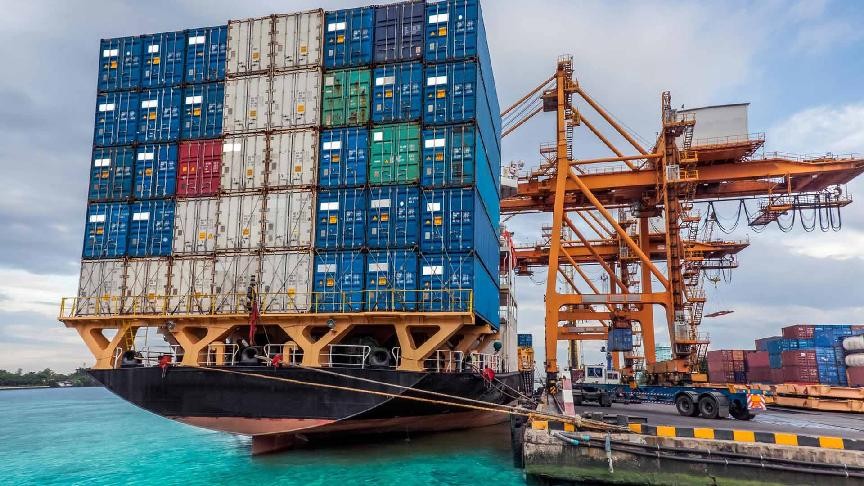
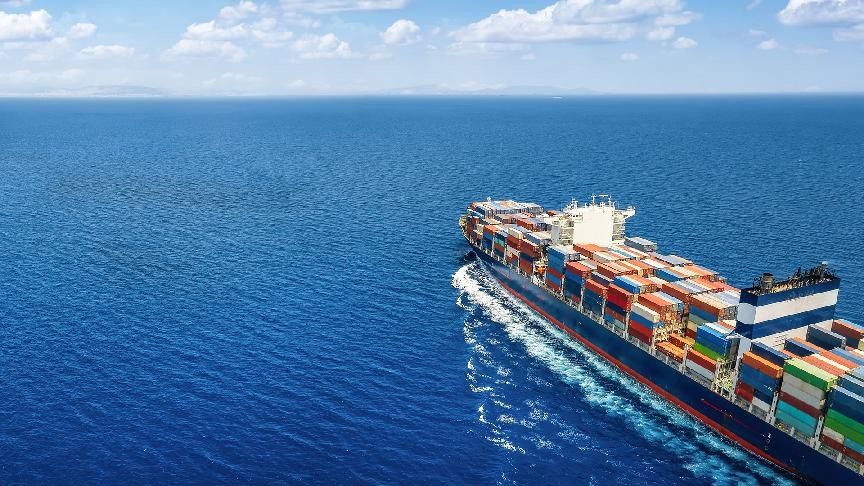
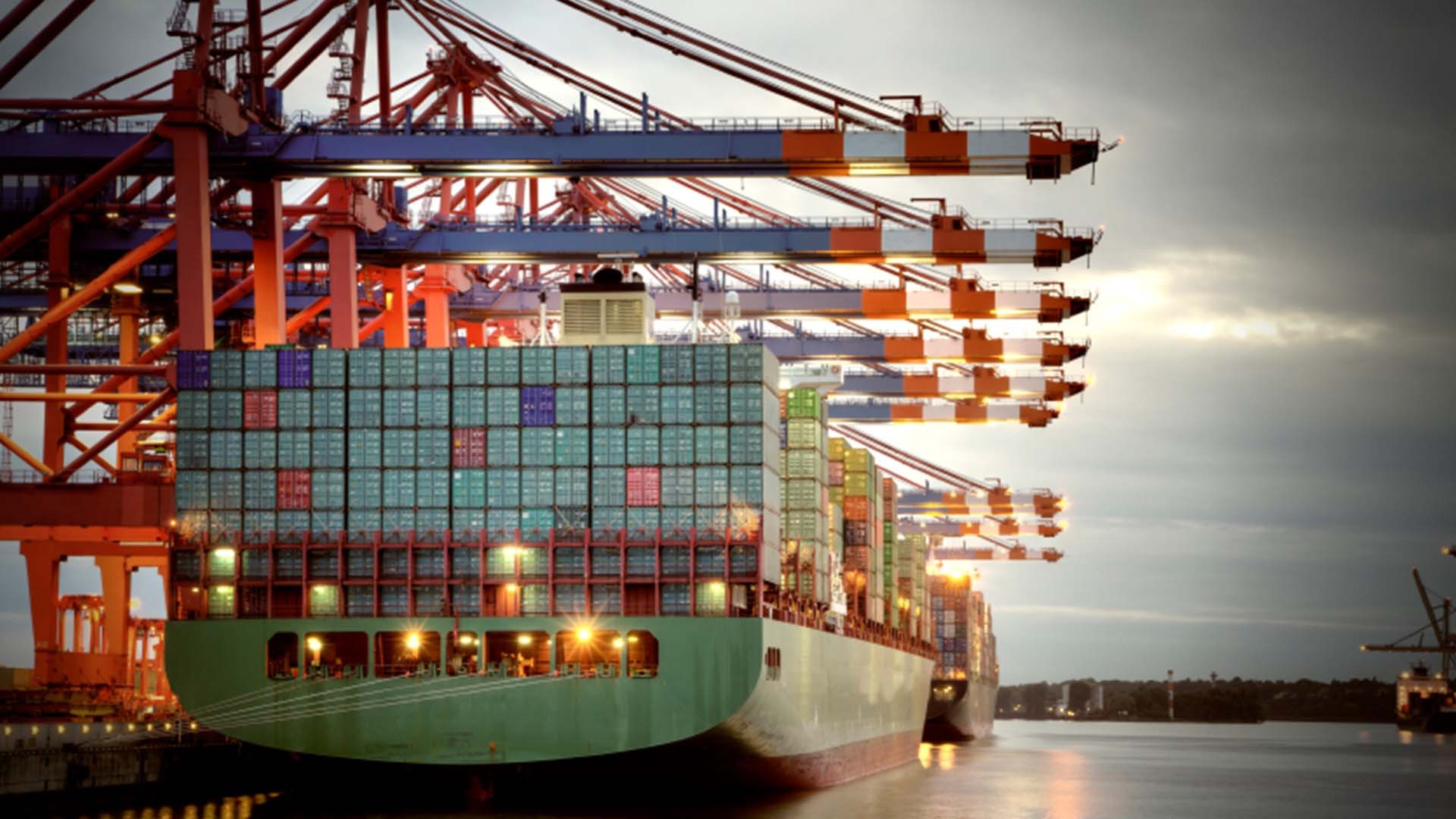
Container shipping accounted for 68% of all alternative fuel orders in 2025, with 58% of all new orders for LNG dual fuel, 36% pure conventional and 6% methanol.
The key driver here, Stefanatos said, was cargo owners’ willingness to pay green premiums.
“Being a bit philosophical and taking one step back, this is not the first energy transition we have faced in shipping. We had wind to coal, coal to steam, steam to oil,” he said.
The difference between those transitions and the one now, he said, is that each previous step meant more profit for shipowners, whether through cheaper fuel or longer operational windows.
Yet now, for the first time shipowners are weighing up whether to switch to a more expensive fuel or not.
Somebody has to pay for that expense, and that somebody is likely to be the cargo owner.
It’s why the container sector is so far ahead of its peers as far as alternative fuel newbuildings go: it has cargo owners willing to pay more to ship their goods.
The reason for this, Stefanatos suggested, is the closer proximity those owners have to the end user and public consciousness.
After all, the end consumers for shipments of coal or iron ore are significantly further down the supply chain than a shipment of designer trainers.
The other factor behind the containership domination of the alternative fuel orderbook is simply a healthier market situation, he said.
A bullish market over the past few years has left lines with a financial buffer to make investments to futureproof their fleets. It’s a luxury that bulker owners, with their razor thin margins, don’t have.
There has always been a question mark over whether bulk carriers will ever be able to transition to alternative fuels.
Its tramp shipping DNA means trade routes are less easy to predict than say a regular containership service (apart from a few select trades, for example Port Hedland to Qingdao). Add in some of the extremely remote ports bulkers find themselves calling, it becomes difficult to imagine methanol or ammonia bunkering infrastructure becoming widespread.
Methanol has a slight edge, Stefanatos added, because its bunkering infrastructure is cheaper and simpler than that of other fuels. Even so, he said, if only a handful of major ports adopted it, the effect would be substantial.
On carbon capture, Stefanatos said DNV studies show that equipping the world’s 20 largest ports with CO2 reception facilities would have a major impact. The same applies to e‑fuels, he added.
“You don’t need to upgrade the bunkers of the entire port network of the world in order to have a big impact. Having only Rotterdam and Singapore, or Rotterdam, Antwerp and other ports in the region, could make a big impact,” he said.