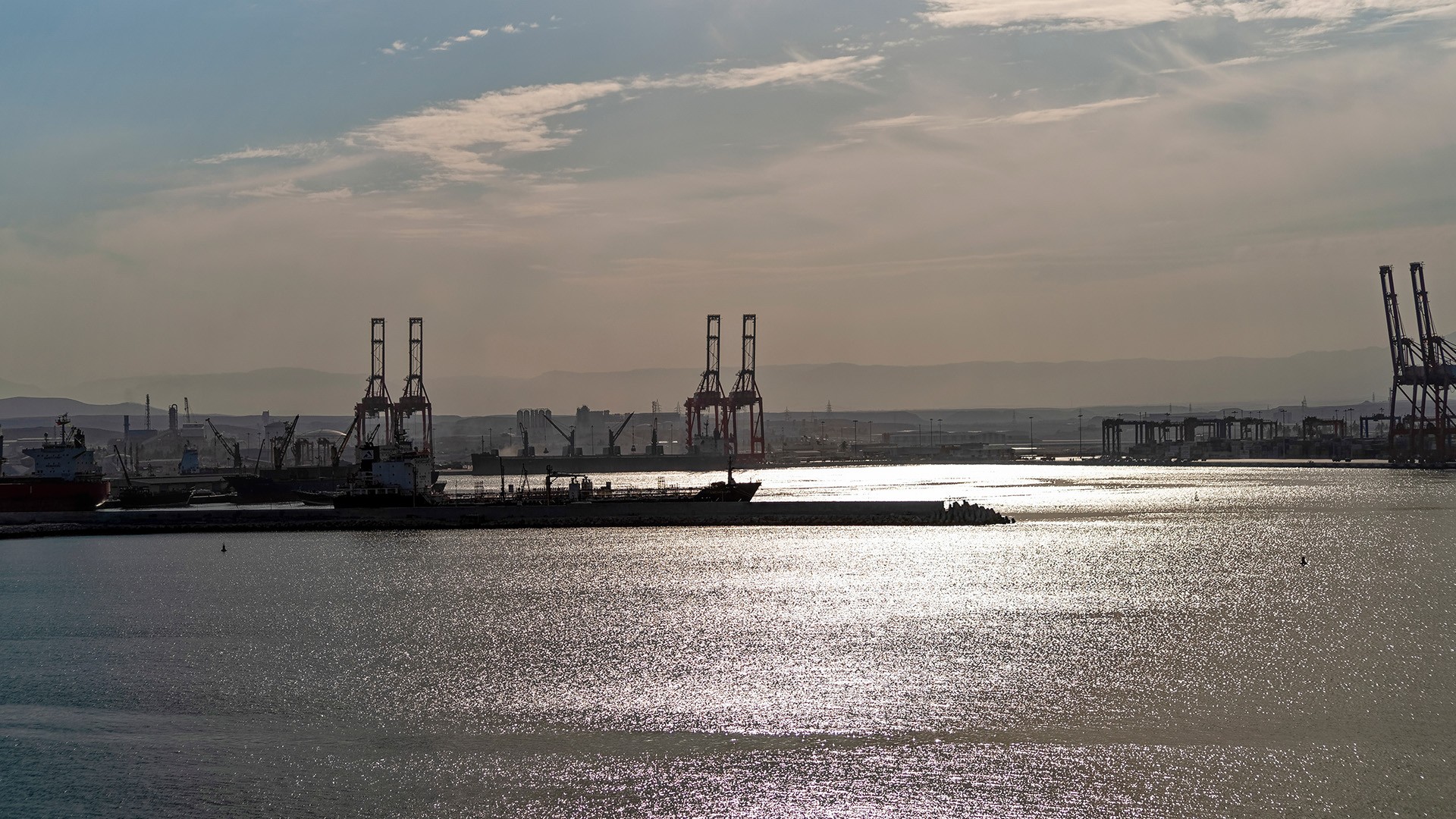

Drone activity at two of Oman’s principal maritime facilities has led to a series of operational suspensions on 3 March.
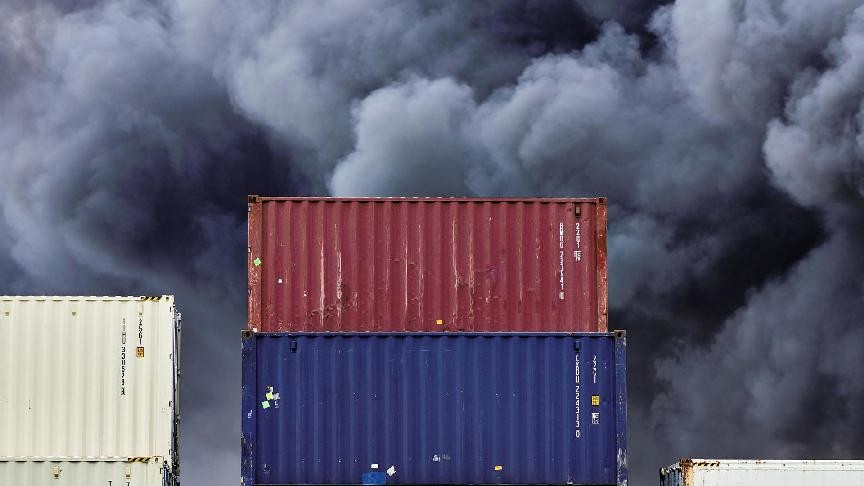
According to state media, two drones were intercepted, while another fell within the Port of Salalah. No injuries or damage were reported, although online footage has circulated showing a device descending close to a storage tank inside the port area.
A separate incident at the Port of Duqm involved several drones targeting fuel tanks. Oman News Agency stated that one tank was struck, with the resulting damage contained and no human casualties recorded.
Industry updates issued on the morning of 4 March noted that port operations across parts of Oman have resumed but remain disrupted.
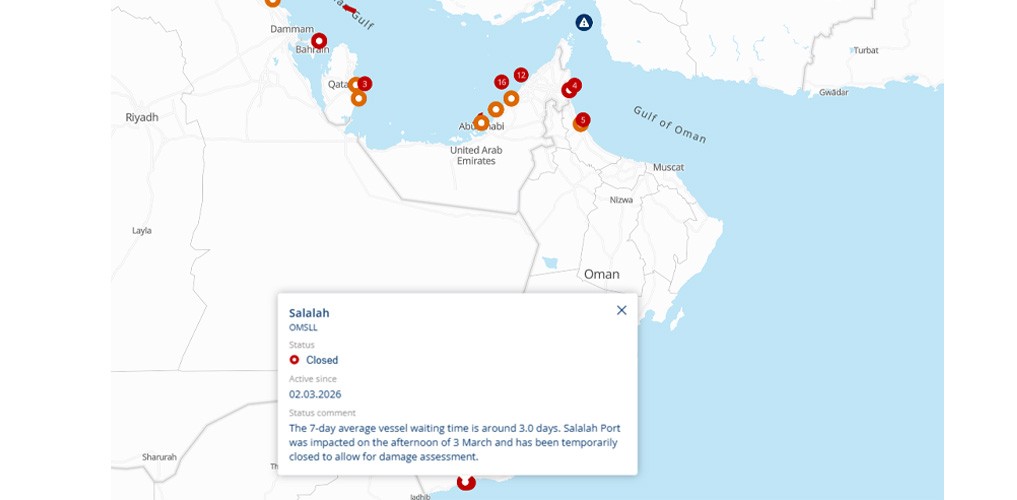
Activities at the Port of Duqm, Asyad Drydock Duqm, and the General Cargo Terminal at the Port of Salalah have also been suspended until further notice.
The disruption occurs as Salalah occupies a distinct operational position within the region. Its location on the Arabian Sea places it outside the areas currently affected by closures at the Strait of Hormuz and attacks in the Bab el‑Mandeb.
As a result, it is the only major transshipment hub in the western Indian Ocean that does not require vessel passage through either corridor.
Historical data highlights how Salalah has previously absorbed significant volatility. Its Liner Shipping Connectivity Index fell from 229 to 133 during late 2023 before recovering to 237 by the final quarter of 2025.
Over the same period, annual throughput rose from 3.2 million TEU in 2024 to 4.3 million TEU in 2025, and the World Bank’s Container Port Performance Index ranks the port fifth globally with a score of 1.78.
Other regional facilities do not provide comparable capacity or connectivity. Sohar handles under 1 million TEU annually and functions largely as a gateway port without mainline east–west calls, reflected in its LSCI score of 195.
Analysts commented that container carriers may seek offloading cargo bound to the Gulf in Salalah and Duqm as a temporary solution until Hormuz reopens. The recent drone attack and limitation at the ports could create further complications for carriers and increase strain on other nearby ports such as Khor Fakkan, Sohar and Colombo.