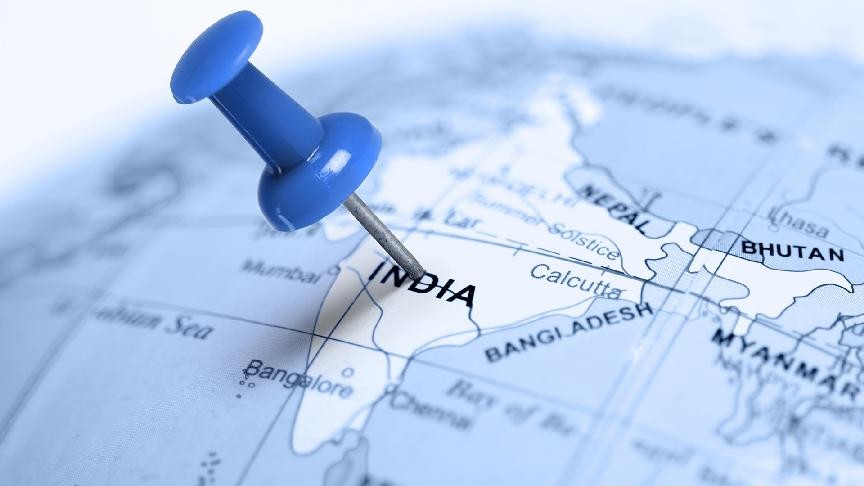

The EU and India recently concluded a trade set to deliver substantial economic benefits for both partners, primarily by lowering or eliminating tariffs across a wide range of goods and services.
For the EU, reduced Indian tariffs, covering 96.6% of EU goods exports, are expected to double exports by 2032 and save European companies around €4 billion annually in duties.
Key sectors such as automobiles, machinery, chemicals and agri-food will gain privileged access to the world’s most populous and fast-growing major economy, unlocking new commercial opportunities for firms of all sizes.
India, in turn, stands to benefit from strengthened access to the EU market and deeper integration into global value chains.
The agreement enhances opportunities for Indian exporters, including in textiles, gems, leather, processed foods and other competitive sectors, while also securing privileged access for Indian services providers in areas such as finance and maritime transport.
Beyond trade flows, the deal supports India’s long-term sustainable growth through cooperation on climate action and envisaged EU financial support for green industrial transformation, reinforcing economic resilience on both sides.
US and India implement significant tariff reductions
The United States and India announced on Monday, 2 February, that they had concluded a trade agreement following several months of negotiations.
The resolution brings an immediate shift in tariff policy, with Washington reducing duties on Indian goods to 18%, down from the 50% rate introduced in August of last year.
Further details regarding the implementation schedule for the revised tariffs have not yet been released. However, India confirmed that it will end its purchases of Russian oil as part of the arrangement.
The discussions had started months earlier but had been prolonged, occurring against a backdrop of reduced trade flows.
According to the Journal of Commerce, the deadlock had lowered India’s imports to the US East Coast by more than 30%.
In addition to cutting the primary tariff, the US will also remove a separate 25% punitive duty that had been linked to India’s previous oil-buying practices.
On India's side, officials noted that India has reduced tariffs on imported cars in response to US requests.
US President Donald Trump said the agreement includes a commitment by India to increase purchases of American products to more than $500 billion.
He listed energy, coal, technology, agricultural and other goods among the items involved, though he did not provide a timeline for the expansion.
Customers can check our global trade and tariffs page for updates on the overall development of the tariffs.