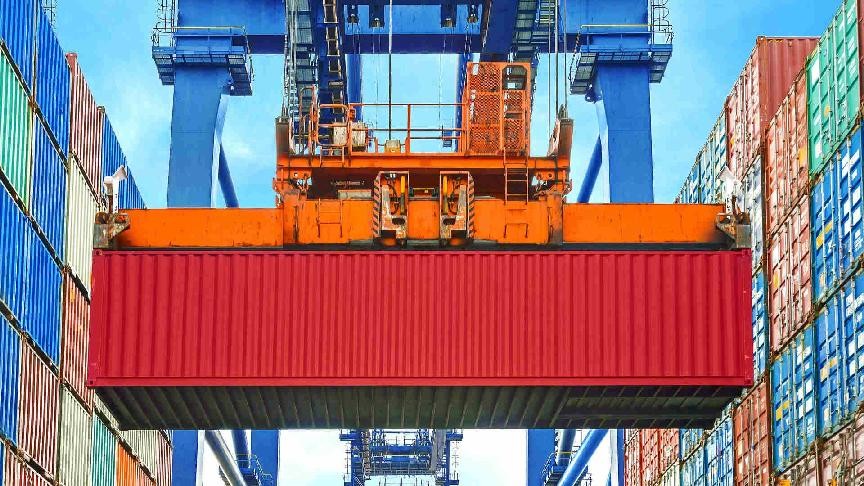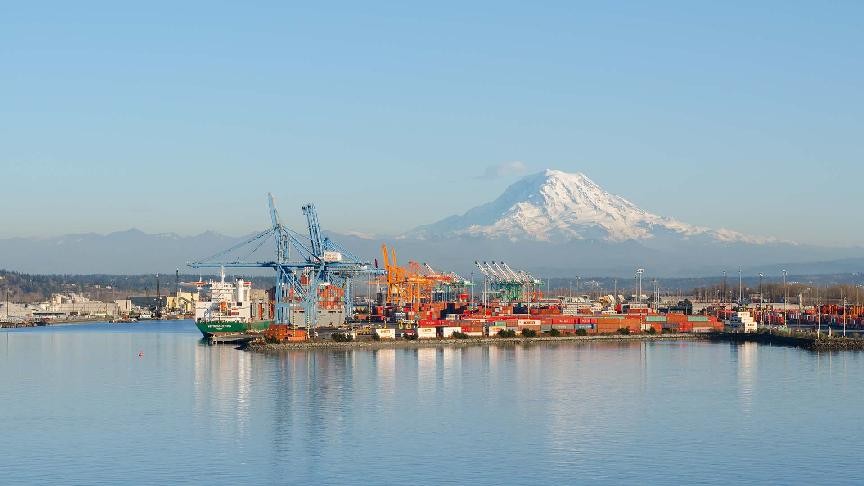

Lawmakers in Washington State are considering new legislation that would prohibit public funds from being used to acquire fully automated cargo‑handling machinery at the region’s ports.
The proposal has gained strong backing from longshore workers who argue that existing technology in Seattle and Tacoma has already reduced jobs on the waterfront.
The renewed measure builds on a 2021 law that set temporary limits on state support for automated equipment purchases. That earlier restriction expires in 2031, prompting state senator Jesse Salomon to introduce a bill without a sunset clause.
Salomon said the intention is to ensure that “humans still are valued for the work that they do, and we don’t fully automate.”
Representatives from the International Longshore and Warehouse Union (ILWU) told state senators that they support public investment in zero‑emission machinery but oppose directing taxpayer money toward fully automated systems.
Dan McKisson, president of the ILWU Washington Area District Council, said terminals do not require state funding for such equipment because many operators are “multi‑million international companies or controlled by private equity.”
Workers described how technology already installed at truck gates has changed staffing levels. Seattle and Tacoma have long used optical character readers and remote speaker boxes, replacing clerks who previously handled these tasks.
Kesa Sten, president of ILWU Local 52, said that “computerised auto gates” have reduced the number of clerks and created operational issues such as processing damaged containers. Sten noted that “one person can do the job of five,” which she characterised as efficient but also evidence of job erosion.
Under Senate Bill 5995, port districts would still be able to use public money for zero‑ and near‑zero‑emission equipment, provided people operate it. The restriction would apply to equipment defined as fully automated, meaning remotely operated or monitored systems.
The proposal also removes a previous time limit, making the funding prohibition permanent if enacted.
Port authorities in the Seattle‑Tacoma gateway have been investing in electrification projects, crane upgrades and shore‑power facilities. Should the bill become law, ports and grant administrators would need to determine which projects qualify for state support when automation features are involved.