SUPPLY concerns have re-emerged in Asian bunker markets as traders reel from tensions reigniting in the Strait of Hormuz that are limiting transits in and out of the Middle East Gulf.
The rise in attacks this week has raised concerns about supply availability. Bunker traders told Lloyd’s List that it has become “increasingly uncertain” whether supplies can make it out of the MEG, as they expect shipowners to adopt a heightened sense of caution.
Ship-to-ship transfers in the Gulf of Oman, a now commonly used mechanism that MEG producers to export oil products, could be challenged by recent events.
Tehran yesterday cautioned seafarers on board tankers near Bahrain and Kuwait to evacuate immediately as they could become targets of the Islamic Revolutionary Guard Corps.
Maritime security firm Vanguard has warned the maritime sector to take this threat seriously.
Kuwait is a key exporter of VLSFO globally. Exports from Kuwait have been muted since the conflict began.
Bunker price reporting agency Argus Media noted that Kuwait had loaded 645,000 barrels of VLSFO from its al Zour refinery on September 4, with buyers expecting Kuwait to offer cargoes from the end of August.
The cargo was loaded on product tanker Luckyride (IMO: 9358400). Lloyd’s List Intelligence vessel tracking data shows that it is currently headed to Singapore.
But resumption of attacks this week could deter future voyages. Arte Bunkering commercial manager Nikos Siakavras told Lloyd’s List that this week’s exchange of blows between Iran and the US has made bunker exports from the Gulf “uncertain”.
Asian bunker prices have not risen sharply despite this week’s events. Prices at Fujairah, Singapore and Zhoushan rose modestly, according to Baltic Exchange data.
Fujairah high sulphur fuel oil prices inched 2% higher between September 2 and 9, while very low sulphur fuel oil prices rose by 1%. Singapore HSFO prices also rose by 2%, while VLSFO prices rose by 1.7% in the same period.
Zhoushan saw bigger gains in HSFO prices with prices rising by 3.9% while VLSFO prices rose by 1.4% on the week, tracking the mark-ups at the other two ports.
The larger increase in Chinese prices was supported by increased restocking demand. One analyst told Lloyd’s List that higher crude oil prices drove restocking activity as traders looked to book cargoes before a sustained rise in crude oil futures bolstered fuel oil prices even further. This trend could continue if the Hormuz situation deteriorates in the near term.
Bunker analytics firm Engine reported that Typhoon Dolphin had caused supply tightness in China, with several ports only resuming bunkering operations at the end of August. But full-scale operations have yet to resume.
It also noted tight supply availability in Fujairah and Khor Fakkan as fuel oil imports have fallen sharply. Egypt’s Port Suez is also seeing “critically low” levels of bunker fuels. This could be a challenge for tankers lifting crude from Yanbu, given that they are rerouting through the Suez Canal to avoid potential attacks from Houthi militants if they cross the Bab el Mandeb Strait.
A Singapore-based trader told Lloyd’s List that supplies there have been surprisingly ample, with lead times of around four to five days required for VLSFO cargoes. He attributed the ample availability to more sales of Russian-origin cargoes in the region.
Sellers are looking to mitigate Iran-related sanctions risks after Shipoil’s Hong Kong and Dubai entities were sanctioned a few weeks ago for dealings with Iran.
“As Iranian cargoes are treated like hot potatoes now, and some suppliers are getting flagged and being watched closely, several suppliers have switched their tactics and are focusing more on the Russian cargoes,” another bunker trader told Lloyd’s List.
“This is a much safer option for now, at least.”
But this could have consequences in the long term as the EU is considering measures against bunker companies in its 22nd sanctions package, slated for release in October.
Ukrainian attacks on Russian refineries have also curbed availability of Russian bunkers.
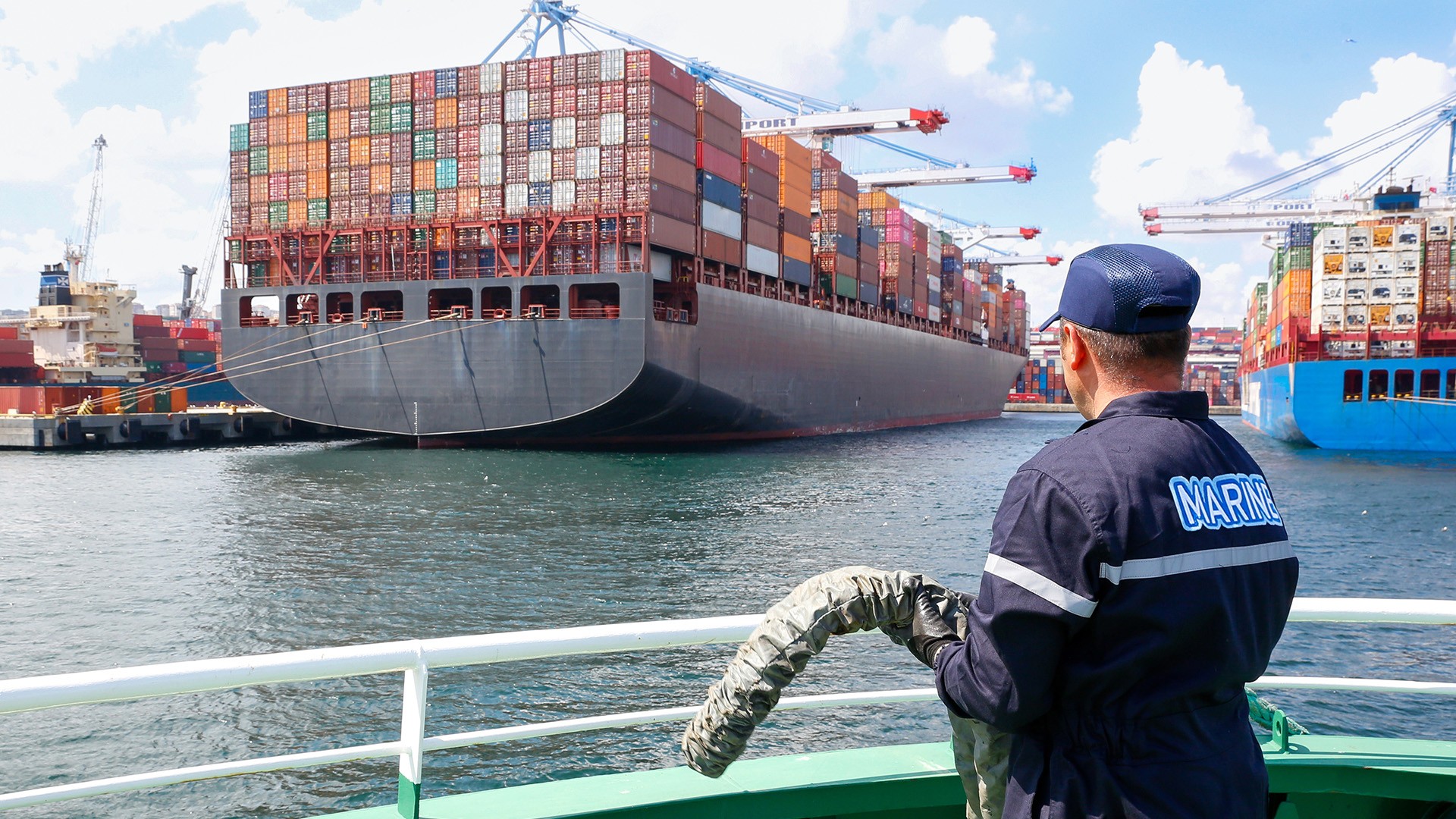
Escalating Middle East tensions raise supply anxieties in Asia bunker markets
Bunker market players are increasingly concerned about constrained supplies as more attacks continue, limiting Hormuz transits

Source: Lloyd's List

Related articles
Sea newsMalaysia outlines maritime ambitions amid port expansions and bunkering reforms

Sea newsCyber attack disrupts operations at Malaysia’s Port of Tanjung Pelepas
Sea newsAsia armed robberies decline but Hormuz turmoil raises regional risk
Sea newsPSA deepens Vietnam bet with Hai Phong terminal as port investment wave continues
Sea newsIndonesia says it has no plan to toll Malacca Strait
Sea newsBusan records all-time high in cargo handling driven by transhipment growth