
MALAYSIA is targeting a sharp increase in port throughput as it expands capacity and streamlines bunkering operations to support the transition to alternative marine fuels.
Transport Minister Anthony Loke on Tuesday said that the government is targeting 100m teu of national port handling capacity by 2035, supported by major port expansion projects across the country.
Loke is looking to build on the achievements of Malaysia’s two largest container hubs in the Lloyd’s List Top 100 Ports 2026 rankings.
Port Klang retained its position as the world's 10th largest container port in 2025, handling 15.1m teu, while the Port of Johor ranked 11th with 15.1m teu — driven by higher throughput at the Port of Tanjung Pelepas.
“We have number 10 and number 11. It is our aspiration to see two Malaysian ports in the world’s top 10,” Loke said.
Malaysia plans to increase capacity through an expansion at Westports, the proposed Carey Island development at Port Klang, further expansion at PTP, and upgrades at Kemaman Port.
Bunker reforms and alternative fuels
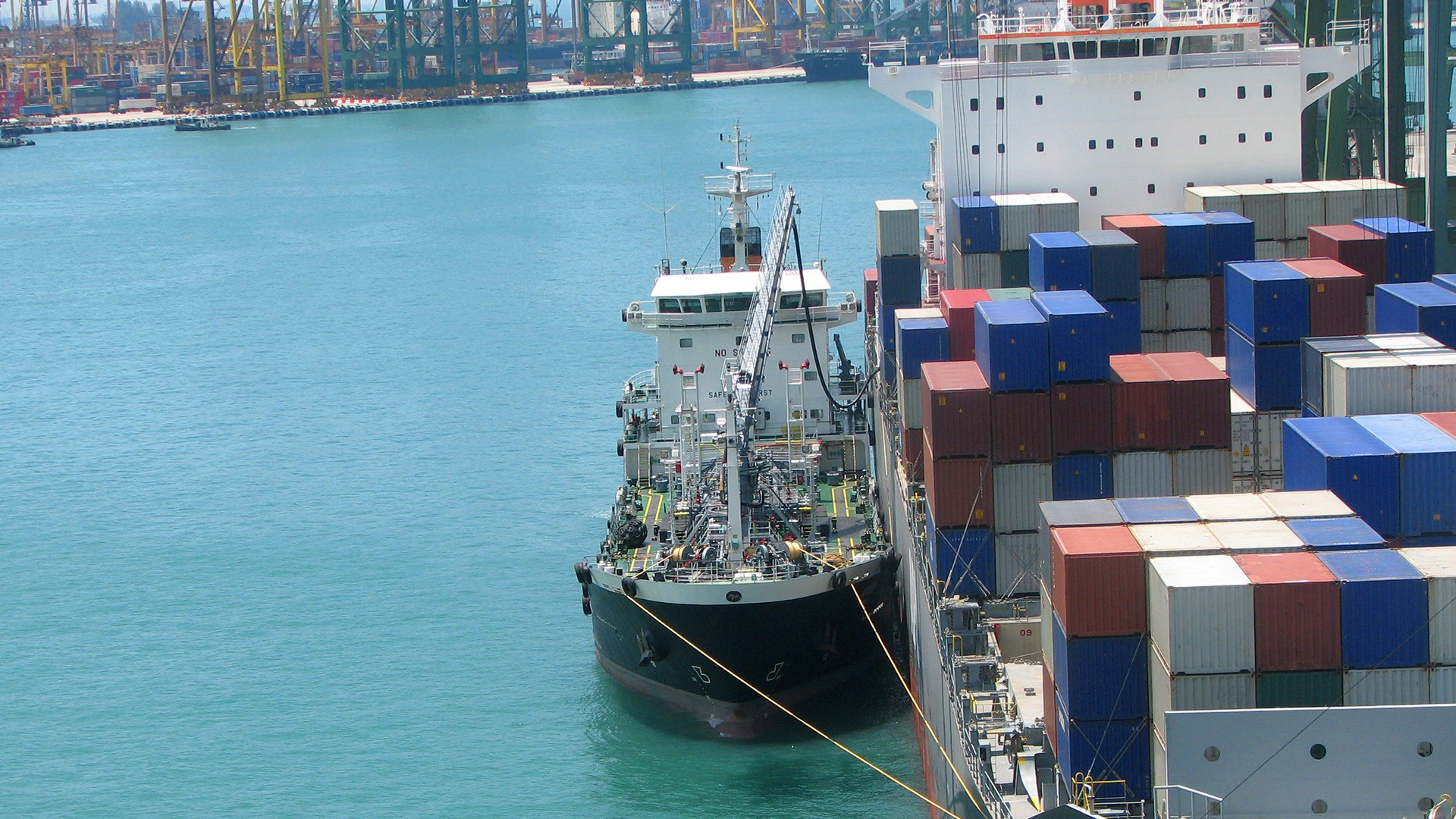
To encourage more bunkering at Malaysian ports, the government will be consolidating bunker licensing approvals under the Ministry of Transport from February 2027, ending a process that currently requires approvals from multiple agencies.
Under the new framework, bunker operators will submit applications through a single government authority, reducing regulatory complexity, which Loke described as a long-standing industry concern.
“When we talk about bunkering, one of the key challenges has been red tape, where a simple permit requires approval from multiple agencies and ministries,” he said.
The reform forms part of Malaysia’s goal to become a key Asia Pacific bunkering hub by 2030, leveraging its location along the Strait of Malacca and planned port infrastructure developments.
The government also launched a Green Bunkering Regulatory Roadmap on Tuesday, developed with support from Australia’s Partnerships for Infrastructure programme.
The roadmap will establish the regulatory and policy framework for alternative marine fuels including liquified natural gas, biofuels and methanol.
Malaysia has been positioning itself in the alternative-fuels market since 2024, when PTP conducted LNG and methanol bunkering trials, while Port Klang carried out its first biofuel bunkering.
PTP is also exploring a green shipping corridor with Australia’s port of Melbourne.
Loke said Malaysia’s maritime strategy was being pursued against a backdrop of increasing supply-chain disruption, geopolitical tensions and growing pressure on global trade routes.
“Even amid a fractured landscape, Malaysia’s commitment to regional stability and forward-looking governance will keep global trade moving securely and sustainably,” he said.
The minister also reiterated support for the Malaysia Shipping Development Fund, which is intended to expand domestic shipping capacity and reduce dependence on foreign-controlled tonnage.