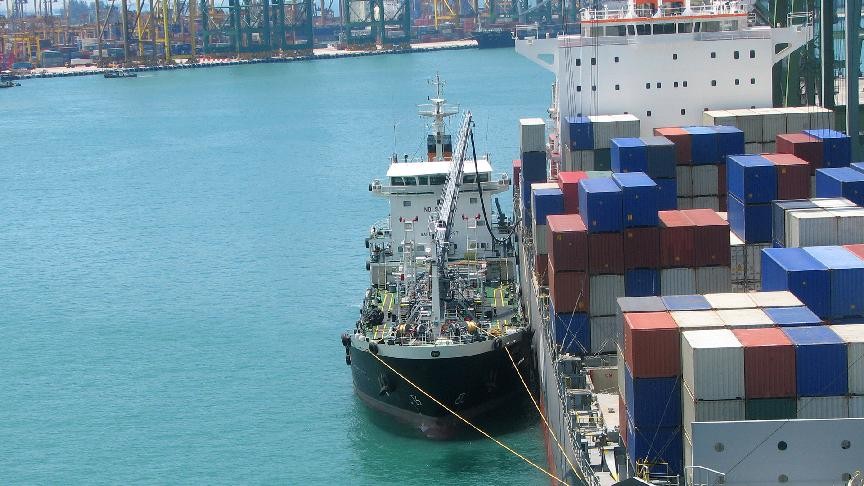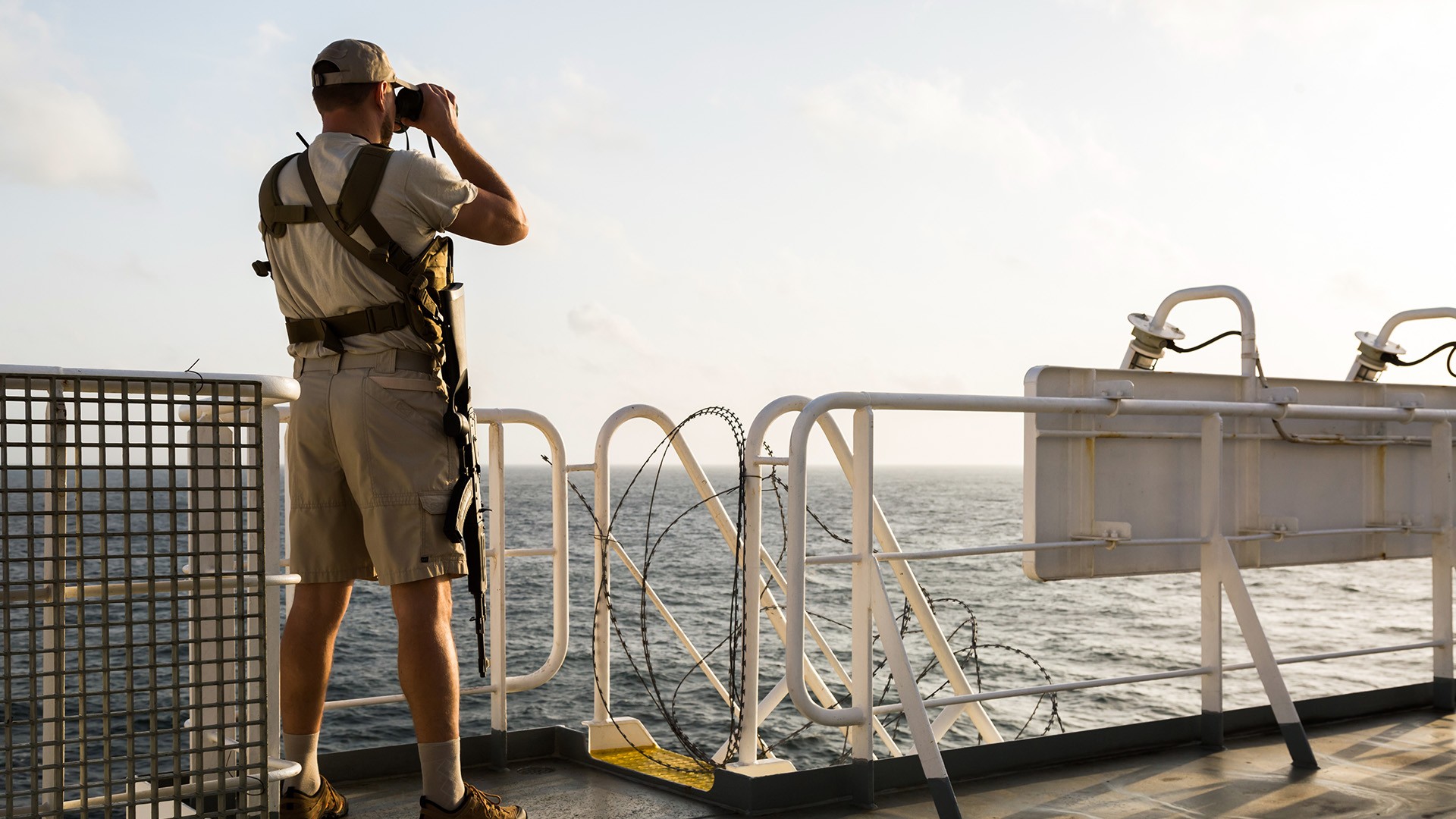

INCIDENTS of armed robbery against ships in Asia have declined sharply on the year as regional efforts to deter attempts have proven effective. But risks lie ahead amid a prolonged Hormuz crisis.
The Regional Cooperation Agreement on Combating Piracy and Armed Robbery against Ships in Asia (ReCAAP) reported that ARAS incidents in Asia have fallen by 65% in the first half of the year when compared to the same period last year.
No incidents of piracy were reported, compared to two cases recorded from the whole of last year.
A total of 35 ARAS incidents were reported, of which, all were actual incidents and none were attempted incidents. Ships were either anchored or berthed in 14 of the reported incidents while the remaining 21 incidents were attacks on vessels in transit.
No category one (CAT 1) incidents, the highest category by significance, were reported. There were four CAT 2 incidents, 13 CAT 3 and 18 CAT 4.
Bulk carriers were top targets for ARAS incidents as the lower transiting speeds make them more susceptible to robberies.
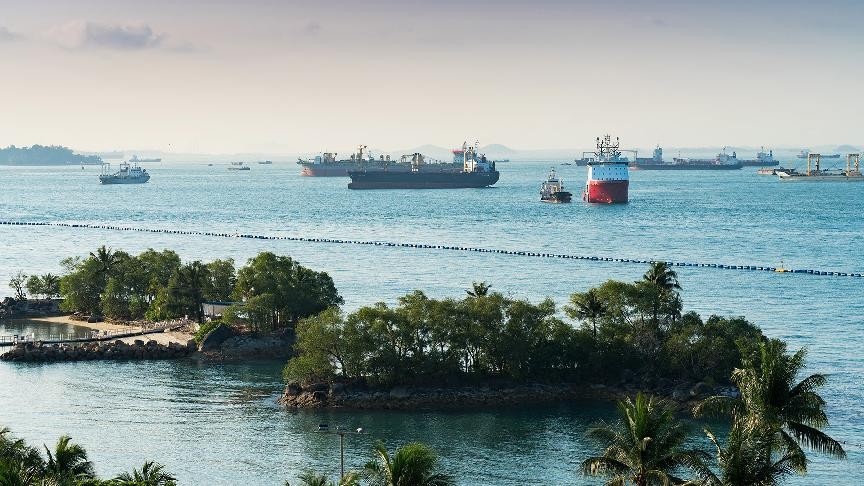
The biggest decline was seen in the Straits of Malacca and Singapore, where ARAS incidents fell from 80 last year to just 21 in the first half of this year. But it remains the hottest spot for ARAS incidents in Asia, as 60% of the total number of incidents took place there.
Twenty out of the 21 attacks took place in the east bound lane of the straits, near the southern lanes closer to Indonesia. Bulk carriers made up the majority of the ships that were attacked at 62%, followed by tugboats and barges at 20% and tankers at 9%.
ReCAAP executive director Vijay Chafekar attributed the sharp decline in SOMS and the wider Asian region to heightened efforts by law enforcement agencies and ship masters to deter incidents in the region.
“After the spike in the first half of last year, there was action by the Indonesian marine police and subsequent number of incidents came down.”
The incidents in Asia in the first half of the year were starkly different from recent spates of piracy in the Red Sea, the Somalian coast and the incident in the Indian Ocean in April.
Incidents in Asia consisted of robberies with no detection, while the other incidents were either forced boardings or situations where weapons were fired, raising the level of danger.
Because of this, Chafekar is optimistic that the number of incidents can decline further.
“Since their modus operandi is to steal things without being detected, if the data gives adequate inputs to the shipping industry about when and where they can expect such attacks, they are completely preventable.”
To that end, ReCAAP held briefings with the wider shipping industry in Singapore to discuss better prevention strategies.
Hormuz-related risks ahead
While incidents of piracy have been virtually absent and incidents of ARAS have been on a sharp decline, ReCAAP warned that the Hormuz crisis could raise the risk level for more ARAS incidents in Asia.
Outside of ReCAAP's Asia jurisdiction, Chafekar sees the western Indian Ocean being particularly sensitive due to the increased activity by Somali pirates.
“There have been series of cases where onboard security personnel have to return fire to prevent incidents on board ships, and there have been series of attacks, and some of them successful.”
With the maritime world’s attention divided as the Hormuz conflict takes hold of most in the industry, Chafekar sees Somali pirates capturing this opportunity to launch more attacks.
But in Asia, the danger lies with overcrowding at anchorages. The Hormuz crisis would have resulted in ships being stalled at Asian ports as ship masters await orders on where to proceed in the likely event that ships are diverted to avoid the conflict in the Middle East.
There has yet to be any notable rise in incidents because of the crisis in the first half of the year.
But Chafekar sees this potentially creating opportunities for incidents to occur. He feels that the onus is on port authorities, law enforcement and shipowners to prevent such opportunities from happening.
“Ships can ensure that that opportunity is removed by simply having lookouts or having your deck illuminated by night in passing through high risk or vulnerable areas,” he said, in addition to having necessary security features like closed circuit television cameras on board.
The director contrasted the low incident rates at Singapore anchorages with those at neighbouring anchorages to highlight the effectiveness of having proactive law enforcement at ports and anchorages.