
Months of restricted transit through one of the key waterways in the world are guaranteed to leave a definite impact on shipping. The closure of the Strait of Hormuz has proved this to be true.
A recent study by data analysis firm Sea Intelligence has shown a notable imbalance in global trade.
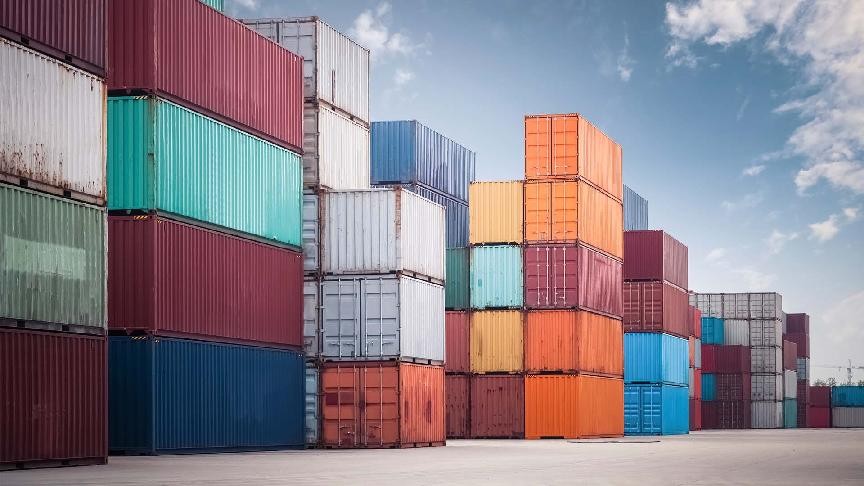
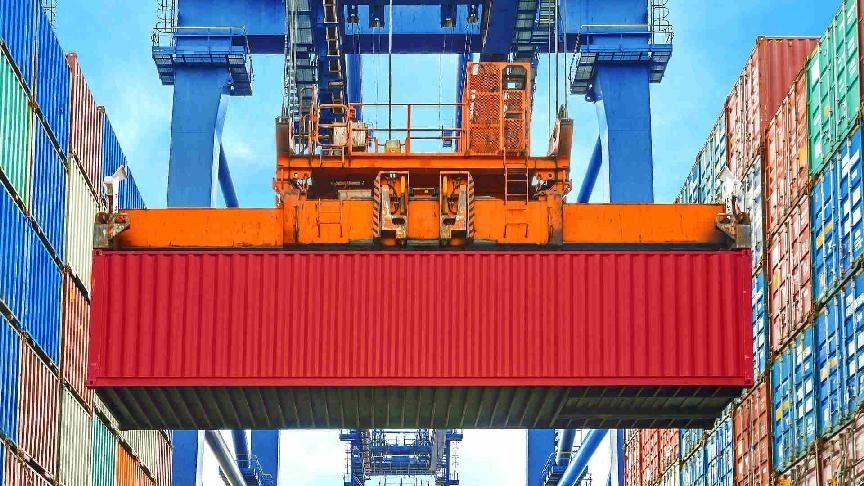
1 of 3 containers shipped today is empty, indicating that the imbalance between exports and imports requires continuous repositioning of empty containers. This highlights growing inefficiencies in global container logistics.
Additionally, the Strait’s restricted activity reduced the return flow of empty boxes to Asia and other export markets.
Carriers with ships stranded in the Gulf are experiencing a shortage of empty containers, prompting some shipping companies, particularly in Asia, to lease empty containers.
Trade imbalances increase vessel requirements
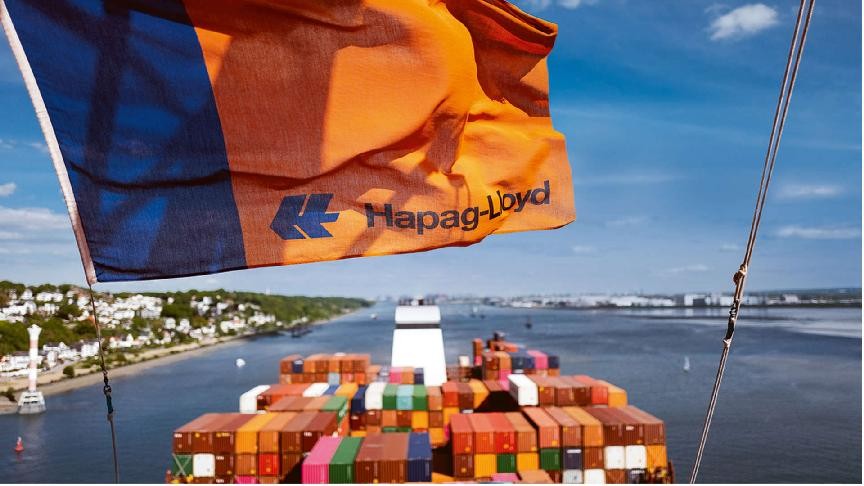
According to ShippingWatch, Hapag-Lloyd CEO Rolf Habben Jansen pointed to another widening global trade imbalance, with cargo flows from Asia to the US and Europe significantly higher than volumes moving in the opposite direction.
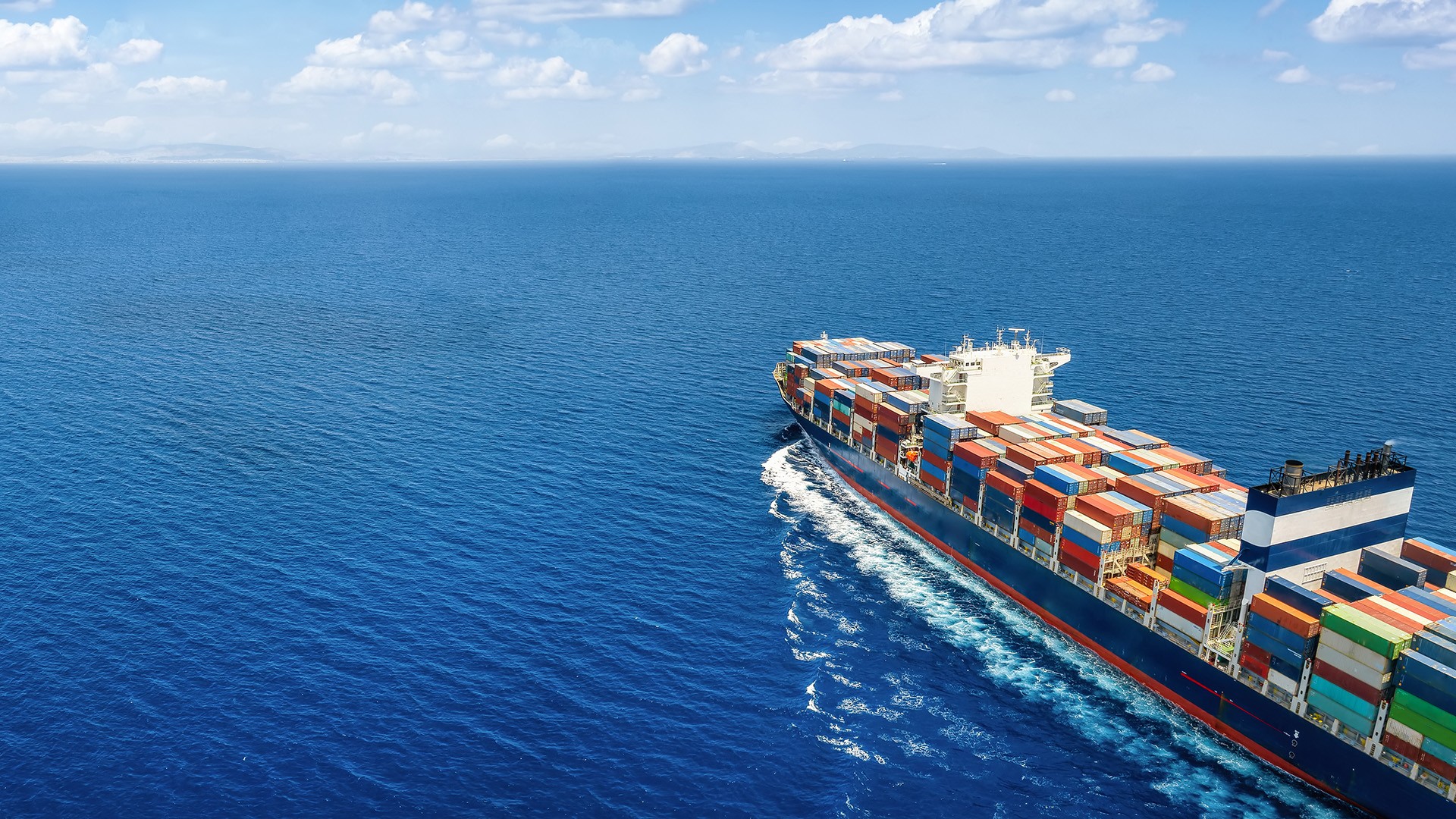
For Habben Jansen, this will require carriers to deploy more vessels on main routes.
He mentioned that main-route growth, which influences ship requirements, is projected at 10% in 2024, 8% in 2025, and 4.5% in 2026.
He noted that despite more vessels joining the fleet over the past three years and a significant order backlog, the supply and demand balance remains relatively steady.
"Yes, a fairly large number of new ships are scheduled for delivery next year, but if we end up with growth in demand this year that exceeds the growth in supply, then next year may be less difficult than many have expected,” Habben Jansen said.
Next year may be less difficult than many have expected
Hapag-Lloyd CEO
Similarly, MSC expects the container freight market to remain strong over the next two quarters, mainly supported by higher demand across the Pacific, bottlenecks, and limited terminal and port capacity that are taking ship capacity out of the market.
For the fourth quarter, however, MSC identified uncertainty over the duration of rising demand and highlighted Golden Week developments as a key factor.
Overall, industry experts remain cautious about near-term overcapacity risks, noting that current market conditions continue to support vessel demand.
The persistence of global trade imbalances is not only driving a structural increase in empty container repositioning but also placing additional pressure on available vessel capacity.
As more ships are required to sustain network flows, while a growing share of capacity is effectively absorbed by inefficiencies such as empty repositioning and disrupted routings, the industry faces a structurally tighter supply-demand balance than fleet growth alone would suggest.