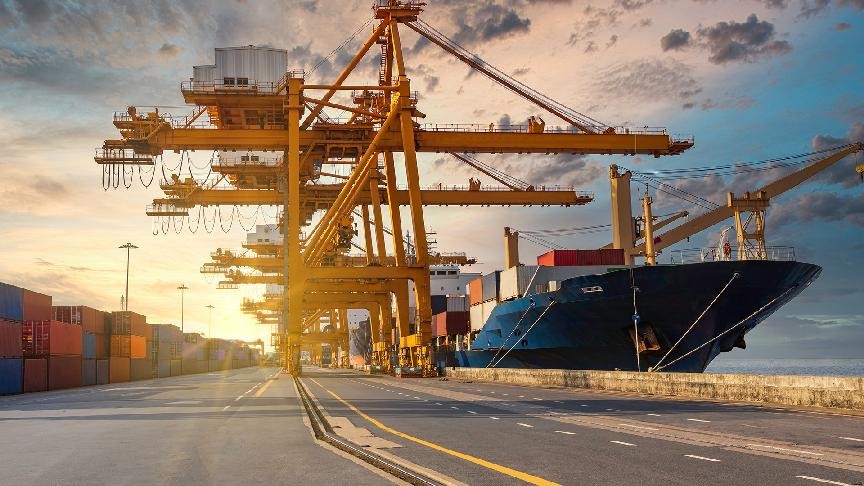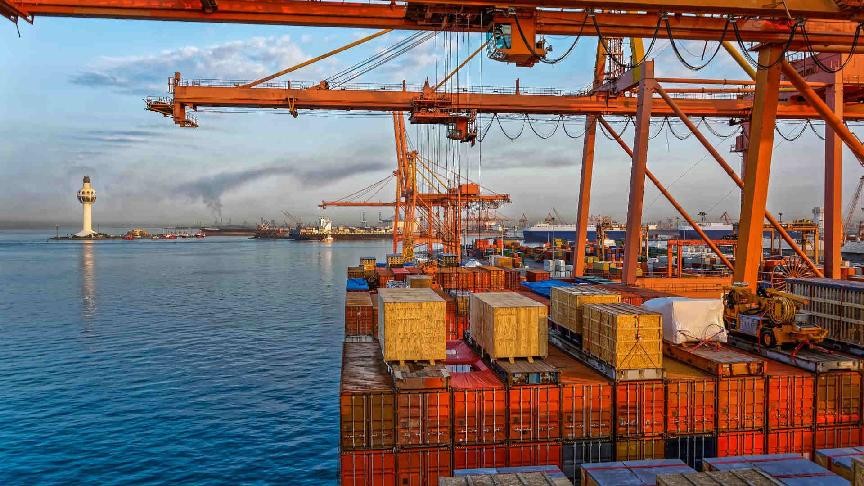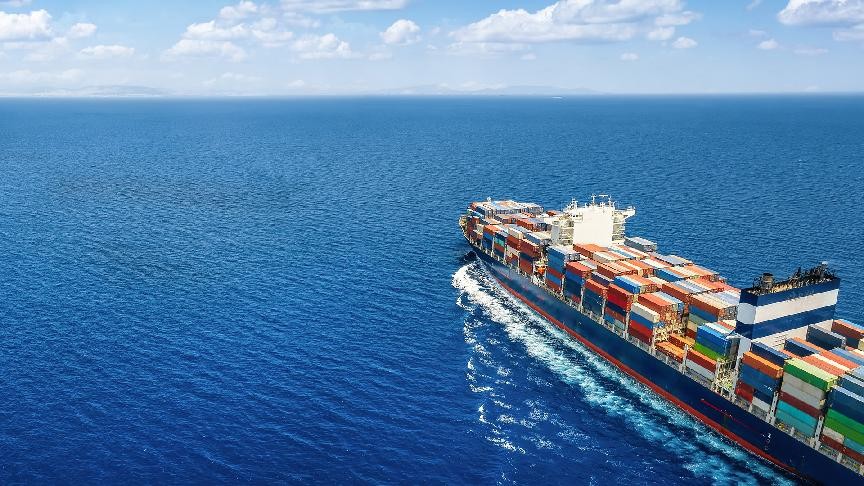

While container carriers wait for a lasting solution to the closure of the Hormuz Strait, those affected have set up contingency measures to keep stranded tonnage operating for as long as this remains feasible.
Being among the carriers with the largest number of container ships stuck inside Hormuz, CMA CGM and MSC are among those to put such plans in place.
A recent report by the Journal of Commerce highlights data showing that the liners have reassigned part of this capacity to short-haul shuttle activity.
Sources mention that CMA CGM has temporarily placed five ships into feeder and shuttle loops between ports north of the strait. These include Doha, Jebel Ali, Dammam, and ports in Kuwait and Bahrain.
MSC is also using some of its ships that cannot exit Hormuz on regional shuttle deployments, according to the same sources.
South of the strait, Khor Al-Fakkan and Fujairah in the United Arab Emirates, alongside Sohar in Oman, are described as key alternative ports for services linked to Persian Gulf trades.
Khor Al-Fakkan is reported to be facing heavy congestion, with waiting times reaching about a week in most cases, except for calls that only discharge United Arab Emirates cargo.
Operational updates, however, do not indicate major blockage issues or cargo evacuation delays at Fujairah and Sohar.
Diversions continue to surge
According to a recent report by P44, diversions remain high weeks after the start of the US-Iran conflict, as congestion builds at downstream ports. The report mentions recent data indicating continued escalation rather than stabilisation.
The week preceding 10 April, P44 recorded 9,317 diversions, following an even higher total of 9,655 in the previous week, marking the highest diversion levels observed so far.
Data further shows that the United Arab Emirates has remained the primary destination for diverted freight, accounting for 42% of all diversions during the first weeks of this month.
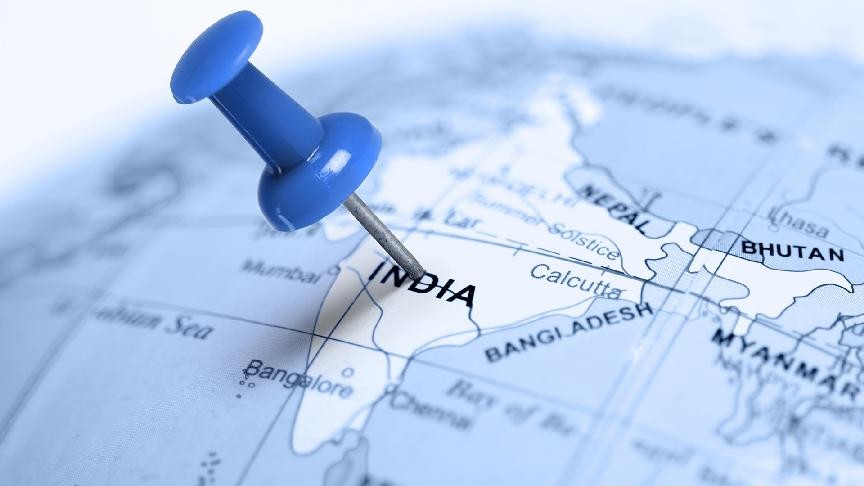
As the strait itself remains closed, diversions and their knock-on effects continue to increase. Ports in India, particularly Nhava Sheva Port, have emerged as the most significant pressure point within the network.
Transhipment volumes at the port are reported to be more than 1,300% above pre-conflict levels, while import dwell times have nearly doubled. The scale and pace of change at the port reflect broader shifts in network behaviour.
Overall conditions across global trade remain under substantial strain. Although attempts at a ceasefire have been declared, operating patterns have not reverted. Volatility remains elevated, with congestion at transhipment ports continuing to intensify.